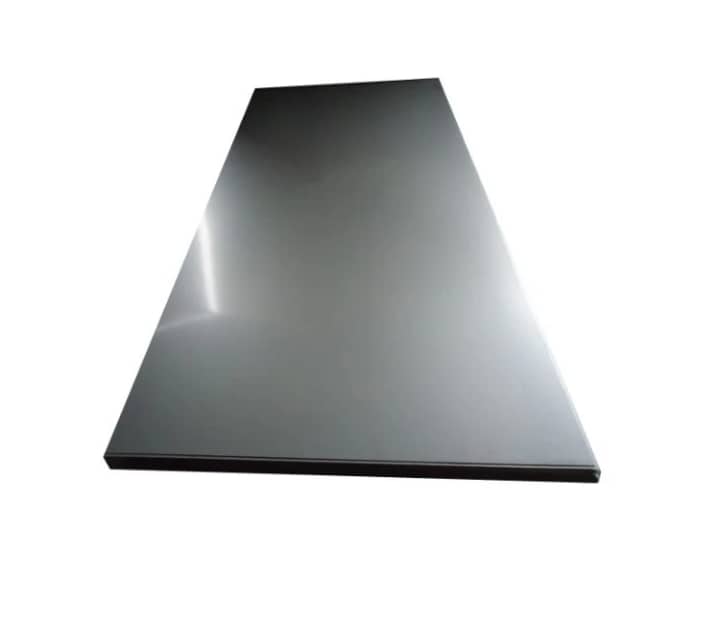
6061 Aluminium Plates – Client Supply Project Overview
This project involved the supply of high-quality 6061 Aluminium Plates for structural fabrication, precision machining, and load-bearing engineering applications across multiple industrial locations in India. The plates were manufactured using controlled rolling processes followed by solution heat treatment and artificial aging to achieve consistent mechanical strength, excellent flatness, and reliable surface finish. The use of Aluminium Alloy 6061, known for its balanced strength-to-weight ratio and corrosion resistance, ensured dependable performance in both indoor and outdoor service conditions. All supplied plates conformed to applicable ASTM, AMS, EN, and ISO standards, ensuring material consistency, traceability, and compliance with engineering specifications.
Each batch of 6061 Aluminium Plates underwent rigorous quality assurance procedures, including thickness tolerance checks, flatness inspection, surface quality verification, and mechanical property testing, to meet project-specific technical and application requirements. The project was executed within the committed delivery schedule and supported the client’s need for durable, lightweight, and low-maintenance aluminium solutions capable of performing under mechanical stress, vibration, moderate thermal exposure, and continuous service conditions across diverse industrial environments.
6061 Aluminium Plates – Project Supply Details
Product Supplied | Quantity | Cities (India) |
|---|---|---|
| 6061 Aluminium Plates for Structural Fabrication | 160 Plates | Mumbai |
| 6061 Aluminium Precision Plates for Machining | 210 Plates | Hyderabad |
| High-Strength 6061 Aluminium Plates for Engineering Use | 190 Plates | Pune |
| 6061 Aluminium Plates for Industrial & Utility Applications | 240 Plates | Chennai |
6061 Aluminium Plates are widely chosen for applications requiring consistent mechanical performance, good corrosion resistance, and excellent machinability. From a B2B engineering and procurement perspective, access to clear data on plate size, thickness, temper condition, and weight per plate supports informed material selection and ensures alignment with real-world fabrication and operating requirements rather than generic material descriptions.