Lightning Arrester Weight Chart Based On Model, Height, And Material
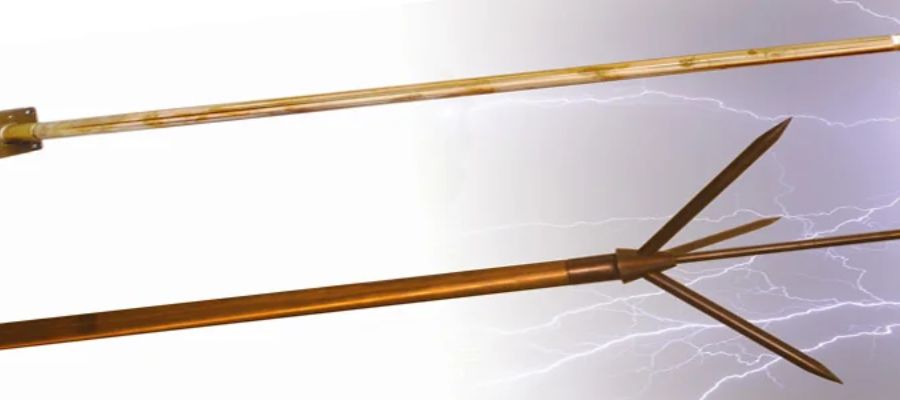
Lightning Arrester
Lightning arresters are designed to protect structures from direct lightning strikes, and their physical parameters play a crucial role in installation planning and structural safety. From an engineering standpoint, weight is a key consideration as it affects mounting stability, wind-load resistance, and rooftop or tower load calculations. A qualified Lightning Arrester manufacturers provides standardized weight data so that designers can select appropriate models based on height, construction material, and installation environment without compromising structural integrity.
The Lightning Arrester weight chart pdf is commonly used during project design, tender evaluation, and site execution to verify arrester dimensions and mass. Weight varies significantly depending on whether the arrester is conventional or an advanced ESE Lightning Arrester, as ESE models include internal triggering mechanisms and enhanced emission components. Height and material selection—such as GI, copper, or stainless steel—also directly influence the total weight, making tabulated references essential for accurate system planning.
Precise interpretation of lightning arrester weight charts ensures correct handling, secure mounting, and long-term reliability of the lightning protection system. Manufacturers publish detailed tables covering model-wise weight, material-based variation, and installation load references to reduce mechanical stress during extreme weather conditions. The following tables provide a consolidated technical reference focused purely on weight, height, and material parameters.
Table 1: Lightning Arrester Weight Chart by Model Type
Arrester Type | Height (mm) | Material | Approx. Weight (kg) |
Conventional Lightning Arrester | 500 | GI | 3.5 |
Conventional Lightning Arrester | 750 | Copper | 5.2 |
ESE Lightning Arrester | 600 | Stainless Steel | 6.8 |
ESE Lightning Arrester | 800 | Stainless Steel | 9.5 |
ESE Lightning Arrester | 1000 | Stainless Steel | 12.0 |
Explanation: This table compares the weight of conventional and ESE lightning arresters based on height and construction material.
Table 2: ESE Lightning Arrester Model-wise Weight Data
ESE Model | Protection Radius (m) | Height (mm) | Approx. Weight (kg) |
ESE-30 | 30 | 600 | 6.5 |
ESE-45 | 45 | 700 | 8.0 |
ESE-60 | 60 | 800 | 9.5 |
ESE-75 | 75 | 900 | 11.0 |
Explanation: This table shows how weight increases with protection radius and height in ESE lightning arrester designs.
Table 3: Material-wise Lightning Arrester Weight Comparison
Material | Typical Height Range (mm) | Weight Range (kg) |
Galvanized Iron (GI) | 500 – 750 | 3.0 – 5.0 |
Copper | 600 – 800 | 4.5 – 7.0 |
Stainless Steel | 600 – 1000 | 6.5 – 12.0 |
Explanation: This table highlights the impact of construction material on overall lightning arrester weight.
Table 4: Installation Structure vs Recommended Weight
Installation Location | Recommended Arrester Weight (kg) |
Residential Rooftops | Up to 6 |
Commercial Buildings | 6 – 9 |
Industrial Facilities | 9 – 12 |
Towers & Substations | Above 12 |
Explanation: This table correlates lightning arrester weight with typical installation structures and load limits.
Table 5: Packaging and Handling Weight Reference
Component | Approx. Weight (kg) |
Lightning Arrester Body | 6 – 12 |
Mounting Base & Mast | 1 – 2 |
Fasteners & Accessories | 0.5 – 1 |
Total Packed Weight | 8 – 15 |