Nuts
Minimum Order : 0 piece
Customization as per requirements
Nuts – Specification
| Size | M2 to M100 |
|---|---|
| Type | Bolt, Nut, Screw, Washer, Rivet, Threaded Rod, Studs, Coated, Nails, Custom Fasteners |
| Standard | Din, Iso, Jis, Gb, Is, Bs, Astm |
| Length | 3 to 6 m |
| Material | Stainless Steel, Monel, Inconel, Incoloy, Hastelloy, Nickel, Silicon Bronze, Phosphor Bronze |
Nuts
Type of Sub-products

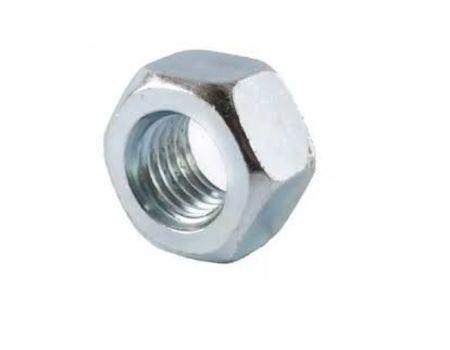
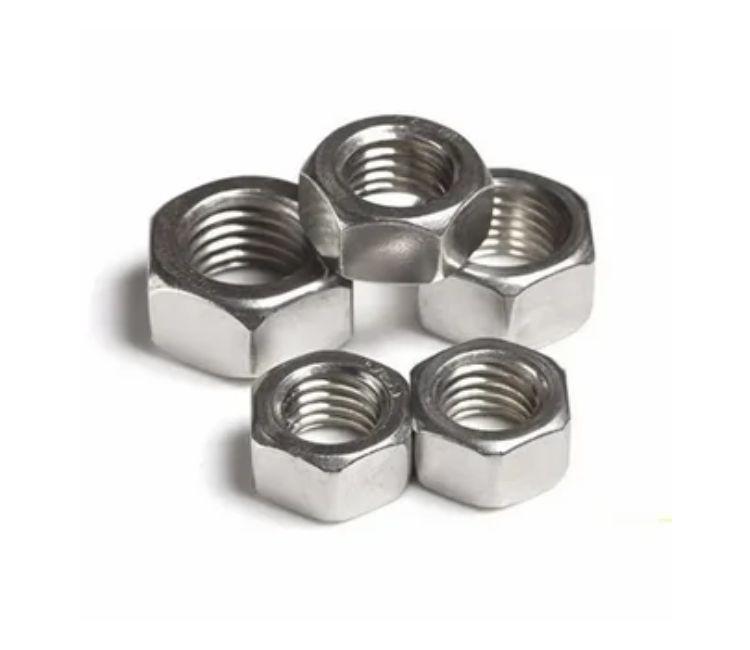
Hex Nuts Hex Nuts
Hex nuts are six sided nuts that are the most commonly used in industrial and construction applications. They provide excellent gripping and load distribution when paired with bolts. Available in stainless steel, carbon steel, and alloy steel, they are suitable for machinery, automotive, and structural applications.

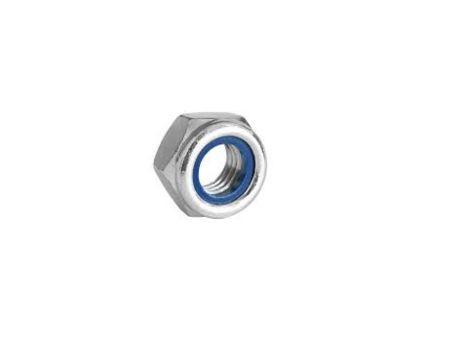
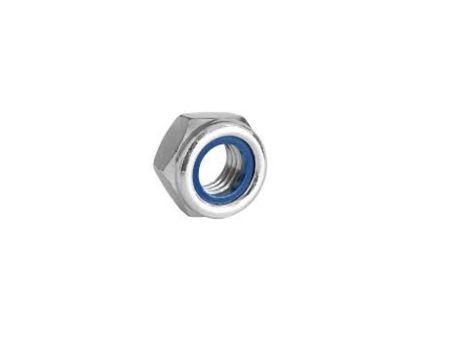
Lock Nuts Lock Nuts
Lock nuts are designed to resist loosening under vibration and dynamic loads. They can have nylon inserts (nyloc nuts), distorted threads, or double nut designs. Lock nuts are widely used in automotive, heavy machinery, and industrial equipment where secure fastening is critical.

Wing Nuts Wing Nuts
Wing nuts feature “winged” projections that allow for manual tightening and loosening without tools. They are ideal for projects that require frequent adjustments, such as clamps, fixtures, and temporary assemblies.
Frequently Asked Questions
What types of nuts are commonly manufactured for industrial applications?
Industrial nuts come in various forms, each designed for specific applications. The most common types include hex nuts, lock nuts, cap nuts, wing nuts, and flange nuts. Hex nuts are the standard six sided fasteners used in machinery and construction. Lock nuts are designed to resist loosening due to vibration, while cap nuts protect the threaded ends of bolts from damage and corrosion. Wing nuts allow for manual tightening without tools, and flange nuts distribute pressure evenly across surfaces to prevent damage. Manufacturers often offer customization in terms of material, size, threading, and surface finish to meet specific industry standards and requirements.
What materials are used in the manufacturing of high quality nuts?
High quality nuts are primarily made from stainless steel, carbon steel, alloy steel, brass, and sometimes nylon. Stainless steel nuts offer excellent corrosion resistance, making them ideal for marine or chemical environments. Carbon steel nuts provide strong mechanical performance for heavy duty applications, while alloy steel nuts are heat treated for enhanced strength and durability. Brass nuts are non magnetic and corrosion resistant, often used in electrical or plumbing applications. Nylon insert nuts (also called nylon lock nuts) combine metal strength with a nylon ring to prevent loosening. The choice of material depends on environmental conditions, load bearing requirements, and longevity expectations.
What are nuts and why are they essential in fasteners?
Nuts are mechanical fasteners with internal threads that mate with bolts or screws to hold components together. They are essential because they provide secure and removable connections, ensuring structural integrity in machinery, vehicles, construction, and various industrial applications. The combination of a nut and bolt allows for even distribution of load, preventing loosening or damage due to vibration, pressure, or movement.
Get Quote Instantly
Countries We Export – Nuts
- India
Cities We Supply – Nuts
- Mumbai
- Lucknow
- Nashik
- Pune
- Rajkot
- Moradabad
- Angul
- Rudrapur
- Hosdurg
- Gandhinagar
- Rajahmundry
- Durgapur
- Bharuch
- Panipat
Industries We Serve – Nuts
Sugar
Oil And Gas Industries
Paper Mill
Power Plant
Bridge And Building
Aerospace Industries
Automobile Industry
Electrical Industry
Defense Industry
Construction & Fabrications
Ring Man Units
Railways

Gasket Industry
Pharmaceuticals Industry