View By:
₹147 - ₹251
Min. order: 250 unit
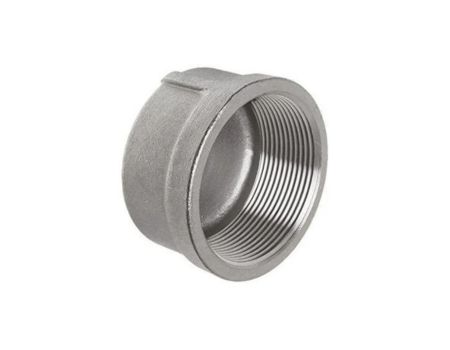
Buttweld End Cap Manufacturer & Supplier | Astm A403, Asme B16.9 Grades | Riddhi Siddhi Metal Impex
 2 yrs
2 yrsLooking For High Quality Buttweld End Cap, Grade Astm A234? Riddhi Siddhi Metal Impex Supplies Buttweld End Cap For Oil & Gas, Chemical & Petrochemical Industries. Request A Quote On Pipex.ai.
₹142 - ₹247
Min. order: 150 piece
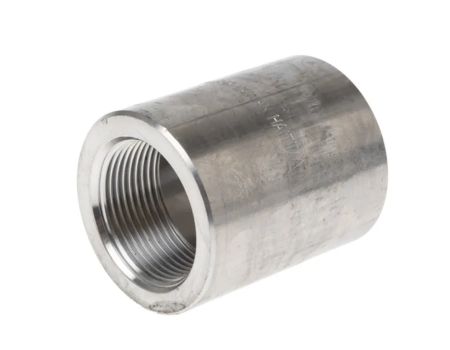
Pipe Fitting Coupling Manufacturer & Supplier | Ss 304 & 316l | Riddhi Siddhi Metal Impex
2 yrs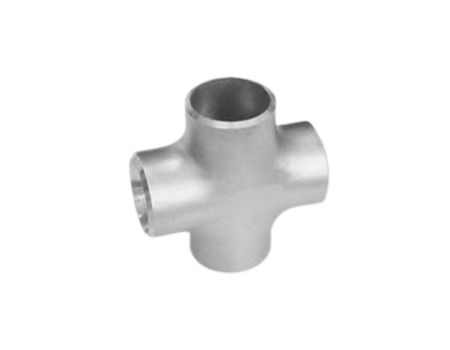
₹120 - ₹252
Min. order: 180 piece
Pipe Fittings Cross Manufacturer & Supplier | Astm A234 & Asme B16.9 | Riddhi Siddhi Metal Impex
2 yrsLooking For High Quality Pipe Fittings Cross? Riddhi Siddhi Metal Impex Supplies Pipe Fittings Cross For Oil And Gas, Power Plant And Industrial Piping Applications. Request A Quote On Pipex.ai.
₹135 - ₹242
Min. order: 120 piece
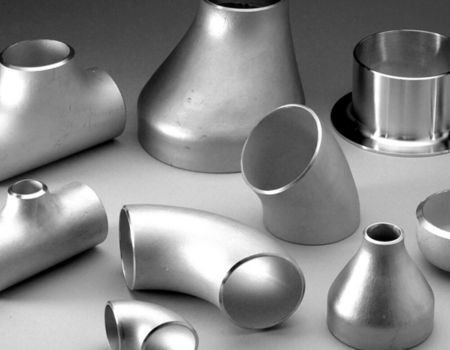
Hastelloy Pipe Fittings Manufacturer & Supplier | Hastelloy C276 & Uns N10276 | Riddhi Siddhi Metal Impex
2 yrs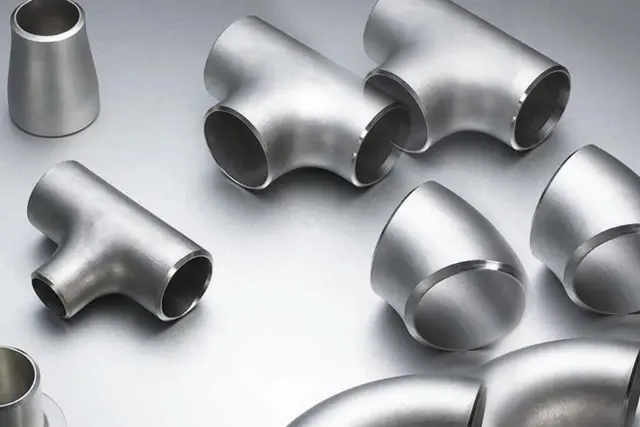
₹51 - ₹165
Min. order: 150 piece
Titanium Pipe Fittings Manufacturer & Supplier | Astm B363 & Asme B16.9 | Riddhi Siddhi Metal Impex
2 yrs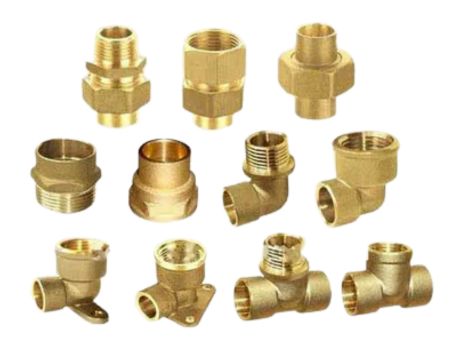
₹35 - ₹170
Min. order: 150 unit
Brass Pipe Fittings Manufacturer & Supplier | Astm B16 & Asme B16.15 | Riddhi Siddhi Metal Impex
2 yrs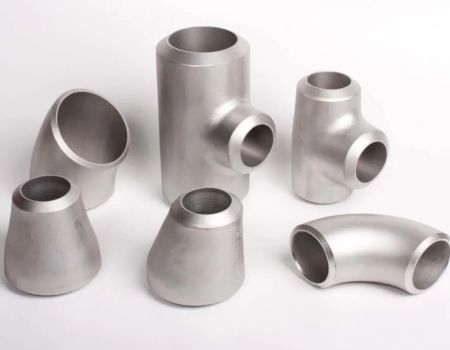
₹59 - ₹176
Min. order: 190 piece
Stainless Steel Pipe Fittings Manufacturer & Supplier | Ss 304 & Ss 316 | Riddhi Siddhi Metal Impex
2 yrs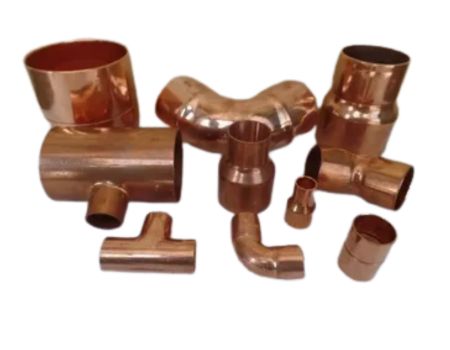
₹135 - ₹250
Min. order: 200 piece
Copper Nickel Pipe Fittings Manufacturer & Supplier | Cu Ni 90/10 & Uns C70600 | Riddhi Siddhi Metal Impex
2 yrs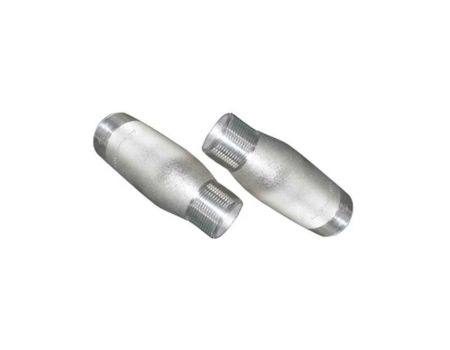
₹141 - ₹250
Min. order: 120 piece
Buttweld Swage Nipple Manufacturer & Supplier | Stainless Steel | Riddhi Siddhi Metal Impex
2 yrs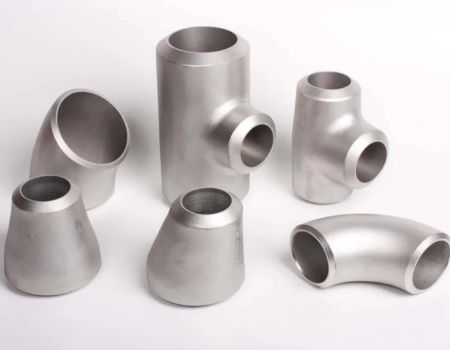
₹147 - ₹265
Min. order: 100 piece
Monel Pipe Elbow Fittings Manufacturer & Supplier | Monel 400 & Uns N04400 | Riddhi Siddhi Metal Impex
2 yrs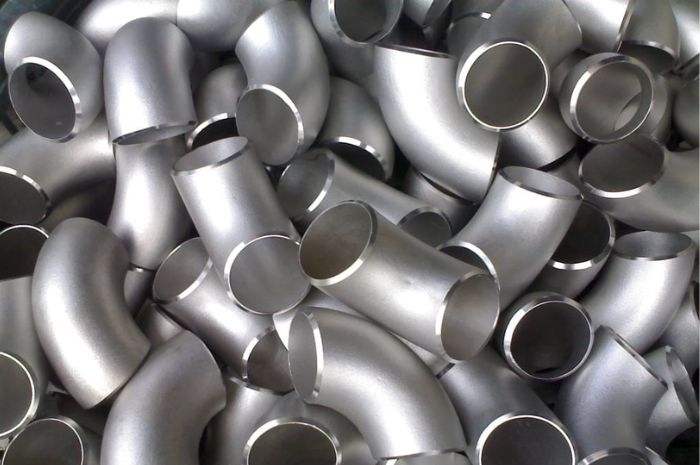
₹44 - ₹166
Min. order: 250 piece
Buttweld Pipe Fittings Manufacturer & Supplier | Astm A234 & Asme B16.9 | Nandigram Metal Industries
2 yrsLooking For High Quality Buttweld Pipe Fittings? Nandigram Metal Industries Supplies Buttweld Pipe Fittings For Oil And Gas Industries And Power Plant Applications. Request A Quote On Pipex.ai.
₹80 - ₹142
Min. order: 100 Items
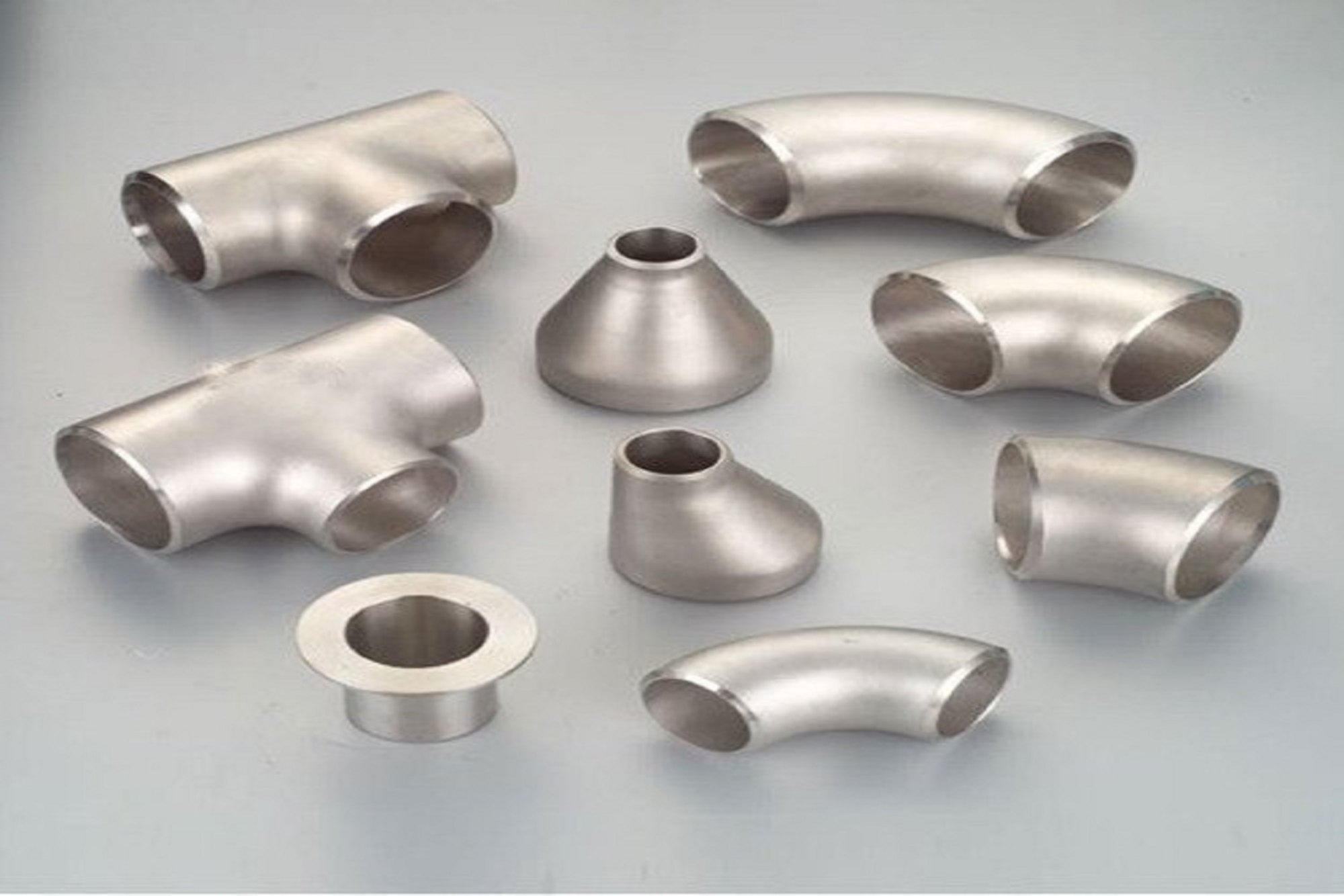
Stainless Steel 310/310s Buttweld Pipe Fittings Manufacturer & Supplier | Astm A403 Wp310/310s | Korus Steels
2 yrsLooking For High Quality Stainless Steel 310/310s Buttweld Pipe Fittings, Grade 310/310s? Korus Steels Supplies Fittings For Chemical, Petrochemical & Power Industries. Request A Quote On Pipex.ai.
Choosing the right
This guide explains what is butt weld fitting, how
What is butt weld fitting (and why it’s used so widely)?
A butt weld fitting is a fitting designed to be welded directly to pipe ends using a full-penetration butt weld. Compared with threaded or socket connections, butt weld joints typically offer:
- Lower leakage risk (continuous weld, fewer crevices)
- Better fatigue strength and vibration resistance
- Smoother internal bore for flow efficiency
- Superior performance at high pressure/high temperature
- Easier insulation and cleaner external profile
These advantages make butt weld joints a standard choice for
Product range you should expect from a fittings manufacturer
A reliable
Core butt weld fitting types
- 45° and 90° elbows (LR/SR)
- Tees (equal and reducing)
- Reducers (concentric and eccentric)
- Caps
- Stub ends (Lap Joint)
- Crosses (less common, but used in manifolds/skids)
- Special bends and fabricated spools (project-specific)
Typical materials (by service and spec)
- Carbon steel
- Stainless steel (austenitic, duplex, super duplex)
- Low-temperature carbon steels
- Alloy steels (Cr-Mo families)
- Nickel alloys (for severe corrosion environments)
If your application needs
- Non-standard angles, long-radius bends, or special tangents
- Dimensional modifications for tight space routing
- Bore transition designs for piggable lines or low-turbulence flow paths
- Matching pipe/fitting OD and wall combinations for unusual piping classes
Standards that matter: ASME B16.9 butt weld fittings (and related specs)
For most projects, ASME B16.9 butt weld fittings is the go-to dimensional standard for factory-made wrought
- ASME B16.9 (dimensions and tolerances for common butt weld fittings)
- ASME B16.28 (short radius elbows and returns—where specified)
- MSS SP-43 (stainless steel
buttweld fittings for lighter wall, if relevant) - MSS SP-75 (high-strength fittings often used in pipelines)
Important note: B16.9 covers dimensions and tolerances, but your project also needs the right material and manufacturing spec. Expect alignment with ASTM/ASME material standards (e.g., A234, A403, A420, A815 families depending on alloy and service) and project-specific ITP/QCP requirements.
Steel pipe fittings : picking the right material for your service
The phrase
Common examples by use-case
- Carbon steel butt weld elbows: widely used for general hydrocarbon, water, and utility services where corrosion is managed by coatings, inhibitors, or controlled environments.
- Stainless steel butt weld reducers: common in corrosive services, food/pharma utilities, seawater-adjacent systems, or where cleanliness and corrosion resistance are priorities.
- Corrosion resistant piping fittings: may require duplex, super duplex, high Mo stainless, or nickel alloys—often driven by chloride exposure, sour service, or aggressive chemicals.
Practical tips for grade selection
- Define the fluid composition, temperature range, pressure, and cyclic conditions.
- Clarify corrosion allowance and whether internal coatings/linings are allowed.
- Check compatibility with welding consumables and PWHT requirements.
- Align with pipe material to avoid galvanic issues and mismatched mechanical properties.
- For pipelines and sour service, confirm impact testing, hardness control, and any NACE/ISO sour requirements (project-dependent).
Seamless vs welded pipe fittings : what buyers should know
The seamless vs
Seamless fittings (common expectations)
Pros
- No weld seam in the fitting body
- Often preferred in higher criticality services
- Strong track record for high pressure applications
Considerations
- Availability constraints for some sizes/walls
- Typically higher cost than welded/fabricated options in certain ranges
Welded or fabricated fittings (common expectations)
Pros
- Strong availability in large diameters
- Flexible for special dimensions and project schedules
- Often economical for big sizes
Considerations
- Requires robust weld procedure qualification and inspection
- Quality depends heavily on the manufacturer’s controls and NDT
A professional ISO 9001 certified fittings supplier will explain exactly how they control welding variables, traceability, and inspection—so “welded” doesn’t become a quality risk.
Dimensions and wall thickness: avoid fit-up surprises
Even experienced teams lose time because of mismatched wall, bevel, or end prep. The fix is to align dimensions early.
Butt weld fitting dimensions chart: what to confirm
Most buyers refer to a butt weld fitting dimensions chart (often derived from ASME B16.9 tables) to validate:
- Center-to-end dimensions (A, B)
- Overall length
- Angle tolerance for elbows
- End OD and tolerance
- Matching ends for reducers/tees
When ordering, always include:
- NPS (nominal pipe size)
- Schedule or actual wall thickness
- Material grade
- Standard (e.g., ASME B16.9)
- End preparation requirement (bevel angle, root face) if project-specific
Schedule 40 vs schedule 80 fittings: why it matters
The schedule 40 vs schedule 80 fittings choice affects:
- Weight and cost
- Weld heat input and time
- Fit-up with matching pipe
- Pressure rating behavior (system-level design)
Schedule selection must match the piping class and design calculations. For projects using mixed schedules, specify exact ends (e.g., “SCH 80 ends, bored to match pipe ID” where required) to keep internal transitions smooth and welding consistent.
Manufacturing basics: what good looks like in buttweld fittings
A top-tier
- Hot forming (pressing, forging, extrusion) for elbows and reducers
- Machining and profiling for end preps and special features
- Fabrication/welding for large sizes or engineered shapes
- Heat treatment where required by material standard and thickness
- Surface finishing (pickling/passivation for stainless, blasting for carbon steel)
Key quality controls to ask about:
- Heat number traceability from raw material to finished fitting
- Dimensional inspection at defined stages
- Marking method and permanence (stamping/ink) per spec
- Controlled storage to prevent rust or cross-contamination (especially for stainless)
NDT testing for weld fittings: what to request and why
For fabricated fittings and critical services, NDT testing for weld fittings is a practical safeguard. The right NDT depends on your code, client spec, and risk profile.
Common NDT methods used on fittings and welds
- VT (Visual Testing): baseline for surface condition, bevel, and weld appearance
- PT (Liquid Penetrant Testing): surface crack detection (often on stainless)
- MT (Magnetic Particle Testing): surface/near-surface flaws (carbon/alloy steels)
- RT (Radiographic Testing): volumetric defects in welds (where applicable)
- UT (Ultrasonic Testing): volumetric inspection; often preferred for thicker sections
- PMI (Positive Material Identification): to confirm alloy content
- Hardness testing (when required, especially for sour/cyclic services)
A capable supplier will propose an inspection plan (ITP) that fits your needs rather than pushing a generic approach.
Documentation essentials: MTC verification and traceability
Documentation is where many “cheap” purchases become expensive. Always require and review:
Mill Test Certificate MTC verification: your minimum checklist
- Heat number matches the fitting marking and packing list
- Chemical composition within the specified grade limits
- Mechanical properties reported and compliant (tensile, yield, elongation, impact if required)
- Heat treatment status recorded (solution annealed, normalized, quenched & tempered, etc.)
- NDT reports attached where specified
- Traceability maintained through manufacturing steps (especially for fabricated fittings)
If you’re sourcing internationally for bulk order piping fittings export, ask for sample documents before you release the full order. A strong ISO 9001 certified fittings supplier will have a predictable documentation pack and revision control.
How to choose pipe fitting supplier: a practical scorecard
If you’re evaluating a
1) Capability and scope
- Can they supply both seamless and fabricated routes?
- Do they handle special sizes, large diameters, or quick-turn requirements?
- Do they offer
custom pipe fittings without losing traceability?
2) Quality system and audits
- Are they an ISO 9001 certified fittings supplier?
- Do they provide third-party inspection support (TPI) like BV, SGS, TUV, DNV—based on your requirement?
- Can they share a sample ITP/QCP?
3) Technical alignment
- Familiarity with ASME B16.9 butt weld fittings
- Understanding of your welding, PWHT, NACE/sour, or impact requirements
- Clear interpretation of tolerances and end preps
4) Lead time realism
- Confirm raw material availability
- Confirm manufacturing route (seamless vs fabricated)
- Confirm NDT and documentation timeline
5) Export readiness
- Packaging for sea freight, corrosion protection, and labeling
- HS codes, country-of-origin clarity, and shipping marks
- Ability to consolidate mixed items and manage partial shipments
Oil and gas pipeline fittings sourcing: what changes vs general industrial supply
For oil and gas pipeline fittings sourcing, project specifications are often more demanding, especially for toughness, traceability, and compliance. Expect more attention to:
- Material toughness and impact testing at specified temperatures
- Higher-strength fittings (pipeline grades)
- Enhanced NDT and dimensional verification
- Strict heat/lot traceability and marking requirements
- Compatibility with line pipe grade and welding procedures
- Documentation completeness before dispatch
Pipeline projects also tend to buy in large quantities with tight delivery windows—so production planning and logistics become as important as metallurgy.
Getting value from a dealer/exporter vs a direct manufacturer
Many buyers assume “manufacturer only” is best. In reality, a qualified
- Consolidate multi-grade, multi-size packages from different mills
- Hold stock for urgent shutdowns
- Provide export packaging, labeling, and document control
- Offer technical support for substitutions (with client approval)
- Manage bulk order piping fittings export efficiently
The key is transparency: you should know whether the company is acting as a mill, a fabricator, a stocking distributor, or a sourcing/export house—and what traceability controls apply in each case.
Common ordering mistakes (and how to avoid them)
These issues cause most site delays and rework:
- Missing standard callout: specify ASME B16.9 (or required standard), not just “
buttweld fittings ” - Wrong ends: forgetting to define schedule/wall and bevel requirements
- Mismatched schedule: ordering SCH 40 fittings for SCH 80 pipe (or vice versa) without transition detail
- Grade confusion: not locking down pipe fitting material grade selection
- No inspection requirements: leaving NDT testing for weld fittings ambiguous
- Weak document review: skipping mill test certificate MTC verification until after shipment
- No corrosion protection: export shipments arriving with rust or chloride contamination
A quick fix is to attach a one-page “purchase specification” to every PO that lists: standards, material, schedule, NDT, marking, documentation, packaging, and TPI requirements.
Quick RFQ template (copy/paste ready)
Use this when emailing your
- Items: Elbows / tees / reducers / caps / stub ends (list quantities)
- Standard: ASME B16.9 butt weld fittings
- Size range: NPS __ to __
- Wall: schedule 40 vs schedule 80 fittings (or exact thickness in mm/in)
- Material: Carbon steel / stainless steel / alloy (grade: __)
- Manufacturing: seamless / fabricated / acceptable both (state preference)
- NDT: NDT testing for weld fittings (VT + __ + __)
- PMI: Yes/No
- Heat treatment: as per standard / project-specific (state)
- Documents: MTCs, NDT reports, dimensional reports, packing list (mill test certificate MTC verification required)
- Quality: ISO 9001 certified fittings supplier required (Yes/No)
- Packaging: seaworthy export packing + end protectors + anti-rust measures
- Delivery: Incoterms, destination port, required date
- Use case: oil and gas pipeline fittings sourcing / refinery / power / water (state service)
Takeaway: buy buttweld fittings like a system, not like a commodity
A dependable