View By:
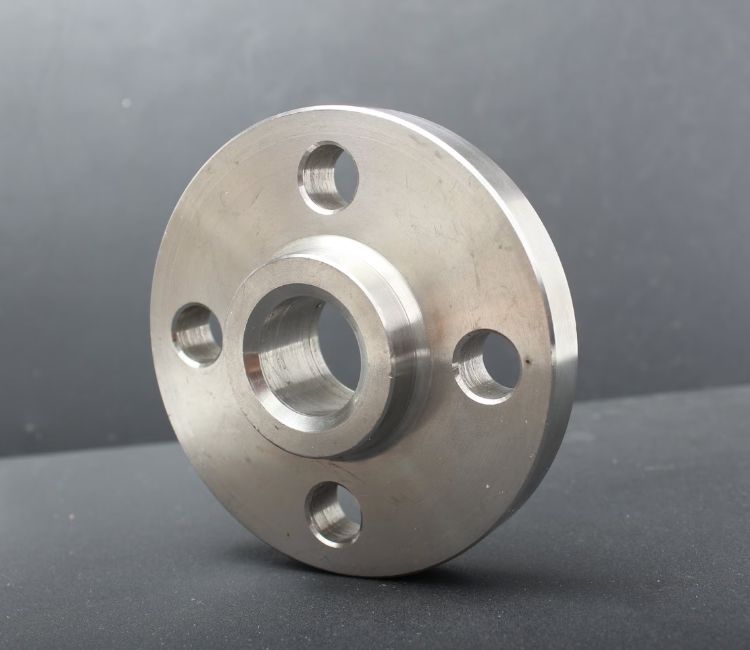
₹73 - ₹155
Min. order: 100 piece
Flanges Manufacturer & Supplier | Stainless Steel, Carbon Steel & Alloy Steel | Nitech Stainless Inc
 2 yrs
2 yrs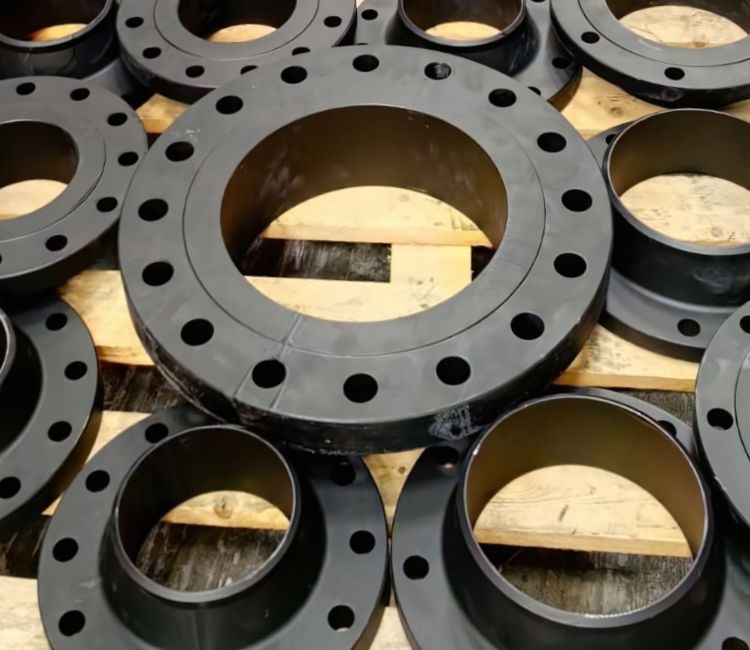
₹22 - ₹113
Min. order: 100 piece
Carbon Steel Flanges Manufacturer & Supplier | Carbon Steel | Nitech Stainless Inc
2 yrs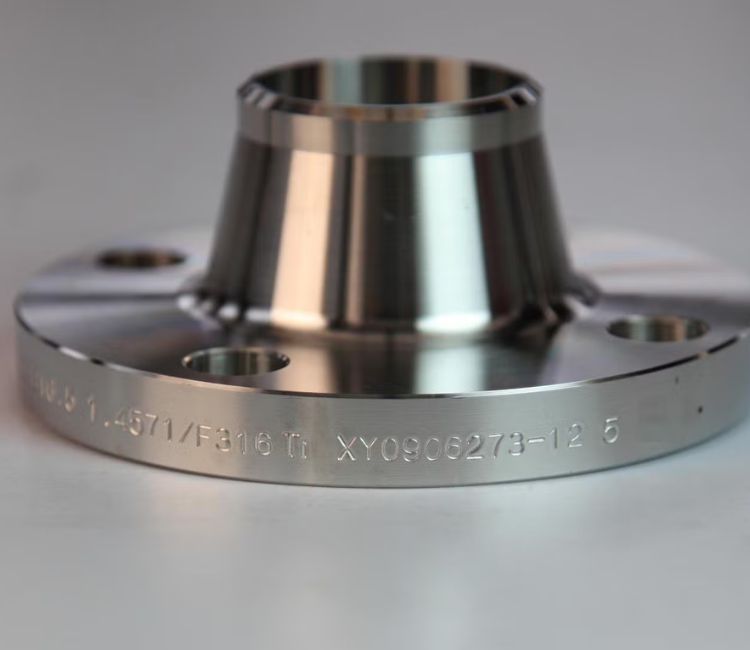
₹17 - ₹108
Min. order: 100 piece
Weld Neck Flanges Manufacturer & Supplier | Stainless Steel, Carbon Steel & Alloy Steel | Nitech Stainless Inc
2 yrs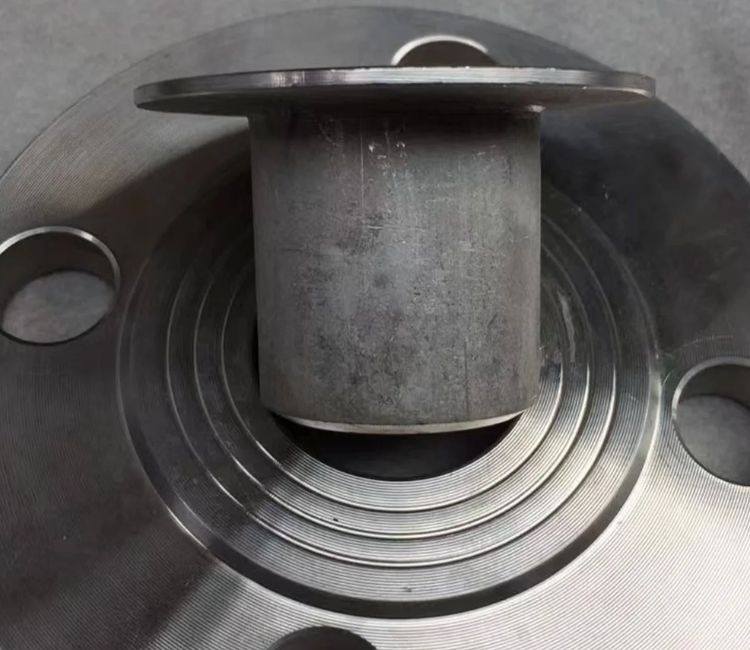
₹90 - ₹173
Min. order: 100 piece
Lap Joint Flanges Manufacturer & Supplier | Stainless Steel | Nitech Stainless Inc
2 yrs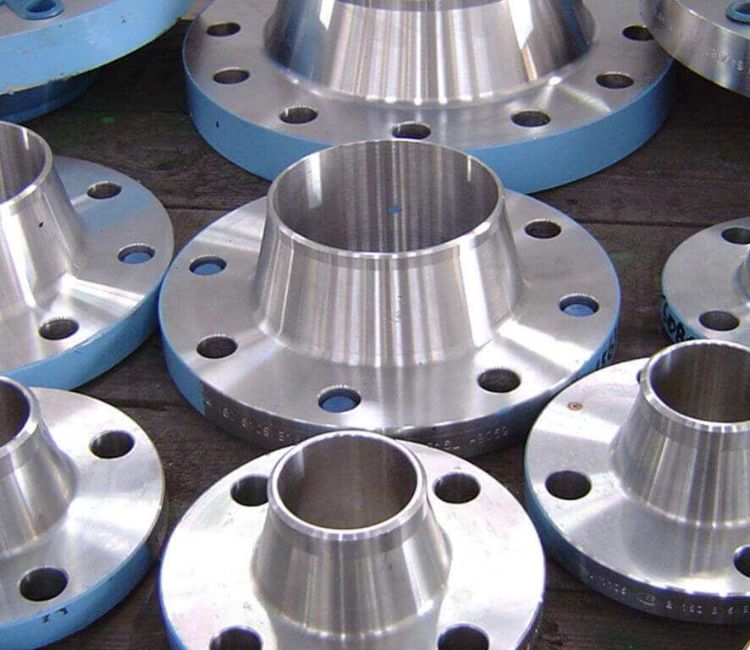
₹79 - ₹177
Min. order: 400 piece
Alloy Steel Flanges Manufacturer & Supplier | Alloy Steel | Nitech Stainless Inc
2 yrs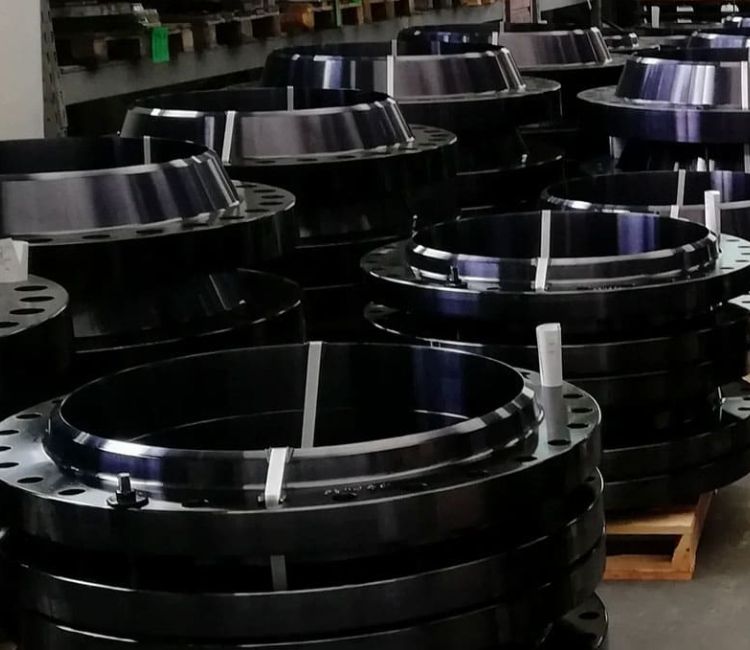
₹44 - ₹140
Min. order: 350 Items
Carbon Steel F46 Flanges Manufacturer & Supplier | Carbon Steel F46 | Nitech Stainless Inc
2 yrs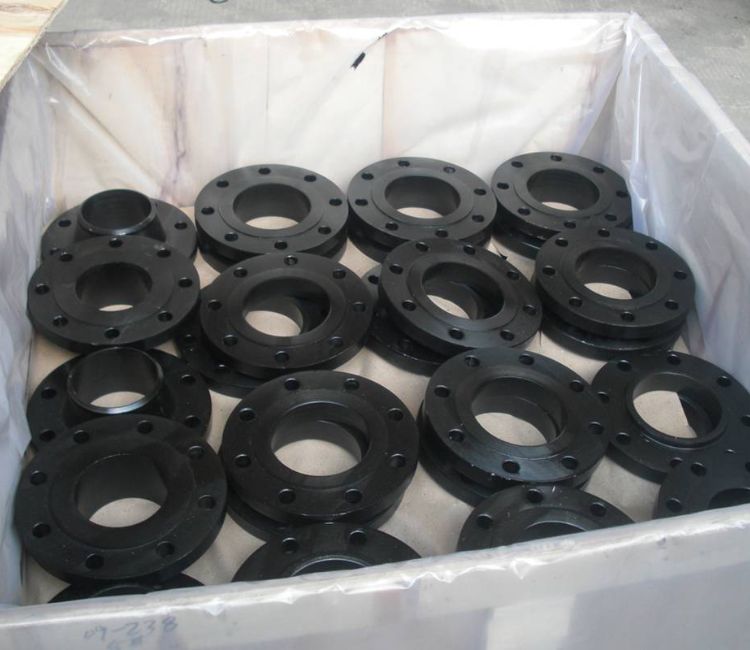
₹76 - ₹177
Min. order: 100 piece
Carbon Steel F65 Flanges Manufacturer & Supplier | Carbon Steel F65 | Nitech Stainless Inc
2 yrs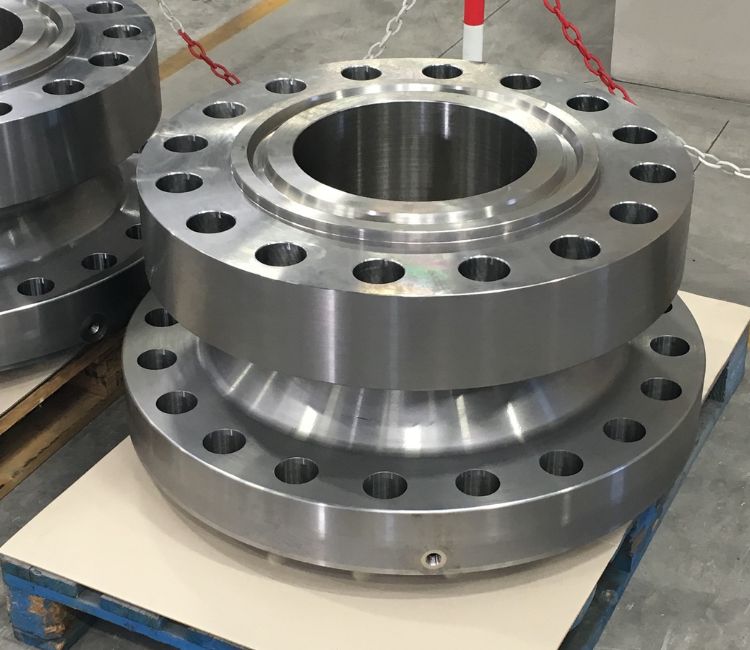
₹34 - ₹171
Min. order: 50 piece
Alloy Steel 4140 Flanges Manufacturer & Supplier | Alloy Steel 4140 | Nitech Stainless Inc
2 yrs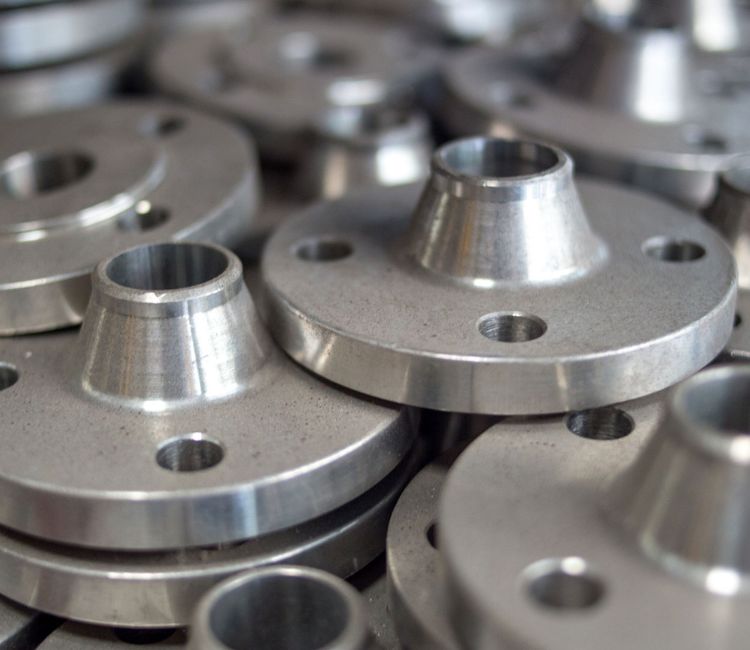
₹85 - ₹168
Min. order: 50 Items
Alloy Steel F12 Flanges Manufacturer & Supplier | Astm A182 F12 | Nitech Stainless Inc
2 yrs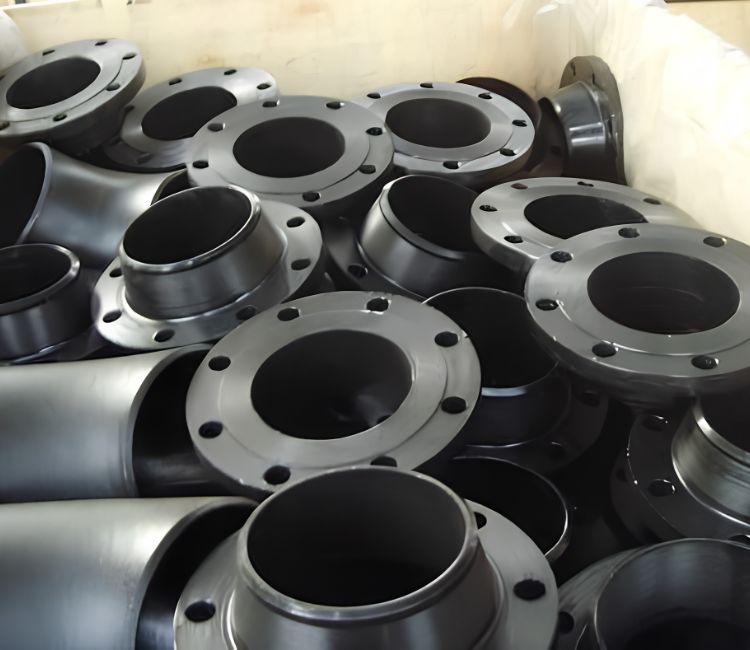
₹41 - ₹178
Min. order: 100 Items
Carbon Steel A105 Flanges Manufacturer & Supplier | Astm A105 | Nitech Stainless Inc
2 yrs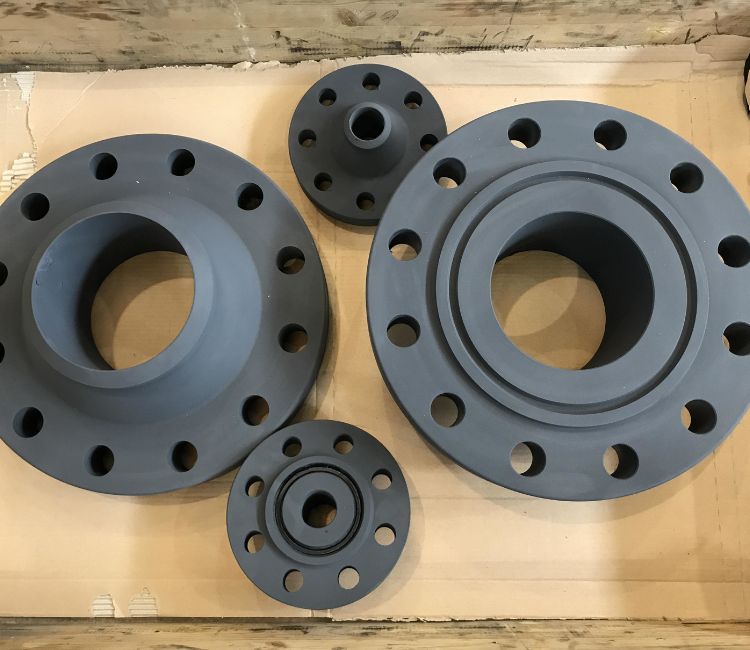
₹76 - ₹180
Min. order: 50 Items
Carbon Steel F52 Flanges Manufacturer & Supplier | Carbon Steel F52 | Nitech Stainless Inc
2 yrs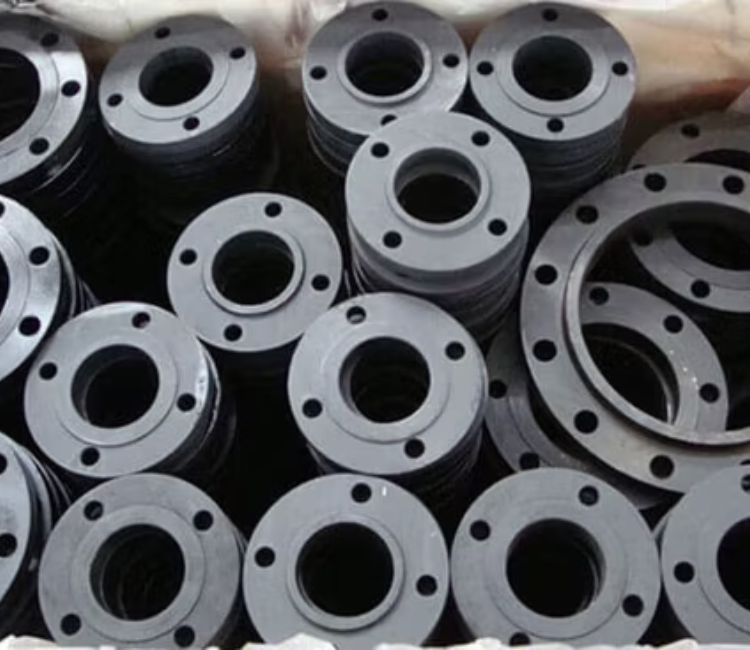
₹54 - ₹170
Min. order: 100 unit
Carbon Steel A36 Flanges Manufacturer & Supplier | Carbon Steel A36 | Nitech Stainless Inc
2 yrsChoosing the right
What a Flanges Manufacturer Supplier Dealer Exporter Covers
In buying, a
- Manufacturer: Makes flanges by forging, machining, and QC. Ideal for tracking, custom work, and steady quality.
- Supplier: Stocks and ships many sizes and standards fast.
- Dealer: Focuses on stock and price, but quality depends on source checks.
- Exporter: Handles packing, papers, country rules, and global shipping. This matters for stainless steel flange exporters.
For large or critical jobs, choose a vendor that can handle material sourcing, forging or machining, testing, tracking, and export papers. That full-cycle reach is what sets a true
Where Flanges Are Used
Flanges are used across oil & gas, chemical plants, power plants, water treatment, HVAC, shipbuilding, pulp & paper, pharmaceuticals, and general process plants. In these jobs,
That is why buyers often ask for a
Flange Types : A Practical Guide
Knowing
What Is a Slip-On Flange?
If you ask what is a slip-on flange, it is a flange that slips over the pipe and is fillet welded. It is common in moderate pressure service because it is easy to line up and install.
Pros: low cost, easy fit-up, good for low and medium pressure Cons: less strength than weld neck, not ideal for hard fatigue or thermal swing service
Common Industrial Flanges
- Weld Neck (WN): Best for high pressure and high heat; strong stress flow.
- Slip-On (SO): Good for general service and utility lines.
- Socket Weld (SW): Good for small bore, high pressure use.
- Lap Joint (LJ): Useful with stub ends and easy removal.
- Threaded: No welding; used where welding is not practical.
- Blind: Closes pipe ends for isolation or future use.
Some plants also need RTJ faces and special drilling. That is where a strong custom flange manufacturing process matters.
Flange Standards You Must Align Before Ordering
A mismatch in
ASME B16.5 Flange Standards
The most used standard in many plants is ASME B16.5
ANSI vs DIN Flanges: What to Check
Teams often compare ANSI vs DIN flanges when they work with imported gear or old plants. Key gaps include:
- Size systems and tables
- Pressure rating systems, such as Class vs PN
- Bolt circle and hole count
Always cross-check a flange size chart and dimensions sheet before bulk buy.
Flange Materials : Performance, Cost, and Fit
Correct
Flange Material Grades Comparison
Use a flange material grades comparison to narrow the field:
- Carbon steel: Strong and low cost. May need coating and corrosion allowance.
- Stainless steel: Better corrosion resistance for water and chemical service.
- Duplex / Super duplex: High strength and strong chloride resistance.
- Alloy steels / high-temp alloys: Good for heat and creep resistance.
- Nickel alloys: Best for severe chemical service.
If you need a
India-Based Sourcing Notes
Many buyers search for:
flanges manufacturer in india ss flanges manufacturer in india stainless steel flanges manufacturer carbon steel flanges manufacturer
India also has strong hubs. You may also shortlist:
flanges manufacturer in pune flanges manufacturer in mumbai
The best choice depends on capacity, machining skill, QC, export packing, and delivery speed.
Forged Flanges vs Fabricated Flanges
Two main paths matter in sourcing: forging and
Forged Flanges Manufacturer : Why Forging Is Preferred
A
That is why many buyers also search for forged steel flange suppliers for critical service.
Flange Fabrication : When Fabricated Makes Sense
- Large diameter, non-standard parts
- Plate-based special designs
- Some low and medium pressure jobs
If you use fabricated parts, ask for strong welding, NDT, and size checks.
Custom Flanges : From Idea to Delivery
When stock items do not fit,
- Requirement capture: service need, mating flange, gasket, bolt data
Flange design review: drawing, tolerance, face finish, corrosion allowance- Material sourcing: MTC, heat number, and tracking
- Forging or cutting and machining: CNC, facing, drilling, bevels, serration finish
- Inspection and testing: size, NDT, PMI, hardness, hydro if needed
- Marking, packing, and export papers
This is where a real
Flange Pressure Rating Selection
Wrong flange pressure rating selection can mean under-rating, which is a safety risk, or over-rating, which adds cost and weight.
Check these points:
- Design pressure and temperature, including upset cases
- Material rating curve at temperature
- Face type and gasket fit
- External loads, such as pipe stress and bend load
- Code needs from ASME or the project spec
If you are not sure, ask the supplier for a rating note tied to your code.
How to Choose Pipe Flanges
Use this simple method for how to choose pipe flanges that fit your site:
- Identify the
flange types you need: WN, SO, SW, LJ, blind, or threaded - Confirm the standard: ASME B16.5
flange standards or DIN or EN - Confirm pressure rating with flange pressure rating selection
- Match the face type to the gasket and mating flange
- Check size and drilling with a flange size chart and dimensions sheet
- Choose
flange materials with a flange material grades comparison - Define testing: PMI, NDT, hardness, and impact tests when needed
- Set coating, marking, and packing needs
- Check documents: MTC, QAP or ITP, reports, and tracking
- Review lead time, MOQ, and support
This is also the base of a strong flange procurement checklist for projects.
Flange Inspection and Testing Methods
Quality is not just the label. It is the test record. Common flange inspection and testing methods include:
- Dimensional inspection: OD, ID, thickness, bolt circle, hole size, face finish
- Visual inspection: surface marks and face nicks
- PMI for alloy check
- NDT such as PT, MT, UT, or RT, based on risk and spec
- Hardness testing and impact testing when needed
- MTC review for heat number tracking, chemistry, and mechanical data
For exporters, also check rust control, VCI wrap, face covers, and fumigated pallets if needed.
Pricing: Flange Price Per Kg Factors You Should Know
Buyers often ask for a rate, but true cost depends on more than base metal. The main flange price per kg factors are:
- Raw material grade and market swings
- Forged vs fabricated route
- NDT, PMI, testing, and third-party checks
- Machining work, such as RTJ grooves and tight tolerances
- Quantity and delivery speed
- Coating, packing, and export rules
Tip: compare quotes on the same standard, class, face, testing, and papers, not only on ₹/kg or $/kg.
Selecting the Right Flange Supplier : What Good Looks Like
A good
- Clear fit to your standard and datasheet
- Strong tracking, heat numbers, MTCs, and marking
- Steady machining and face quality
- A clear ITP or QAP
- Export support for global shipments, which matters for stainless steel flange exporters
- Proof of work in your field
If you source from
Quick Takeaway
A true
Q&A
Question: Why is it important to choose a
Short answer: Full-cycle capability gives better control over material sourcing, forging or machining, testing, tracking, packing, and export papers. That matters most for large, critical, or safety-sensitive jobs where a bad match in material, class, face, or size can cause leaks, rework, or delay.
Question: When should forged flanges be preferred over fabricated flanges?
Short answer: Forged flanges are usually better for high-pressure, high-heat, fatigue-prone, or safety-critical service. Forging improves grain flow, strength, and steady performance. Fabricated flanges can still suit large, non-standard, or some low and medium pressure jobs, but they need strong welding, NDT, and size checks.
Question: What details should be confirmed before placing a flange order?
Short answer: Check the flange type, standard, pressure rating, face type, size, drilling, material grade, testing, coating, marking, packing, and papers. The article stresses using ASME B16.5
Question: Why should ANSI vs DIN flanges never be treated as close enough?
Short answer: ANSI and DIN flanges can differ in size systems, pressure classes, bolt circle size, hole count, and other key dimensions. Even a small gap can stop proper fit-up, delay work, or weaken sealing, so you must check standards before bulk buy.
Question: What factors affect flange price per kg beyond the base material cost?
Short answer: Flange price per kg depends on raw material grade, market swings, forged vs fabricated route, testing, third-party checks, machining work, order size, lead time, coating, packing, and export rules. For a fair compare, review quotes on the same standard, class, face, testing, and papers.