View By:
₹91 - ₹182
Min. order: 100 Items
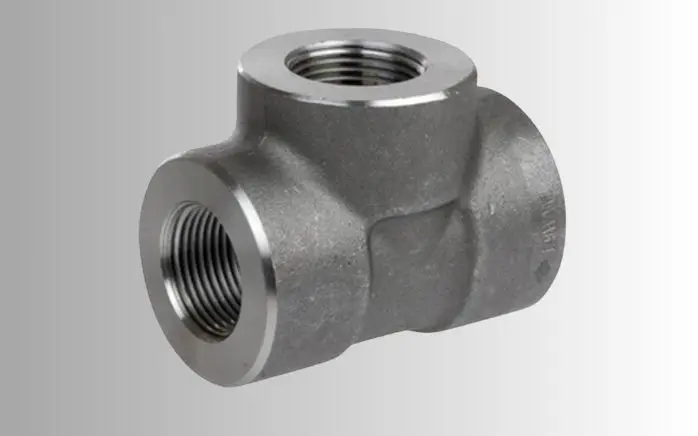
Forged Tee Fitting Manufacturer & Supplier | Astm A182 & Asme B16.11 | Neptune Metal Industries
 2 yrs
2 yrsLooking For High Quality Forged Tee Fitting? Neptune Metal Industries Supplies Forged Tee Fitting For Oil And Gas Industries And Power Plant Applications. Request A Quote On Pipex.ai.
₹23 - ₹114
Min. order: 10 unit
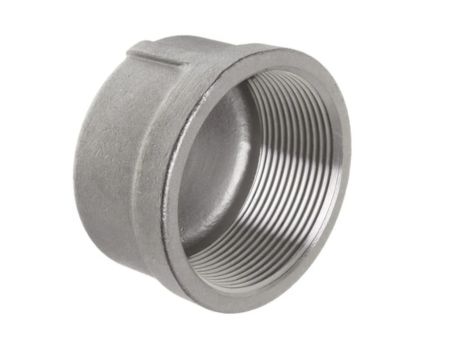
Forged End Cap Fitting Manufacturer & Supplier | Astm A182 F11 & F22 | Neptune Metal Industries
2 yrsLooking For Forged End Cap Fitting For Industrial Applications? Neptune Metal Industries Supplies Forged End Cap Fitting For Power Plant And Oil And Gas Industries. Request A Quote On Pipex.ai.
₹68 - ₹159
Min. order: 500 unit
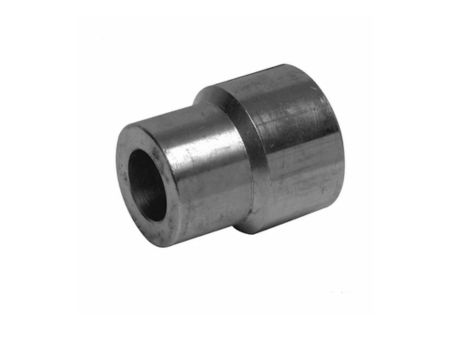
Forged Reducer Fitting Manufacturer & Supplier | Ss 304 & Ss 316l | Neptune Metal Industries
2 yrsNeed Reliable Forged Reducer Fitting For Industrial Piping? Neptune Metal Industries Supplies Forged Reducer Fitting For Oil And Gas Industries And Chemical Applications. Request A Quote On Pipex.ai.
₹36 - ₹64
Min. order: 200 Items
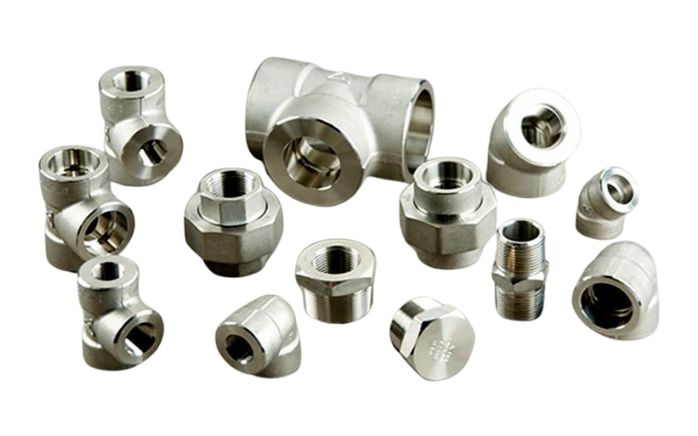
Forged Fittings Manufacturer & Supplier | Astm A182 & Asme B16.11 | Americo Steelage Pvt Ltd
2 yrsLooking For High Quality Forged Fittings? Americo Steelage Pvt Ltd Supplies Forged Fittings For Oil And Gas Industries And Power Plant Applications. Request A Quote On Pipex.ai.
₹55 - ₹91
Min. order: 100 Items
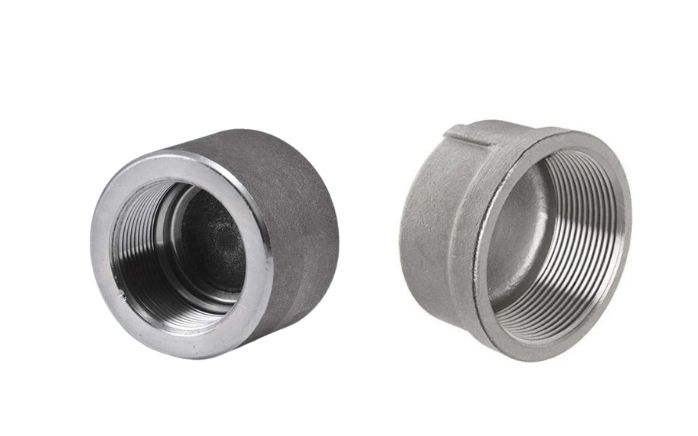
End Caps Forged Fitting Manufacturer & Supplier | Ss 304 & Ss 316l | Americo Steelage Pvt Ltd
2 yrsNeed Reliable End Caps Forged Fitting For Industrial Piping? Americo Steelage Pvt Ltd Supplies End Caps Forged Fitting For Oil And Gas Industries And Chemical Applications. Request A Quote On Pipex.ai
₹64 - ₹82
Min. order: 250 Items
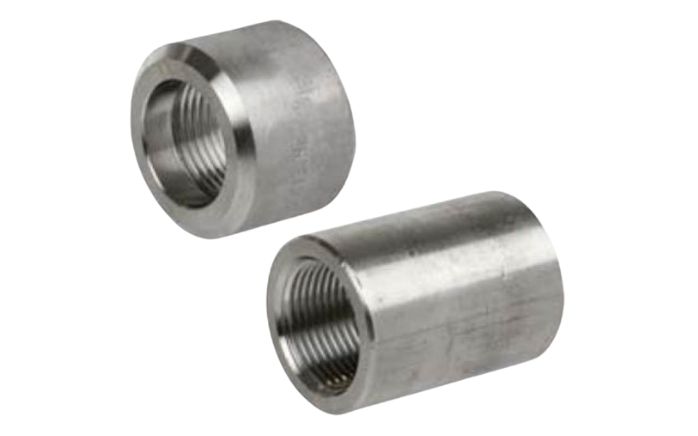
Coupling Forged Fitting Manufacturer & Supplier | Astm A182 & Asme B16.11 | Americo Steelage Pvt Ltd
2 yrsLooking For High Quality Coupling Forged Fitting? Americo Steelage Pvt Ltd Supplies Coupling Forged Fitting For Oil And Gas Industries And Power Plant Applications. Request A Quote On Pipex.ai.
₹18 - ₹45
Min. order: 100 Items
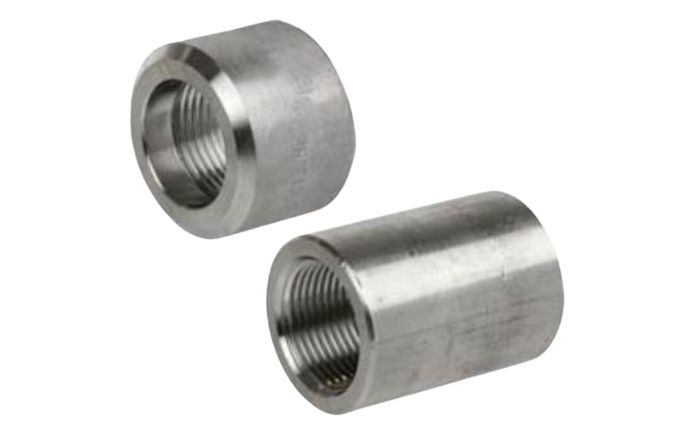
Coupling Forged Fitting Manufacturer & Supplier | Ss 304 & Ss 316l | American Stainless
2 yrsNeed Reliable Coupling Forged Fitting For Industrial Piping? American Stainless Supplies Coupling Forged Fitting For Oil And Gas Industries And Chemical Applications. Request A Quote On Pipex.ai.
₹18 - ₹91
Min. order: 50 piece
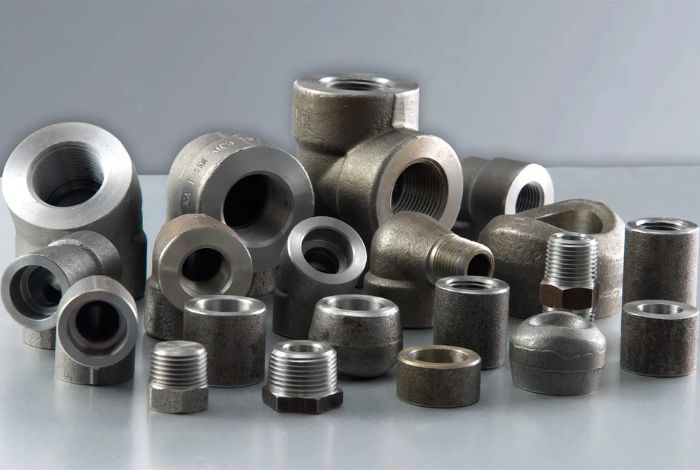
Forged Fitting Manufacturer & Supplier | Astm A182 & Asme B16.11 | Inox Steel India
2 yrsLooking For High Quality Forged Fitting? Inox Steel India Supplies Forged Fitting For Oil And Gas Industries And Power Plant Applications. Request A Quote On Pipex.ai.
Forged pipe fittings are the quiet heroes of piping systems. They are small, but they carry big responsibility. In lines with high pressure, high heat, vibration, corrosion, or cyclic loads, forged pipe fittings are often the safe choice. Forged steel pipe fittings bring a dense grain, steady strength, and reliable service in hard duty.
In this guide, you'll learn what forged pipe fittings are, why many plants choose them, the main fitting types, material options like forged stainless steel pipe fittings and carbon steel forged pipe fittings, how to pick pressure classes such as pressure rating class 3000 6000 9000, and what to check when you compare forged pipe fittings manufacturers—whether you buy local or from china forged pipe fittings.
What Are Forged Pipe Fittings?
Pipe fittings connect, turn, branch, reduce, or end a line. They are the core pipe connectors and pipe accessories that make a piping layout work.
Forged pipe fittings are made by shaping hot metal, or sometimes cold metal, under force. The grain flow lines up, so the parts act as durable fittings for critical service.
Common uses include:
- Oil and gas production and refining
- Chemical plants
- Power generation and steam systems
- Fire protection and utilities
- Marine, offshore, and hydraulic services
- Food, pharma, and clean process lines
Forging vs Casting Pipe Fittings: What Is the Real Difference?
A common buying question is forging vs casting pipe fittings. Both can work, but the process changes the result.
Forged fittings: typical gains
- Higher strength from refined grain flow
- Lower risk of voids and shrinkage flaws
- Better fatigue life in vibration and cycling
- Strong fit for high-pressure service
Cast fittings: typical gains
- Complex shapes are easier to make
- Often lower cost for large or complex forms
For many small-bore, high-pressure lines, forged steel pipe fittings are the better choice because the process gives steadier properties and fewer weak spots—especially where failure would be costly.
Most Common Forged Pipe Fittings (Fitting Types)
When people search fitting types, they often compare elbows, tees, reducers, couplings, unions, and end caps.
Core forged fitting types
- Elbows (45°, 90°): change flow direction
- Tees (equal/reducing): add a branch
- Reducers (concentric/step-down): change pipe size
- Couplings (full/half): join two pipes in line
- Unions: allow easy take apart for maintenance
- Caps/Plugs: close a line
- Bosses/Outlets: make special take-offs
These are used as industrial fittings across countless systems—from utility headers to control manifolds.
Connection Styles: Socket Weld, Threaded, and Butt Weld
Choosing the end style changes install time, leak risk, inspection work, and long-term life.
Socket weld fittings selection (small-bore favorite)
Socket weld ends take the pipe into a recessed socket, then get fillet welded around the outside.
Pros
- Strong for high pressure and high heat
- Good for small-bore lines
- Clean bore alignment with proper fit-up
Cons
- Needs skilled welding
- Heat input must be managed for some services
- The socket crevice can matter in some corrosion jobs
Threaded pipe fittings types (fast, serviceable)
Threaded fittings are used where welding is not wanted or where parts must come apart often.
Pros
- Fast to install and remove
- Little hot work
- Good for utilities, air, water, and some control lines
Cons
- Thread fit can leak if the joint is poor
- Not ideal for high vibration, heavy cycling, or very high heat
- Thread standards must match
Butt weld vs socket weld fittings (what to choose?)
Butt weld fittings, common in larger bores, use full-penetration welds with beveled ends. For small-bore lines, socket weld is often the practical standard. In general:
- Use butt weld when you need a smooth bore, no socket crevice, and strong weld integrity—often in process piping and larger sizes.
- Use socket weld for compact, high-pressure small-bore lines where fit-up is easy to control.
- Use threaded where ease of assembly matters and service conditions allow it.
Thread Standards: NPT vs BSPT Thread Differences (Avoid Costly Mix-Ups)
Thread fit is a top cause of field leaks and rework.
NPT vs BSPT thread differences
- NPT (National Pipe Taper): common in the United States; the taper and thread form help seal with interference, often with sealant.
- BSPT (British Standard Pipe Taper): common in many global markets; the angle and pitch differ from NPT in many sizes.
Key takeaway: Do not mix NPT and BSPT unless you have checked the exact size and use. Even if a joint starts, it may not seal well, which can lead to chronic seepage or sudden failure.
Materials: Carbon Steel vs Stainless — How to Choose
Material choice can make or break reliability. Match it to pressure, heat, corrosion risk, and the process fluid.
Carbon steel forged fittings (workhorse option)
Carbon steel forged pipe fittings are common in general industrial service, hydrocarbons, steam, and many utility lines.
Benefits:
- Strong and cost-effective
- Easy to get in standard sizes and pressure classes
- Good for many welded and threaded systems
Considerations:
- Needs corrosion protection in damp or corrosive sites
- Not a good fit for chloride-rich or highly corrosive media without coating or lining
If you compare product lists, you may see both terms: carbon steel forged pipe fittings and forged carbon steel pipe fittings. They usually mean the same group.
Carbon steel forged fittings grades (common examples)
Your system spec will usually set the grade. Common families include:
- ASTM A105, a widely used forged carbon steel for piping parts
- Low-temperature or alloy grades, depending on design conditions
Always match the grade to:
- Design temperature range
- Impact test needs, if any
- Weld procedure fit
Stainless options and corrosion performance
Forged stainless steel pipe fittings are chosen when corrosion resistance and clean service matter.
Typical benefits include:
- Strong corrosion resistance in wet, chemical, and coastal sites
- Better fit for sanitary or clean process services, depending on finish and grade
- Good use across a wide temperature range, depending on grade
Stainless steel forged fitting applications
Common services include:
- Chemical processing, such as many acids and solvents—check the media first
- Food and beverage utilities, often in 304 or 316 systems
- Marine air and offshore topsides
- Pharma and biotech utility piping, spec-driven
Caution: stainless is not universal. Chlorides, some acids, and high-heat oxidation can call for special alloys. If in doubt, use a pipe fitting material fit chart and confirm with process and corrosion engineers.
Pressure Classes: Class 3000, 6000, 9000 (What They Mean)
For forged fittings, pressure class is a key choice. You will often see pressure rating class 3000 6000 9000 for socket weld and threaded forged fittings, often in line with ASME rules.
Practical guidance:
- Class 3000: common in many small-bore industrial services
- Class 6000: for higher pressure duty and thicker walls
- Class 9000: for severe high-pressure service, with limited sizes
Important: pressure class is not only about pressure. It also depends on heat and material. Always check the applicable code and your design conditions.
ASME B16.11 Compliance Requirements (Why It Matters)
For many systems, compliance is not optional. ASME B16.11 compliance requirements cover size, tolerance, marking, and rating rules for forged threaded and socket-weld fittings.
When a supplier says ASME B16.11, expect:
- Clear dimensional standards by fitting and size
- Marking rules for material, class, maker ID, and more
- A standard method for ratings and acceptance
If you source from china forged pipe fittings, ask for:
- Material test reports (MTRs)
- ID marks and heat numbers
- Third-party inspection for critical orders
- Clear proof of the active standard, such as B16.11, ASTM specs, or NACE when needed
Pipe Fitting Dimensions and Tolerances: What to Check Before Installation
Even high-quality steel fittings can cause trouble if dimensions drift or tolerances vary.
Pipe fitting dimensions and tolerances checklist
- Correct nominal size (NPS) and schedule match
- Thread quality, with gauge checks for NPT or BSPT
- Socket depth and bore alignment for socket weld fittings
- End finish and bevel, if needed
- Centering and wall thickness consistency
- Proper marks: size, class, material grade, heat/lot ID
A small size mismatch can lead to:
- Fit-up delays
- Weld defects, such as misalignment or lack of fusion
- Thread galling or seal loss
- Unplanned pressure drop or flow upset
How to Install Threaded Fittings (And Make Them Seal)
Threaded joints fail mostly because of poor practice, not bad fittings. Here is a simple method for how to install threaded fittings:
Installation steps
- Check the thread type before you start: NPT or BSPT.
- Inspect threads for damage, burrs, or dirt; clean if needed.
- Apply the right thread sealant:
- PTFE tape, with the correct wrap direction and count
- Thread paste or sealant that fits the media and heat range
- Hand-tighten first to avoid cross-threading.
- Use a wrench to tighten to a firm, straight fit. Do not over-torque.
- Pressure test and leak check by procedure.
How to prevent fitting leaks in threaded systems
- Do not mix thread standards; again, NPT vs BSPT thread differences matter
- Avoid too much tape, which can shred and move downstream
- Use sealants rated for your process, such as oxygen, hydrocarbons, steam, or chemicals
- Replace fittings with damaged threads instead of forcing them
- Reduce vibration or add supports where threaded joints are needed
Selecting the Right Forged Pipe Fittings for Your Project
Choosing the right pipe connectors is about matching service conditions and install limits.
Quick selection framework
- Service severity: pressure, heat, cycling, vibration
- Media: corrosive, abrasive, clean, or oxygen service
- Connection preference: threaded, socket weld, or butt weld
- Material: carbon steel, stainless, or alloy
- Compliance: ASME, ASTM, project specs, and client rules
- Availability: lead time, size range, and source plan
Socket weld fittings selection tips
Choose socket weld when:
- Pressure is high and line size is small-bore
- You need compact shape and strong joints
- Welding and QA/QC support are in place
Choose threaded when:
- Maintenance access and disassembly matter
- Hot work is limited
- Pressure, heat, and vibration stay within limits
Forged Pipes, Fittings, and System Fit (Do Not Overlook the Whole Line)
It is easy to focus on fittings, but the whole line has to match:
- Forged pipes or spools and fittings must match material specs and welding steps.
- Flanges, valves, and pipe accessories should match in metal and rating.
- Dissimilar metals can cause galvanic corrosion, especially in wet sites.
Pipe fitting material fit chart: how to use it
A material fit chart helps you check if the fitting material is right for:
- The fluid or chemical, including strength and heat
- Cleaning agents and CIP or SIP chemicals, if used
- The outside environment, such as salt spray, coastal air, or chemical vapors
Charts are only a guide. They are not a replacement for engineering review. For critical media, confirm with corrosion data and standards.
What to Look for in Forged Pipe Fittings Manufacturers (Supplier/Dealer/Exporter Guide)
If you want the best forged pipe fittings manufacturers, focus on ID, repeatable quality, and strong quality systems—not just price.
Supplier evaluation checklist
- Standards compliance: ASME B16.11, plus the right ASTM specs
- Document package: MTRs, heat numbers, and certificates of conformity
- Process control: forging control and heat treat oversight
- NDE/inspection options: PMI, hardness, and dimensional checks
- Marking and part ID: clear, durable labels
- Packaging: thread protectors, rust prevention, and lot separation
- Support: tech help, substitution control, and fast issue handling
Sourcing note on China forged pipe fittings
Many buyers successfully source china forged pipe fittings, but results depend heavily on supplier vetting. Protect your project by requiring:
- Pre-shipment inspection, especially for critical service
- Thread gauging records for threaded items
- PMI checks to avoid material mix-ups
- Clear compliance notes and part ID
Why Forged Steel Pipe Fittings Are Considered Durable Fittings
To sum up the logic: forged steel pipe fittings are widely chosen because forging generally improves structural flow and strength. In real plant work—thermal cycling, pressure surges, vibration, and rough installation—this extra strength can be the line between stable service and repeat leaks.
Key benefits, when the part is well specified and installed:
- Strength and toughness in high-pressure service
- Better fatigue and shock resistance
- Long service life when the material fits the media and corrosion is controlled
- Wide use across common industrial standards
Practical Takeaway (Conclusion)
If your system needs reliability, forged pipe fittings are often the smart default, especially for small-bore, high-pressure lines. Start with the basics: pick the right fitting types, choose threaded or socket weld based on service severity, confirm ASME B16.11 compliance requirements, and match materials with a pipe fitting material fit chart. Then buy from qualified forged pipe fittings manufacturers or verified supplier/dealer/exporter channels that can provide part ID, inspection support, and steady quality—whether local or through china forged pipe fittings supply chains.
Q&A
Question: Why are forged pipe fittings often preferred for high-pressure or critical piping systems?
Short answer: Forged pipe fittings are preferred because the forging process lines up the metal grain, so the part has strong structure, steady mechanical behavior, and better resistance to fatigue, vibration, pressure surges, and cyclic loading. That makes forged steel pipe fittings a good fit for small-bore, high-pressure, high-heat, and safety-critical service where leaks or failure would matter.
Question: How do I choose between socket weld, threaded, and butt weld forged fittings?
Short answer: The right connection style depends on service severity, install needs, and maintenance. Socket weld fittings are common in compact, high-pressure small-bore systems where welding and inspection support are ready. Threaded fittings are faster to install and easier to take apart, but they fit moderate pressure, heat, and vibration better. Butt weld fittings are often used in larger sizes or where a smooth bore, no socket crevice, and full-penetration weld strength are important.
Question: What is the difference between Class 3000, Class 6000, and Class 9000 forged fittings?
Short answer: These pressure classes show rising pressure-duty ability for forged socket weld and threaded fittings, but they must always be checked with material and temperature. Class 3000 is common in many small-bore industrial services. Class 6000 is used for higher-pressure jobs with thicker walls. Class 9000 is for severe high-pressure service with fewer size choices. Final selection should follow the right code, standard, and design conditions.
Question: When should carbon steel forged fittings be used instead of stainless steel forged fittings?
Short answer: Carbon steel forged pipe fittings are a strong, cost-effective choice for many general industrial jobs, hydrocarbons, steam, and utility lines, especially where corrosion is mild or can be managed with coating or protection. Stainless steel forged pipe fittings are better when corrosion resistance, clean service, marine exposure, chemical fit, or sanitary use matters. But stainless is not a match for every fluid, so check a pipe fitting material fit chart and get engineering review for critical work.
Question: What should buyers check when selecting a forged pipe fittings manufacturer, supplier, dealer, or exporter?
Short answer: Buyers should look past price and check standards, ID, and quality control. Key checks include ASME B16.11 compliance, the right ASTM material specs, MTRs, heat numbers, certificates of conformity, clear marks, dimensional checks, thread gauging records, PMI when needed, and proper packaging. For international sourcing, including china forged pipe fittings, pre-shipment inspection and clear documents are vital to lower the risk of mixed materials, poor threads, or non-compliant parts.