View By:
₹23 - ₹114
Min. order: 500 Items
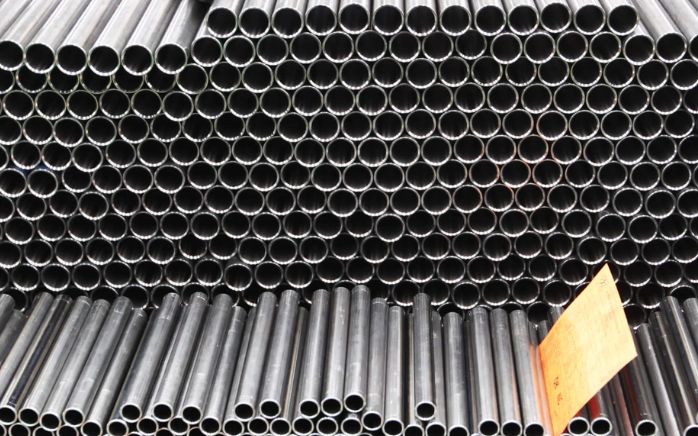
Tubes Manufacturer & Supplier | Stainless Steel, Carbon Steel & Alloy Steel | Pipeco Overseas Inc
 2 yrs
2 yrs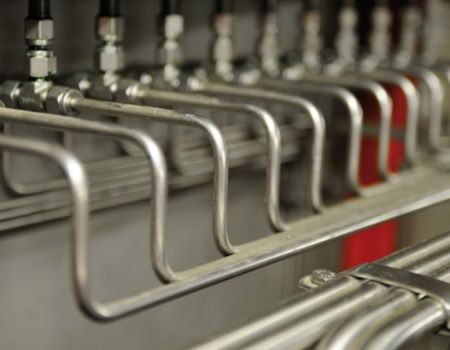
₹36 - ₹109
Min. order: 500 Items
Hydraulic And Instrumentation Tubes Manufacturer & Supplier | Stainless Steel | Pipeco Overseas Inc
2 yrs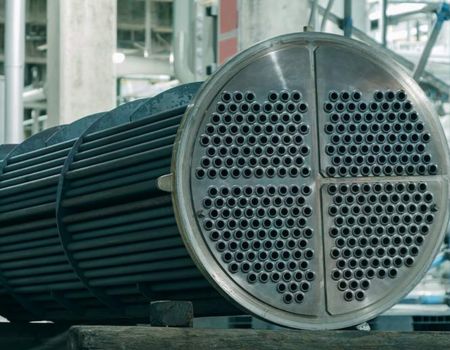
₹109 - ₹182
Min. order: 250 unit
Heat Exchanger Tubes Manufacturer & Supplier | Stainless Steel, Carbon Steel & Alloy Steel | Pipeco Overseas Inc
2 yrs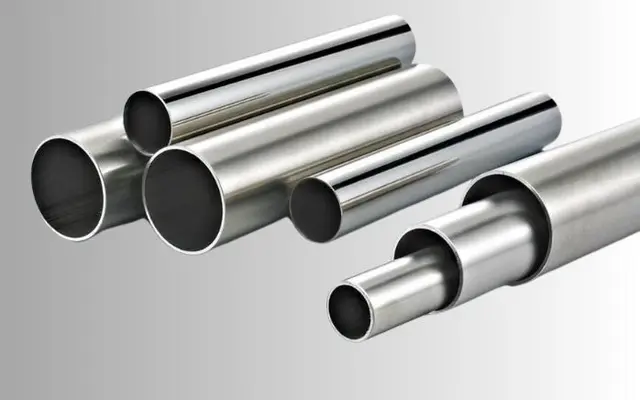
₹27 - ₹100
Min. order: 100 Items
Pipes & Tubes Manufacturer & Supplier | Stainless Steel, Carbon Steel & Alloy Steel | Astromet Steel & Eng
2 yrs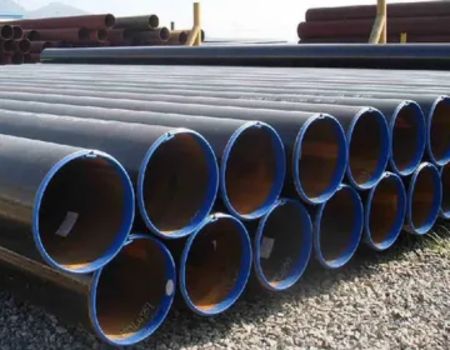
₹9 - ₹23
Min. order: 300 Items
Erw Tubes Manufacturer & Supplier | Stainless Steel, Carbon Steel & Alloy Steel | Reminox Metal And Alloys
2 yrs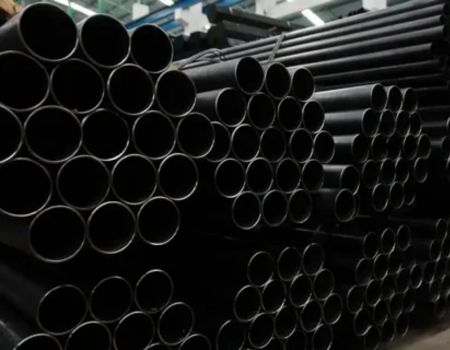
₹27 - ₹64
Min. order: 200 Items
Pipes & Tubes Manufacturer & Supplier | Stainless Steel, Carbon Steel & Alloy Steel | Manidhari Steel & Alloys
2 yrs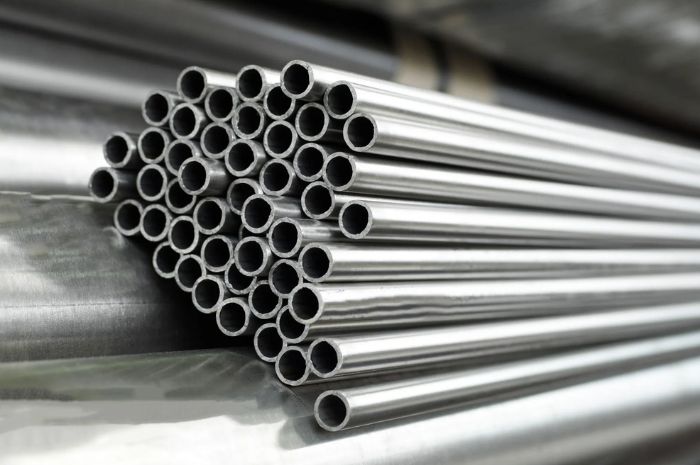
₹64 - ₹100
Min. order: 250 Items
Pipes And Tubes Manufacturer & Supplier | Stainless Steel, Carbon Steel & Alloy Steel | Hind Carbon Alloys
2 yrs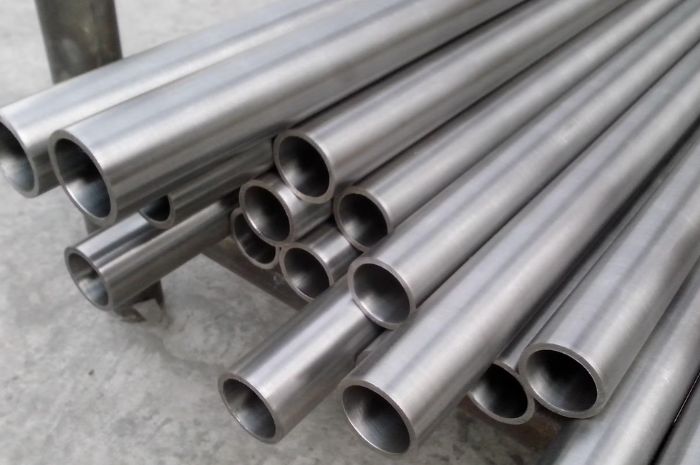
₹100 - ₹182
Min. order: 300 Items
Pipes And Tubes Manufacturer & Supplier | Stainless Steel, Carbon Steel & Alloy Steel | Shree Impex Alloys
2 yrs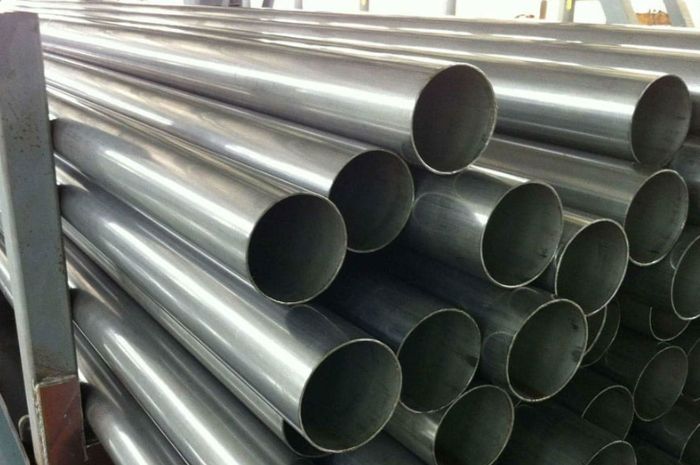
₹32 - ₹59
Min. order: 350 Items
Welded Pipes And Tubes Manufacturer & Supplier | Stainless Steel, Carbon Steel & Alloy Steel | Hind Carbon Alloys
2 yrs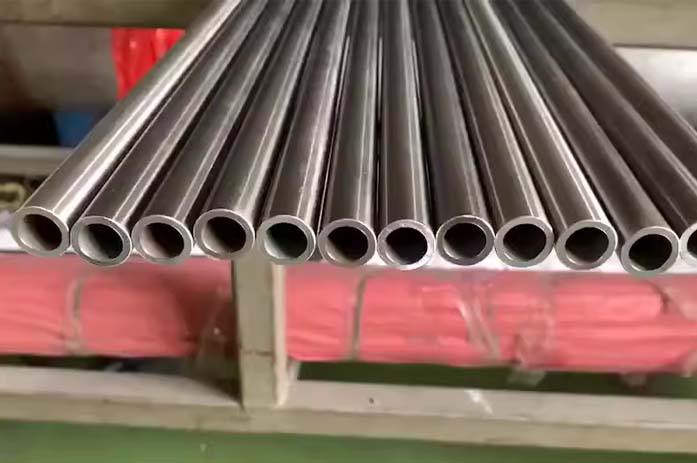
₹68 - ₹95
Min. order: 80 Items
Pipes And Tubes Manufacturer & Supplier | Stainless Steel, Carbon Steel & Alloy Steel | Arvind Pipes
2 yrs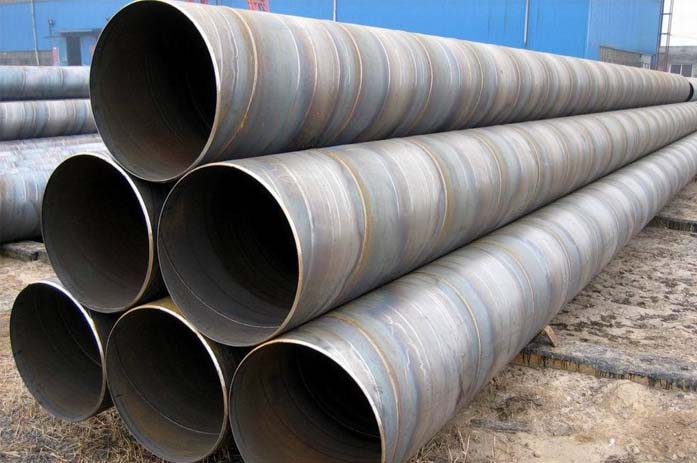
₹14 - ₹32
Min. order: 50 Items
Welded Pipes And Tubes Manufacturer & Supplier | Stainless Steel, Carbon Steel & Alloy Steel | Arvind Pipes
2 yrs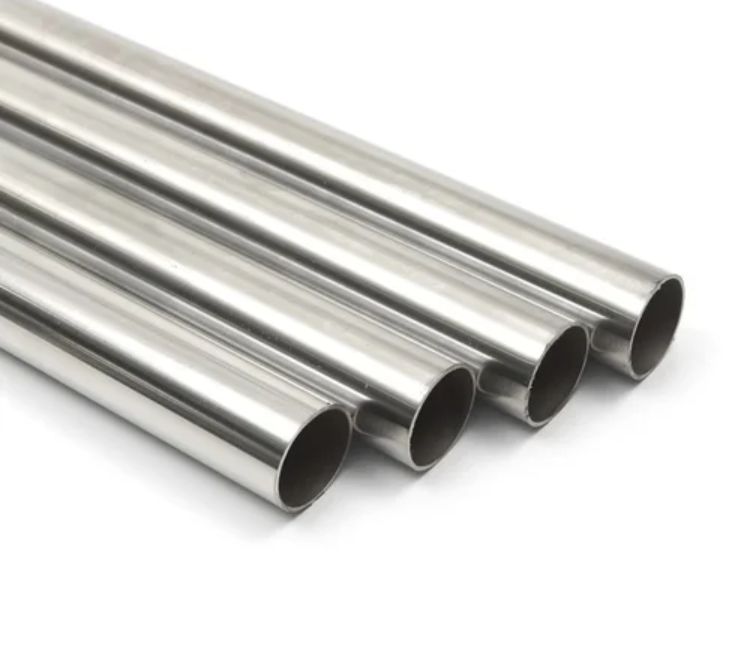
₹45 - ₹136
Min. order: 100 unit
Alloy 926 Pipes And Tubes Manufacturer & Supplier | Alloy 926 | Nippon Alloys Inc
2 yrsIn heavy industry, construction, energy, automotive, HVAC, and infrastructure, the right pipe or tube is never just a commodity. It affects pressure safety, corrosion life, weld quality, inspection pass rates, and delivery dates. That is why buyers look for a
This guide explains what to expect from a modern
What a pipe and tube partner should actually provide
A strong
- Material availability: carbon
steel pipes , alloy, stainless, andaluminum tubes - Forms:
industrial tubes , structural tubes, hydraulic tubing, and precisiontube stock - Manufacturing route guidance: seamless vs welded pipe for pressure, heat, and fabrication
- Value-added services: cutting, beveling, threading, galvanizing, coating, bundling, barcoding
- Documentation: inspection plans, lot tracking, and industrial pipe export documentation
- Logistics: partial loads vs full container loads, grouping, and sea freight packing
If you source across borders, a capable
Pipes vs tubes: quick note for buyers
People often use the terms loosely, but pipes and tubes are not the same in spec or use:
- Pipes use nominal size and schedule, such as NPS with schedule.
- Tubes use outside diameter (OD) and wall thickness, with tighter size limits in many jobs.
In practice, you will see
Product range you should expect (steel, stainless, aluminum)
A good
Carbon steel and alloy
Common in oil & gas, power, refineries, and process lines because they are strong and cost effective. For high heat and high pressure, carbon steel grades under ASTM specs are common.
- Look for a seamless steel pipe manufacturer when high integrity matters.
- Check heat treatment, chemistry limits, and test scope with the MTC.
Stainless steel tubing and corrosion-resistant solutions
When corrosion, hygiene, or easy cleaning matters in food, pharma, chemical lines, or marine use, stainless is a common choice. Work with trusted stainless steel tubing suppliers that can provide full tracking and test records.
Corrosion resistant tubing benefits include:
- Longer service life in harsh media
- Less maintenance and downtime
- Better performance in wet, salty, or chemical settings
- Cleaner inside surfaces for sanitary lines, with the right finish
A strong dealer/exporter should also help match the material to the job. Think welding, bending, chlorides, acids, UV, and wear.
Seamless vs welded pipe: how to decide
One of the most common buy choices is seamless vs welded pipe. Neither is always better. It depends on duty and risk.
Seamless pipe advantages
- No weld seam, often a better fit for severe service
- Good under high pressure and high heat
- A strong choice for critical fluid service and cyclic loads
Welded pipe advantages
- Often cheaper and easier to find in some sizes
- Good for many structural and low-to-medium pressure jobs
- Can be the right fit when lead time and cost matter most
Tip: ask your
Key specifications buyers ask about (ASTM and API)
If you buy for industrial jobs, you will often see ASTM and API specs. Two common ones are:
ASTM A106 pipe specifications (overview)
ASTM A106 is widely used for high-heat service in seamless carbon steel pipe. When a quote uses A106, confirm:
- Grade, often A, B, or C based on strength needs
- Size range and wall/schedule
- Test scope, such as hydro or NDE if asked
- Heat treatment and tracking
Put these in the purchase order and match them to the design code.
API 5L line pipe grades (overview)
For pipelines and line pipe, API 5L line pipe grades like X42, X52, X60, X65, and X70 are common. Check:
- PSL1 vs PSL2
- Sour service needs, if any
- Impact testing, if needed
- Coating and end finish
Tip: if you are not sure, ask your
Pipe sizing essentials buyers get wrong
Wrong sizes cause delays, rework, and errors. Use these tools:
Pipe and tube size chart guide
Keep a pipe and tube size chart guide that lists:
- NPS to OD reference
- Typical schedules and wall thickness
- Tube OD/wall conversions, where needed
- Weight per meter or foot for freight and support planning
Pipe schedule thickness comparison
A fast pipe schedule thickness comparison (Sch 10/40/80/160, and so on) helps teams align:
- Pressure rating assumptions
- Welding methods, since heat input changes with thickness
- Bend radius fit
- Total shipped weight
Tip: ask suppliers to quote OD, ID, and wall along with schedule so fabrication and QA teams avoid mix-ups.
Choosing the best material for high pressure
Many buyers ask for the best pipe material for high pressure. There is no single answer. Pressure is only one part. Think about:
- Design pressure and temperature, which drive allowable stress
- Fluid type: corrosive, sour, erosive, or sanitary
- Joining method: welded, threaded, or flanged
- Inspection level and risk class
- Code rules such as ASME, API, and project specs
In general, high-pressure service often leans toward:
- Seamless carbon steel or alloy steel for strength and heat capacity
- Stainless or alloy materials where corrosion is the main limit
- Thicker schedules when the design calls for them, not guesswork
Ask your
Pipe fittings and fit checks
Even the best pipe can fail a job if
- Check the standard (ASME B16.9/B16.11/B16.5 as needed)
- Match material grade and corrosion allowance
- Verify pressure class and end connections
- Make sure the size match is right: OD, wall, and bevel angle
Tip: buy pipe, fittings, and flanges as one system from a coordinated
Documentation that protects you: MTC, tracking, and export files
Mill test certificate MTC explained
Mill test certificate MTC explained in plain language: an MTC is the mill's certified record of chemical make-up, mechanical properties, heat number tracking, and tests done for one production lot.
Always check:
- Heat numbers on the MTC match the marks on the pipes or tubes
- Spec and grade match the PO
- Test results meet the need: tensile, yield, elongation, impact when needed
- NDE or hydro test notes are included when required
If a supplier cannot give clean, tracked MTCs, treat that as a major risk flag, especially for safety-critical service.
Industrial pipe export documentation (what you'll need)
For export shipments, strong industrial pipe export documentation helps cut customs delays and claim disputes. A typical pack includes:
- Commercial invoice + packing list
- Certificate of origin, when needed
- MTCs and inspection reports
- HS codes and item descriptions that match customs entries
- Shipping docs such as B/L
- Fumigation or ISPM-15 notes for wood packing, where needed
Work with an exporter who can standardize the pack for each destination and Incoterms.
Quality assurance: a procurement checklist that catches problems early
Use this pipe procurement quality checklist before you approve a supplier or release payment:
- Confirm spec + grade + manufacturing route (seamless/ERW/SAW) on the PO
- Check dimensional tolerances and allowed ovality/straightness
- Confirm marking rules (heat no., size, spec, maker)
- Define inspection needs (hydro, PMI, UT/RT, visual, dimensional)
- Require MTCs and lot tracking for every batch
- Approve packing method (bundles, end caps, VCI, seaworthy crates)
- Define pass rules for surface condition and bevel quality
Also ask whether they are ISO certified pipe manufacturers or source from ISO-certified mills. ISO certification is not a full guarantee, but it is a good base for process control and tracking.
Lead time and steady supply: practical solutions
Delays often come from mill schedules, coating queues, inspection bottlenecks, and port congestion. Strong
- Stock programs for common sizes and schedules
- Blanket orders with call-off releases
- Alternate mill approvals with pre-checked equivalents
- Split shipments: partial air or express for critical spools + sea freight for the rest
- Pre-shipment inspection scheduling and combined export packing
Ask your supplier for a timeline that includes:
- Production and processing
- Inspection and document wrap-up
- Port cut-off and sailing date
- Customs clearance assumptions
How to choose pipe supplier : a decision framework
When teams ask how to choose
- Compliance fit: ASTM/API/ASME rules, test ability, and document quality
- Tracking: stable heat number control and MTC reliability
- Capability: size range, schedules, coatings, and value-added work
- Project experience: similar industries and risk level
- Logistics strength: export packing, grouping, and on-time work
- Communication: quick technical replies, clear deviation flow, and change control
- After-sales support: claims handling, replacement policy, and root-cause discipline
If your project spans more than one country, choose a
Final takeaway
A reliable
Estimated article body word count: ~1,930 words.
Q&A
Question: What is the main advantage of choosing an integrated
Short answer: An integrated partner cuts risk across material choice, compliance, inspection, documents, and logistics. The article says pipes and tubes affect pressure safety, corrosion life, weld quality, inspection results, and delivery dates, so the best supplier should do more than quote price. They should support specs, MTC tracking, export docs, packing, value-added work, and lead-time planning.
Question: When should buyers consider seamless pipe instead of welded pipe?
Short answer: Seamless pipe is often the better fit for severe service, high pressure, high heat, critical fluid service, and cyclic loads because it has no weld seam. But it is not always the best choice. Welded pipe can be cheaper and easier to find for many structural or low-to-medium pressure jobs, so the choice should follow code, pressure class, inspection needs, duty, and risk.
Question: Why are MTCs and heat number tracking so important in pipe procurement?
Short answer: A mill test certificate, or MTC, gives proof of chemical make-up, mechanical properties, heat number tracking, and tests done for one production lot. Buyers should check that the heat numbers on the MTC match the pipe or tube marks, that the grade and spec match the purchase order, and that needed tests such as hydro, NDE, tensile, yield, elongation, or impact testing are included. Missing or unclear MTCs are a major risk flag, especially for safety-critical jobs.
Question: What information should buyers confirm to avoid pipe and tube sizing errors?
Short answer: Buyers should check NPS, OD, ID, wall thickness, schedule, tube OD/wall conversions where needed, and weight per meter or foot. The article recommends a pipe and tube size chart guide and a pipe schedule thickness comparison to avoid mix-ups between procurement, fabrication, QA, and logistics teams. Asking suppliers to quote OD, ID, and wall along with schedule helps cut rework and errors.
Question: What should be included in export documentation for industrial pipe shipments?
Short answer: Typical export docs include a commercial invoice, packing list, certificate of origin when needed, MTCs, inspection reports, HS codes, customs-matched item descriptions, shipping docs such as B/L, and fumigation or ISPM-15 notes for wood packing where needed. The article recommends working with an exporter who can standardize the document pack by destination and Incoterms to reduce customs delays and disputes.