View By:
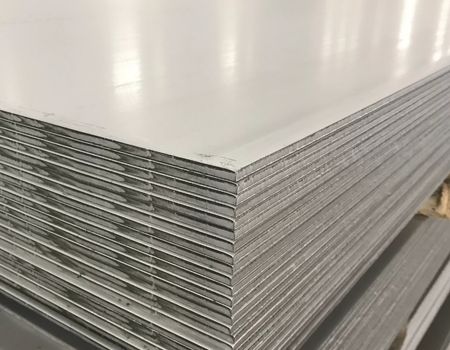
₹14 - ₹105
Min. order: 450 sheet
Inconel Sheet Manufacturer & Supplier Astm B168 Inconel 600 Grade Sheets | R H Alloys
 2 yrs
2 yrs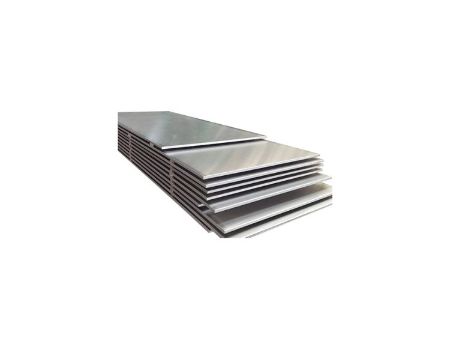
₹23 - ₹170
Min. order: 150 sheet
Stainless Steel 310s Sheet Manufacturer & Supplier| Astm A240 310s | Metal Supply Centre
2 yrs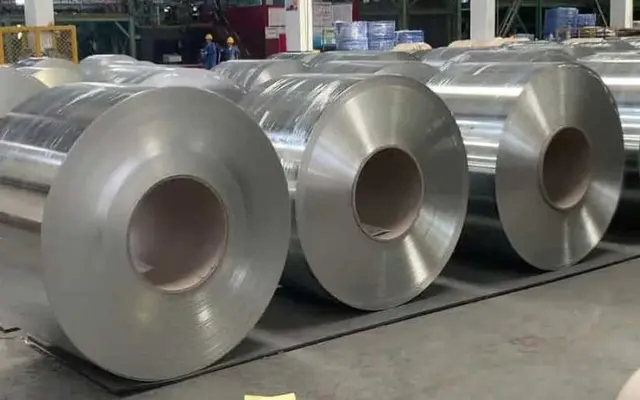
₹159 - ₹182
Min. order: 170 coil
Stainless Steel 317 Coils Manufacturer, Supplier & Exporter | Astm A240 Uns S31700 Austenitic Stainless Coils| Metal Supply Centre
2 yrs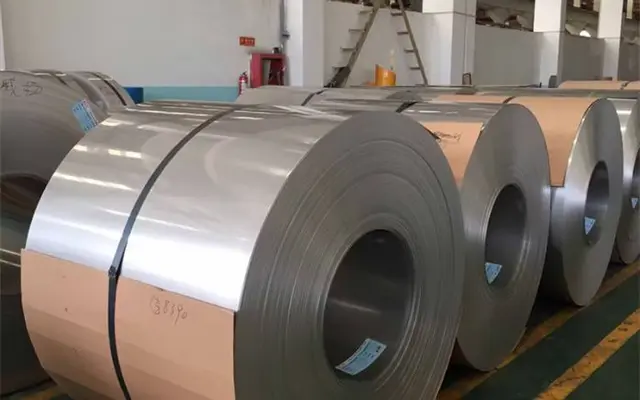
₹91 - ₹182
Min. order: 100 Items
Stainless Steel 301ln Coils Manufacturer, Supplier & Exporter | Ss 301ln, Ss 304 & Ss 316 Coils| Metal Supply Centre
2 yrs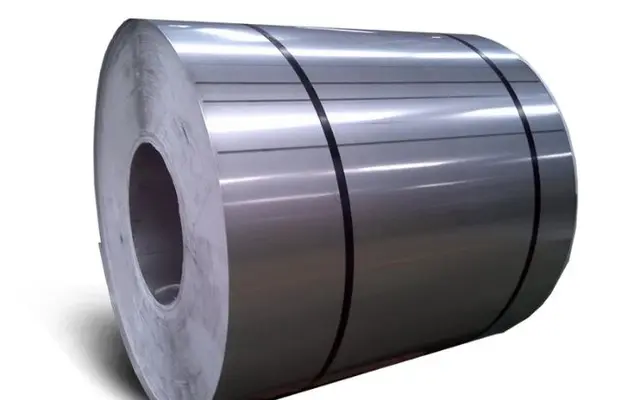
₹146 - ₹164
Min. order: 200 coil
Stainless Steel 409 Coils Manufacturer & Supplier | Astm A240 Uns S40900 Ferritic Stainless Coils | Metal Supply Centre
2 yrs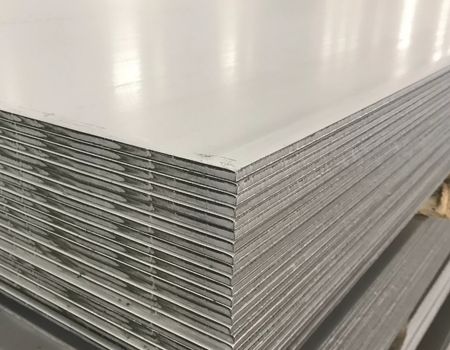
₹77 - ₹167
Min. order: 100 sheet
Stainless Steel Sheet Manufacturer & Supplier In India | Astm A240 304 316 And 310 Grade Sheets | R H Alloys
2 yrs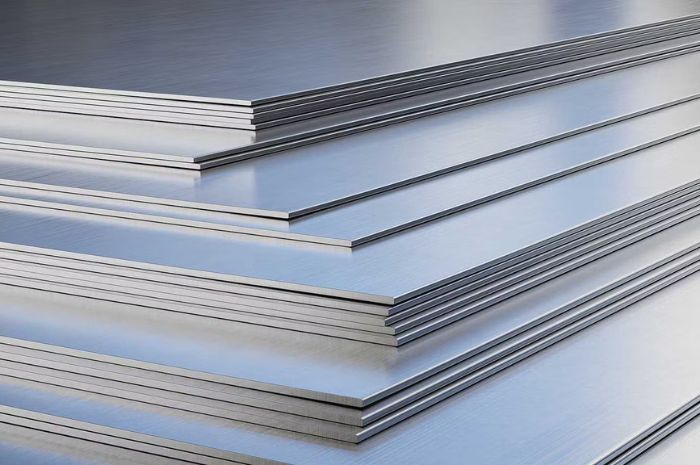
₹39 - ₹165
Min. order: 100 sheet
Corrosion Resistant Ss 304 L Ss 316 L Sheets From A Stainless Steel Sheet Manufacturer, Supplier And Exporter In Dubai | Metal Supply Centre
2 yrs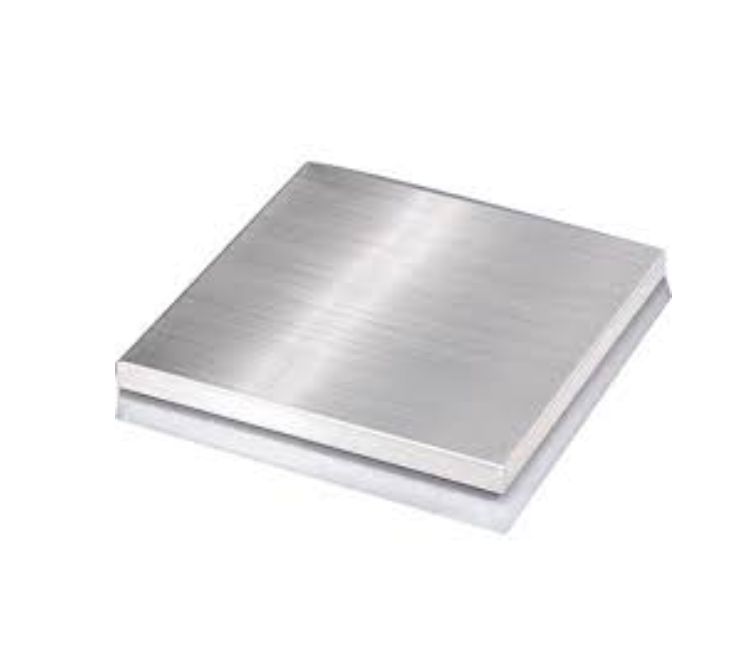
₹77 - ₹180
Min. order: 100 Items
Sheet Manufacturer & Supplier In India, Premium 3003, 5052 & 6061 | Metal Supply Centre
2 yrs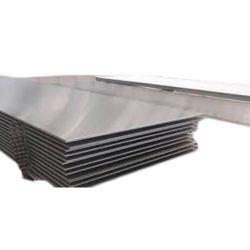
₹114 - ₹159
Min. order: 20 sheet
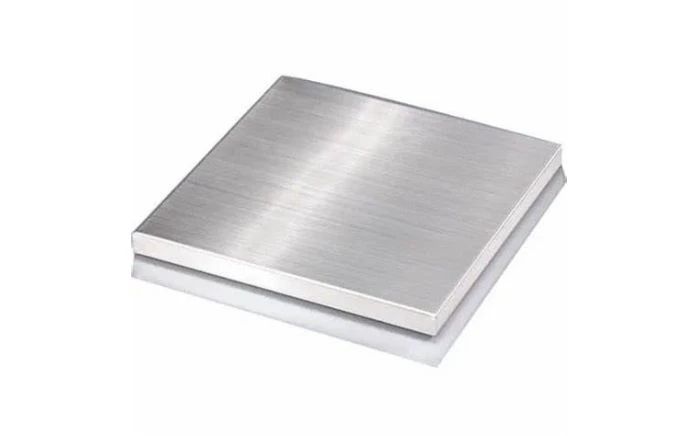
Monel Plates Manufacturers & Supplier | Astm B127 / Asme Sb127 Standard Plates | United Stainless Llp
2 yrsLooking For High Quality Monel Plates? United Stainless Llp Supplies Astm B127 / Asme Sb127 Monel Plates For Chemical Processing, Marine, Offshore And Industrial Applications Worldwide.
₹49 - ₹89
Min. order: 50 plate
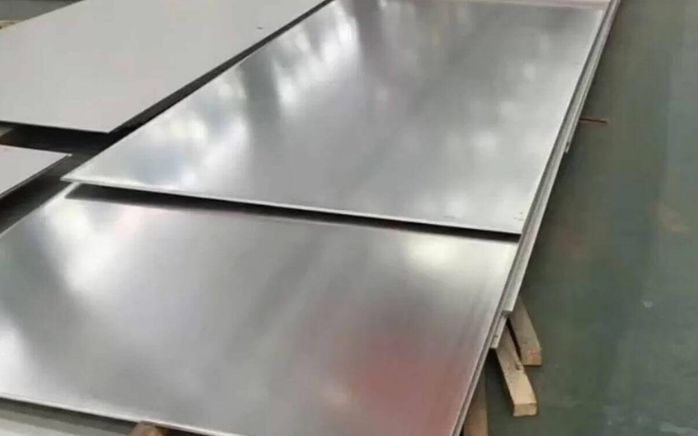
Nickel Alloy Plates Manufacturer In India–high Performance Nickel Alloy Plates | Inox Steel India
2 yrsLooking For High Quality Nickel Alloy Plates? Inox Steel India Supplies High Performance Nickel Alloy Plates For Chemical, Marine, Aerospace, Power Generation And Industrial Applications.
₹75 - ₹164
Min. order: 50 sheet
High Quality Hastelloy B2 Sheet Manufacturer & Supplier | Industrial Grade Hastelloy Sheets | Inox Steel India
2 yrs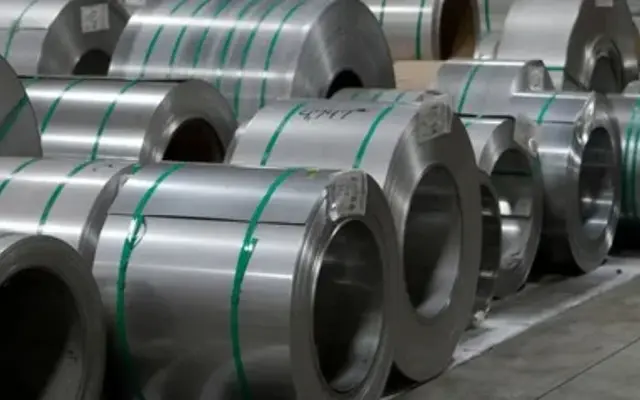
₹9 - ₹82
Min. order: 200 Items
Stainless Steel 201 Coil Manufacturer & Supplier | Suresh Steel Centre
2 yrsIf you buy steel or aluminum in volume, the market can feel crowded. The hard part is finding a sheet plate coil manufacturer supplier dealer exporter that can deliver the right grade, the right tolerance, the right papers, and steady lead times. You may need one trial lot or a long supply plan.
This guide is for buyers, fabricators, EPC teams, OEMs, and traders. It gives clear advice on sheet, plate, and coil; mill or stockist choice; specs; docs; and risk control.
Basics: sheet, plate, and coil
Before you compare vendors, clear up the plate vs coil difference. Form changes price, stock, processing, and fit for fabrication.
Sheet vs plate
- Sheet: a thin flat product, often cut from coil. It is common for enclosures, ducts, panels, auto parts, and light fab.
- Plate: a thicker flat product. It is common for frames, base plates, tanks, and load-bearing parts.
In many markets, sheet is often up to about 3-6 mm and plate starts above that. The cut line can change by mill and region. State the exact thickness in mm or inches.
Coil vs cut length
- Coil: a long rolled strip wound into a coil. It is good for slitting, roll forming, stamping, and CTL lines.
- Sheet or plate cut from stock: cut pieces from a mill or CTL line. It is good for laser, plasma, waterjet cutting, machining, welding, and one-off fab.
If you choose between coil and cut plate, watch these cost drivers:
- Yield
- Setup cost
- Handling and storage
- Flatness needs
- MOQ and lead time
What manufacturer, supplier, dealer, exporter means
The phrase sheet plate coil manufacturer supplier dealer exporter can cover several jobs. Knowing the real role helps you judge skill and risk.
Manufacturer
A mill or integrated producer usually controls:
- Melting and chemistry
- Rolling schedules
- Heat treatment, where needed
- Primary QA and lot tracking
- MTC issue
Best for:
- Large projects
- Tight specs and tracking
- Long-term contracts
Supplier or stockist
A service center or distributor usually offers:
- Stock on hand
- Mixed size and grade sourcing
- Faster dispatch for urgent jobs
- Value-added work like slitting, leveling, shearing, and plasma or laser cutting
Best for:
- Smaller lots
- Multi-grade orders
- Short lead times
- Fabricators who need ready-to-use blanks
Dealer or trader
A dealer or trader usually adds:
- Market access
- Sourcing across regions
- Order pooling and logistics support
Best for:
- Export programs
- Hard-to-find items
- Price gaps between markets
Exporter
A capable exporter handles:
- Sea-freight packing
- Export papers and compliance
- Clear Incoterms such as EXW, FOB, CFR, CIF, and DDP
- Port timing and buffer time
A reliable steel plate sheet and coil supplier will say if the metal is mill-direct or sourced through other channels, and will still stand behind the docs and quality.
How to choose the right material
If you ask what the best steel plate for fabrication is, the answer depends on shape, weld, load, rust risk, and code.
Common carbon steel needs
- ASTM A36 plate requirements often show up in general fab and structural plate orders because the plate is easy to buy and welds well.
- European jobs may use EN 10025 steel plate standards. Buyers should check the exact part and delivery state.
Use cases:
- Base frames and brackets
- General welded structures
- Platforms, supports, and gussets, based on design
When rust resistance matters
Look at corrosion resistant sheet metal options:
- Stainless steels, such as 304 and 316
- Aluminized or galvanized steels
- Weathering steels, where the design allows it
- Aluminum alloys for light weight and rust resistance
If you source non-ferrous metal, a good aluminum plate supplier matters. Temper, flatness, and surface protection can change the final part.
Hot rolled vs cold rolled coil
The hot rolled vs cold rolled coil choice affects finish, size control, shape, and cost.
Hot rolled coil
Pros:
- Lower cost, in general
- Good for structure and many fab jobs
- Often easier to find in heavier gauges
Watch for:
- Rougher surface and scale
- Wider size limits than cold rolled
- Flatness that may need leveling
Cold rolled sheet or coil
Pros:
- Better surface finish
- Tighter size control
- Improved flatness and bend ease for many uses
Watch for:
- Higher cost, in general
- Not always available in very thick gauges
If your drawings need tight gauge control, spell out cold rolled sheet specs: thickness, width, tolerance, surface, and any coating or oiling.
Stainless steel coil grades explained
Stainless is not one material. Chemistry, rust resistance, and strength vary a lot. Here is a simple way to read stainless steel coil grades explained.
Common families
- Austenitic, such as 304 and 316
- Strong general rust resistance
- Good form and weld response
- Non-magnetic, though cold work can change that
- Ferritic, such as 430
- Lower cost for indoor or cosmetic use
- Moderate rust resistance
- Magnetic
- Martensitic, such as 410
- Higher hardness potential
- Used for wear and strength needs
- Lower rust resistance than 304 or 316
When you source stainless coil or sheet, state:
- Grade and L version, if welding is critical
- Finish, such as 2B, BA, or No.4
- PVC film needs, if any
- Edge condition and flatness class
Plate thickness tolerance chart: what to ask for
Buyers often miss the tolerance talk until parts do not fit. You may not need a real plate thickness tolerance chart in the PO, but you do need a clear rule.
Best practice for tolerances
In your RFQ or PO, include:
- Thickness, width, and length
- Tolerance standard, such as ASTM, EN, ISO, or mill standard
- Flatness need, especially for laser cutting and machining
- Edge condition, such as mill edge, slit edge, or sheared edge
- Camber or bow limits for long pieces or strips
If the supplier cannot state the tolerance basis in writing, treat that as a risk flag. This matters most for CNC plates, pressure parts, and precision assemblies.
Standards that matter in global sourcing
If your project is inspection-heavy or cross-border, these standards come up often.
ASTM A36 plate requirements
A36 is widely used for structural plate. Check:
- Thickness range and stock
- Chemistry and mechanical limits in the latest standard named in the contract
- Test count and lot tracking
EN 10025 steel plate standards
EN 10025 is a family. Buyers should state:
- The exact part, such as EN 10025-2 for non-alloy structural steel
- Grade, such as S355
- Impact level, such as JR, J0, or J2
- Delivery state, such as as-rolled, normalized, or thermo-mechanically rolled, where allowed
A good steel plate supplier guide should show how to match the standard to the mill route, not just the nearest grade.
Documentation and tracking that protect you
Paperwork is part of product quality. Always plan for mill test certificate MTC verification, especially for structural jobs, pressure work, audits, or export checks.
What to check in an MTC
- Heat number and product ID
- Standard and grade named in the certificate
- Chemical and mechanical test results
- Size and weight
- Test method and mill name
- Stamp or signature, where needed
Practical checks
- Match the heat number on the tag or stencil to the MTC
- Confirm the revision year on the standard
- Watch for typical values versus tested values
- For critical jobs, use third-party inspection before dispatch
A trusted sheet metal supplier or steel sheet supplier will treat MTC requests as normal work, not a burden.
Coil processing services that lower total cost
Service centers can do more than sell steel. If you buy coil, ask about processing. It can cut labor, scrap, and lead time.
Steel coil slitting service benefits
Slitting turns a master coil into narrower coils that fit your line or nesting plan. Key steel coil slitting service benefits include:
- Better yield and less scrap
- Faster downstream work with the right width
- Less handling and fewer cut steps
- More even edges, when tooling is right
Other common value-added services
- Cut-to-length sheets
- Leveling or tension leveling for flatness
- Shearing and edge trim
- Blanking, laser cutting, or plasma cutting for plate
- Export packing, rust paper, and edge protection
A strong metal coil supplier will ask about your downstream process, such as press line, roll forming, laser, and bend radius, before they suggest a coil route.
MOQ, lead times, and buying plan
Coils and plate can have very different buying rules. If you are planning procurement, sort out these points early.
Minimum order quantity steel coils
Minimum order quantity steel coils may depend on:
- Mill policy, often full coils or a minimum tonnage per size and grade
- Width and thickness mix
- Whether the supplier can split coils or offer part coils
- Ex-stock availability
If you cannot hit mill MOQ, consider:
- Buying from a stockist or service center
- Using slit coils from master coils
- Pooling demand across projects
Lead-time checklist
When you compare quotes, ask:
- Is the stock ex-stock or rolling production?
- If rolling, when is the mill window?
- How long will slitting, CTL, or leveling take?
- What is the transport plan and buffer time?
Hot rolled coil sourcing tips
Price alone does not win, especially if your line stops. Use these hot rolled coil sourcing tips to cut risk.
- Set the end-use need
- If you need steady forming, state the mechanical range, not just HRC.
- Set surface and edge needs
- Ask if the coil is pickled and oiled when scale removal matters.
- Confirm ID and max coil weight
- This protects your decoiler and handling gear.
- Set packing rules
- Export packing, rust control, and edge protection should be clear.
- Ask for samples or a trial lot
- For new suppliers, run a test before you commit to large tonnage.
These steps separate a basic quote from a real sourcing plan with a trusted steel plate sheet and coil supplier.
How to choose steel stockist
Picking the right stockist or service center often decides whether production runs well or turns into rework. If you are asking how to choose steel stockist, use this checklist.
Capability and inventory
- Do they stock your common grades and sizes?
- Can they supply sheet, coil, and plate in mixed orders?
- Do they offer slitting, CTL, leveling, or cutting?
Quality and compliance
- Do they have written QA steps?
- Will they provide MTCs and support tracking?
- Do they know ASTM and EN rules and tolerances?
Commercial clarity
- Do they quote ex-works or delivered?
- What is their claims process if the material is off spec?
- Do they give realistic lead times and buffer time?
Communication
- Can they discuss specs, not just price?
- Do they send updates and shipment tracking?
- Will they share photos, tags, and packing details before dispatch?
A dependable steel sheet supplier or steel plate supplier should work like part of your buying and quality team.
Matching material to fabrication
Even a good grade can fail if the form and process do not fit the job.
Example 1: Laser cutting and welding heavy brackets
- Use plate with known flatness and stable thickness
- Confirm the tolerance basis to avoid fit-up surprises
- Choose the grade for weld and strength
This is where general-use grades like A36 often work, when the engineering need allows it.
Example 2: Roll-formed channels from coil
- Coil consistency matters more than one-time tensile data
- State thickness, width, ID, camber limits, and surface state
- Consider slitting to exact width to improve yield
Example 3: Outdoor enclosures in coastal areas
- Use stainless or aluminum instead of painted mild steel, when needed
- Match finish and film to forming and handling
- Make sure the packing blocks transit rust
These are classic cases where hot rolled vs cold rolled coil choices and rust choices change life-cycle cost, not just buy price.
What to include in your RFQ or PO
To get apples-to-apples quotes from any sheet plate coil manufacturer supplier dealer exporter, include:
- Product form: sheet, plate, or coil
- Grade and standard: ASTM, EN, or other, with revision year if needed
- Dimensions: thickness × width × length, or coil width and ID or OD limits
- Quantity: tons or pieces, plus any split shipment rule
- Tolerances: thickness, width, length, flatness, and camber
- Surface or finish: HR, P&O, CR, galvanized, stainless finish, aluminum temper, and more
- Edge: mill edge, slit edge, or sheared edge
- Processing: slitting, CTL, leveling, cutting, or deburring
- Documentation: MTC required, plus any TPI needs
- Packing: domestic or export seaworthy packing, rust control
- Incoterms and destination
- Acceptance rules and claims process
This one list can cut RFQ cycles and improve quote accuracy.
Conclusion
The best supply chains treat sourcing as a repeatable system: correct specs, clear tolerances, checked documents, and supplier accountability. Whether you work with a sheet plate coil manufacturer supplier dealer exporter or a local service center, put capability, tracking, and process support first.
Takeaway: use ASTM and EN rules, confirm tolerances, insist on mill test certificate MTC verification, and use slitting or leveling to lower total cost and risk. The right steel plate sheet and coil supplier becomes a partner in uptime, yield, and quality.
Q&A
Question: When should a buyer choose a mill-direct manufacturer instead of a stockist or service center?
Short answer: Choose a mill-direct manufacturer when the order is large, the spec is tight, or the job needs strong tracking from melt through rolling, testing, and MTC issue. A stockist or service center is usually better for smaller lots, mixed grades, urgent dispatch, or value-added work such as slitting, leveling, CTL sheets, or cutting.
Question: Why is stating thickness more reliable than using the words sheet or plate?
Short answer: The cut line between sheet and plate can vary by mill, region, and market habit. Because of that, words alone can cause confusion in quoting, tolerances, processing, and inspection. The safer choice is to state the exact thickness in mm or inches, plus width, length, tolerance standard, flatness, and edge condition.
Question: What should be checked before accepting material with an MTC?
Short answer: Match the heat number on the tag or stencil to the MTC, confirm the grade and standard match the PO, review the chemical and mechanical test results, and check that the revision year of the standard is correct. For critical jobs, third-party inspection before dispatch can reduce the risk of bad material.
Question: How can coil processing lower the total cost of a steel order?
Short answer: Coil processing such as slitting, cut-to-length, leveling, and edge trim can reduce scrap, improve yield, speed downstream work, and deliver material in a form that is closer to the buyer's real need. The lowest raw price may not be the lowest total cost if you still need extra labor to fix width, flatness, or handling problems.
Question: What information should go in an RFQ to get accurate sheet, plate, or coil pricing?
Short answer: A strong RFQ should include product form, grade and standard, dimensions, quantity, tolerances, surface or finish, edge condition, required processing, documentation such as MTCs, packing rules, Incoterms, destination, and acceptance criteria. Giving these details up front helps suppliers quote well and reduces delays, revisions, and disputes.