View By:
₹77 - ₹105
Min. order: 60 Items
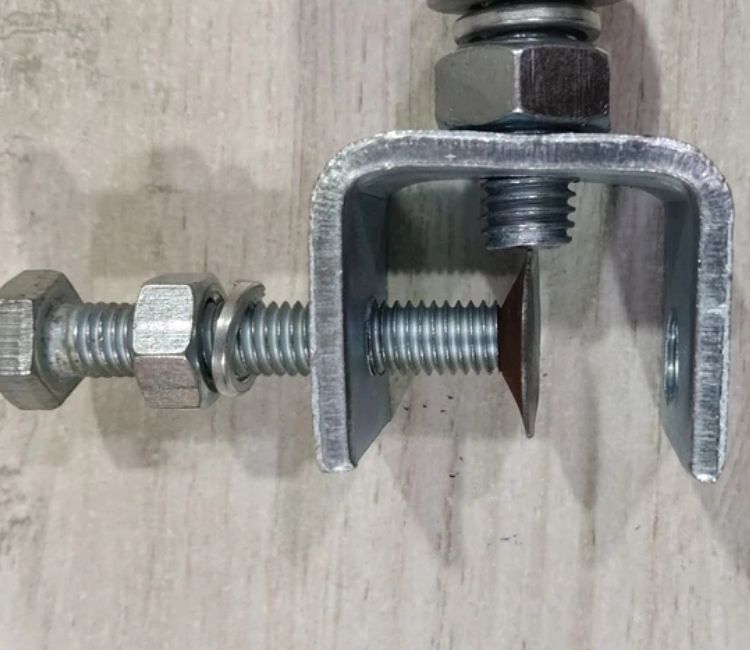
Clamps Manufacturer & Supplier | Ladhani Metal Corporation
 2 yrs
2 yrs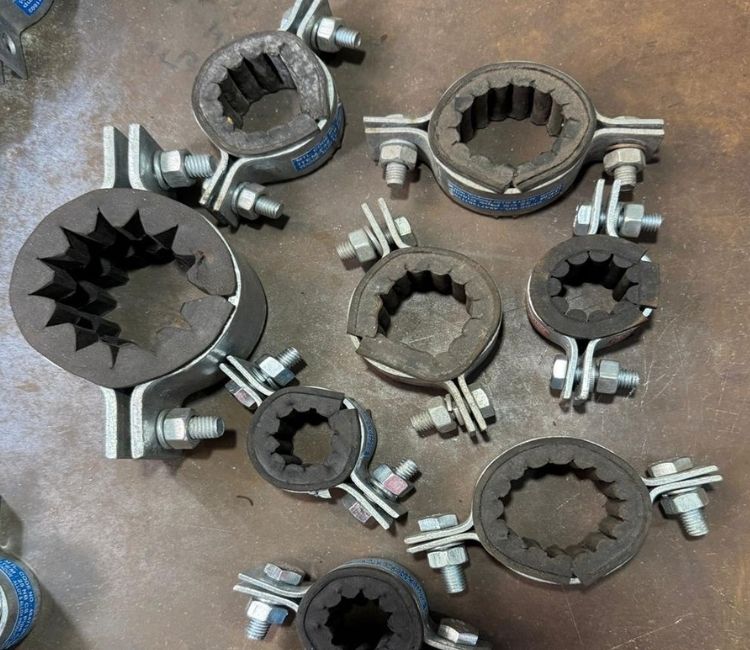
₹59 - ₹86
Min. order: 70 Items
Pipe Clamps Manufacturer & Supplier | Ladhani Metal Corporation
2 yrs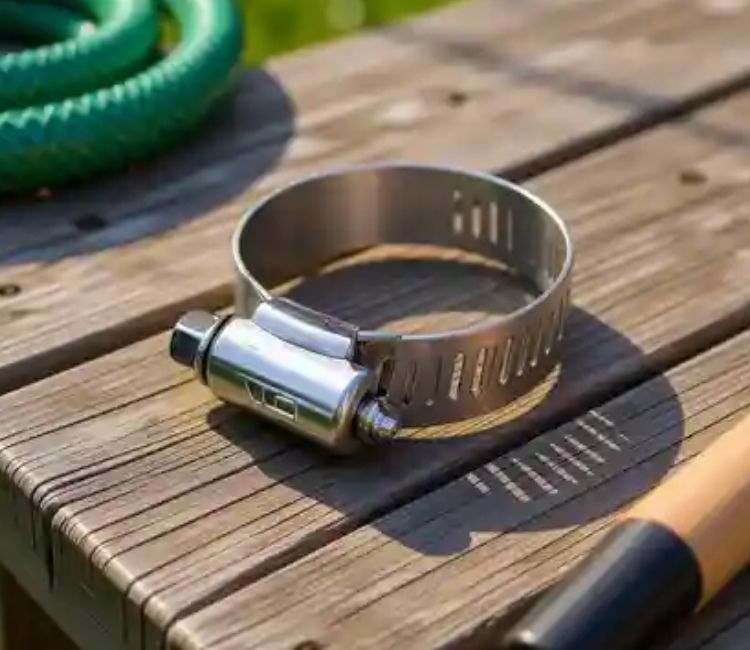
₹136 - ₹318
Min. order: 200 piece
Hose Clamps Manufacturer & Supplier | Ladhani Metal Corporation
2 yrs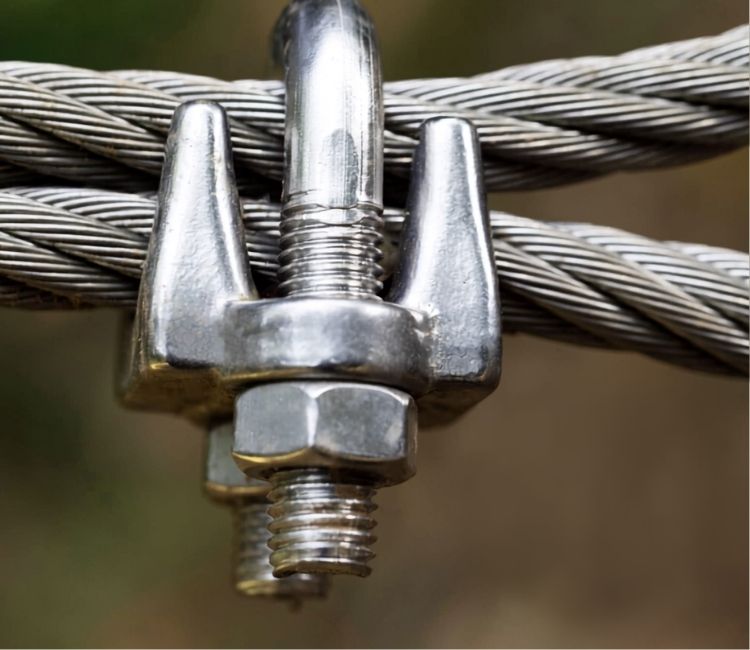
₹51 - ₹171
Min. order: 100 Items
Wire Rope Clamps Manufacturer & Supplier | Ladhani Metal Corporation
2 yrs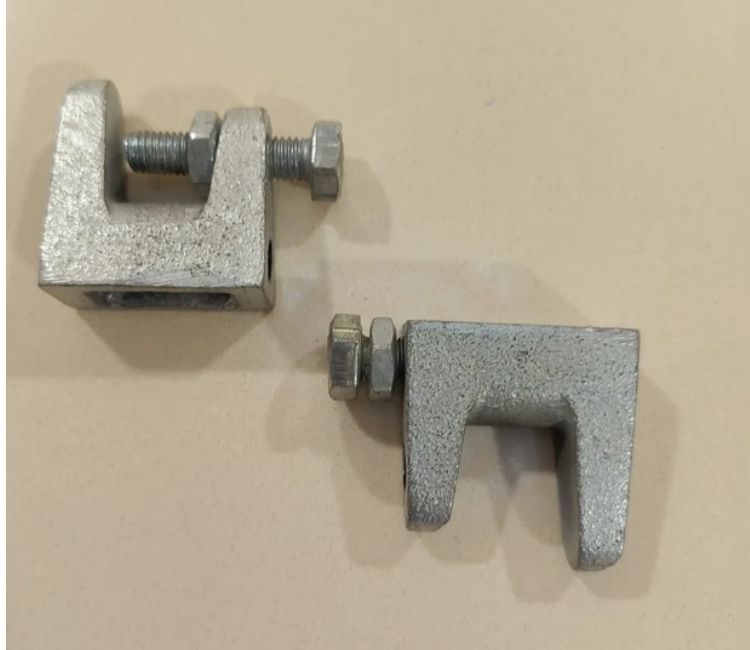
₹61 - ₹157
Min. order: 100 Items
Beam Clamps Manufacturer & Supplier | Ladhani Metal Corporation
2 yrs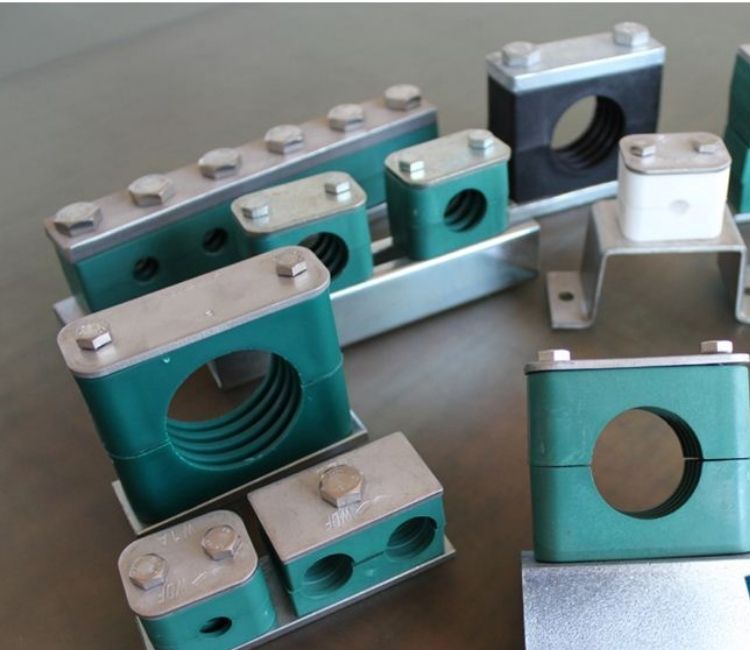
₹14 - ₹170
Min. order: 100 Items
Tube Clamps Manufacturer & Supplier | Ladhani Metal Corporation
2 yrs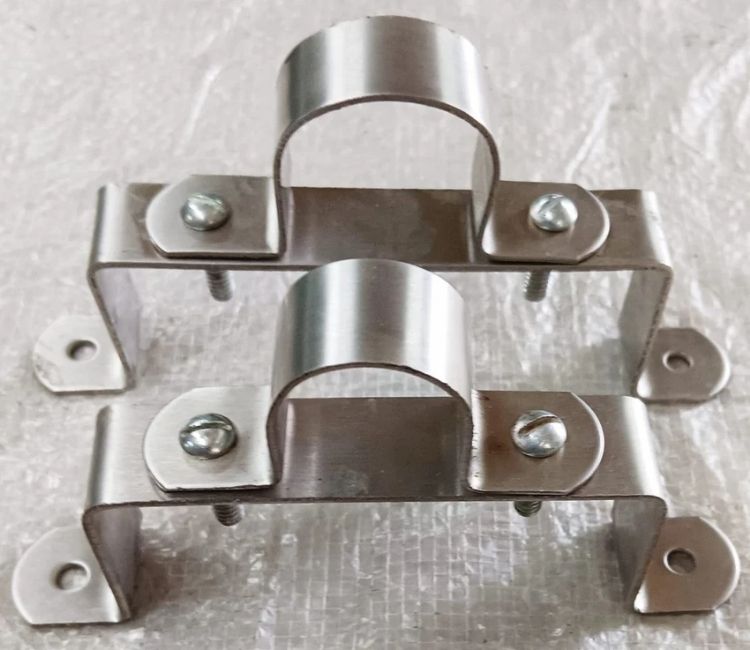
₹12 - ₹165
Min. order: 50 piece
Stainless Steel Clamps Manufacturer & Supplier | Ladhani Metal Corporation
2 yrs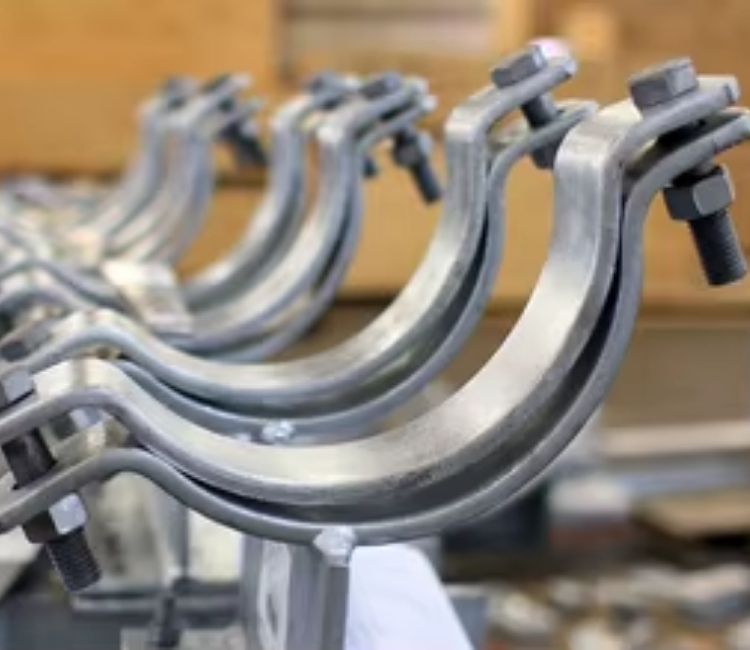
₹32 - ₹156
Min. order: 50 Items
Stainless Steel 316 Clamps Manufacturer & Supplier | Ss 316 Clamps | Ladhani Metal Corporation
2 yrs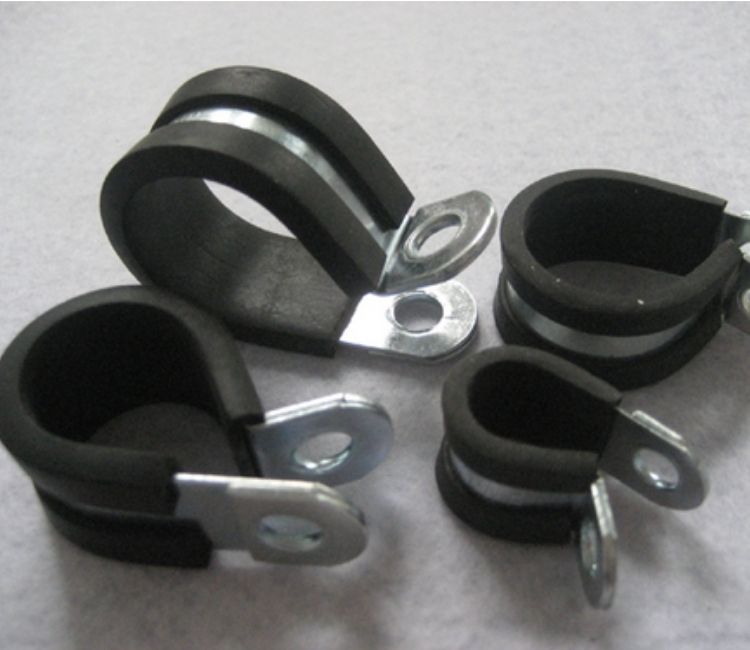
₹59 - ₹169
Min. order: 100 Items
Aisi 1018 Carbon Steel Clamps Manufacturer & Supplier | Astm A108 Carbon Steel Clamps | Ladhani Metal Corporation
2 yrs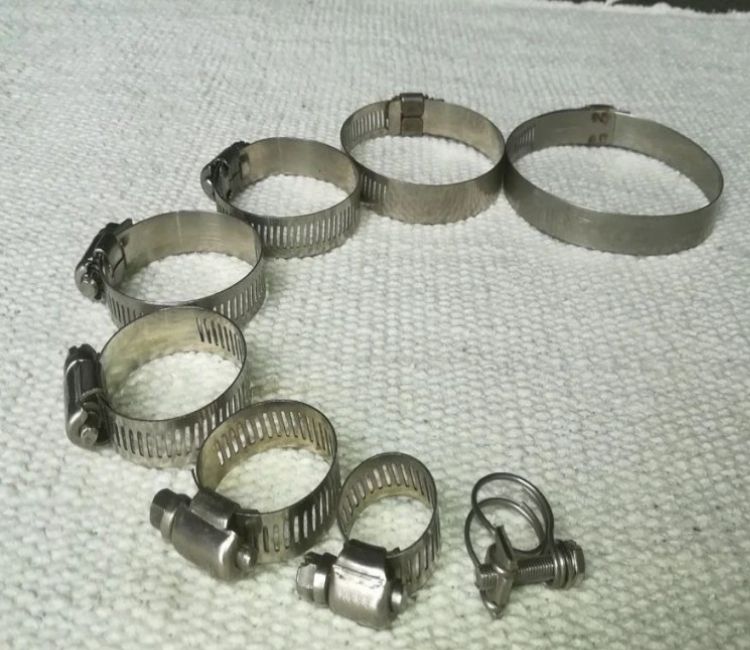
₹47 - ₹152
Min. order: 50 Items
Stainless Steel 304 Clamps Manufacturer & Supplier | Ss 304 Clamps | Ladhani Metal Corporation
2 yrs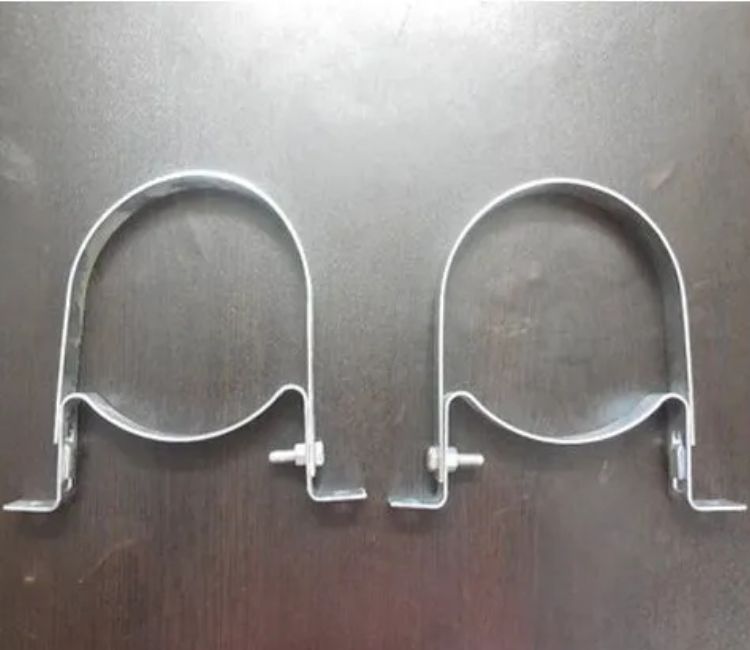
₹44 - ₹151
Min. order: 100 Items
Electro Galvanized Steel Clamps Manufacturer & Supplier | Ladhani Metal Corporation
2 yrs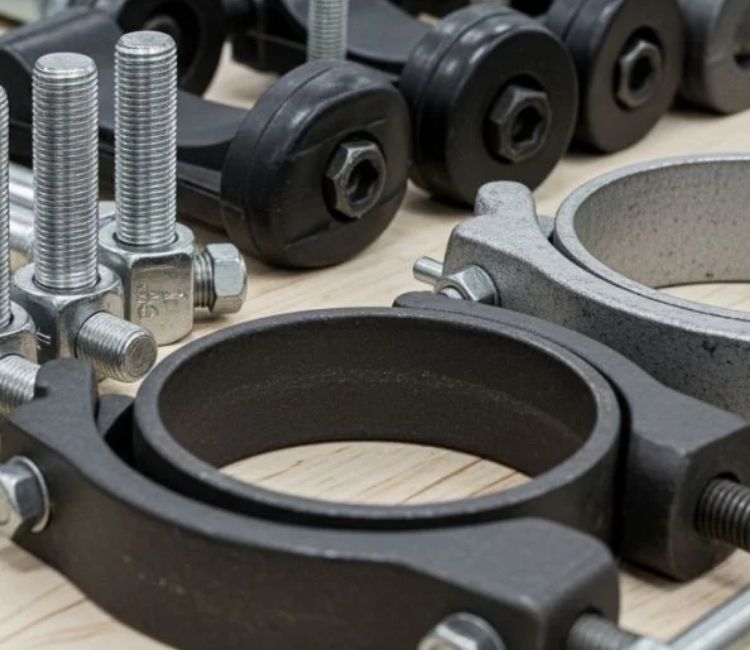
₹13 - ₹166
Min. order: 100 Items
Astm A36 Carbon Steel Clamps Manufacturer & Supplier | Astm A36 Clamps | Ladhani Metal Corporation
2 yrsBuying the right
Why source from a stainless steel clamps manufacturer dealer exporter supplier ?
A qualified
What you should expect:
- Stable
clamp production with repeatable batches and set tooling - Access to
custom clamps and custom stainless steel clamp fabrication for odd sizes or mounts - Material choices across corrosion resistant clamp materials such as 304 and 316
- A wider range that works with
stainless fasteners and similar parts - Export papers and help with stainless steel clamp export documentation
Common stainless steel clamp uses, and why steel grade matters
Stainless clamps are used anywhere you need a tight, serviceable joint that resists rust, heat, and shake. Common uses include:
- Water and plumbing lines
- Air and pneumatic systems
- Marine bilge and seawater systems
- Irrigation and farm gear
- Chemical transfer and process piping
- Food and drink washdown areas
When buyers compare
- Wet or salty sites
- Washdown and cleaning cycles
- Long service life with fewer rust issues
Galvanized may fit:
- Short-term use
- Indoor, low-humidity spaces
- Lowest upfront cost, with higher lifecycle risk
Industrial stainless steel clamp types
Knowing industrial stainless steel clamp types helps you match the clamp to pressure, shake, and access.
Worm-drive clamps
If you have used a screwdriver or nut driver to tighten a band clamp, you have used a worm-drive clamp. For buyers asking what are worm drive clamps, they are:
- A band clamp with a screw that drives a worm gear housing
- Designed for quick assembly and adjustment
- Common in plumbing, auto, and general industrial work
When you choose worm-drive clamps, specify:
- Band width and thickness
- Housing material, all-stainless or mixed
- Torque limits to avoid hose damage
Heavy-duty clamps and industrial clamps
For higher loads and more shake,
- T-bolt clamps
- Heavy-band worm clamps
- Reinforced housings
- Liners or edge treatment that protect hoses
These work well when a standard worm-drive clamp could loosen or distort the band.
Metal clamps for pipes and mounts
For fixed routing and support:
Metal clamps such as pipe clamps, cushioned clamps, and saddle clamps help secure lines to frames.- Buyers often search for stainless steel pipe clamp suppliers when they retrofit process lines, ship systems, and outdoor conduit.
Material selection: 304 vs 316 stainless
The most common clamp grades are 304 and 316.
304 stainless steel hose clamps
304 is a strong general-purpose choice for indoor and mild outdoor use. If your list includes
316 stainless steel hose clamps
If you need marine grade
Simple rule:
- Choose 304 for general indoor or controlled settings.
- Choose 316 for marine, coastal, chemical, or frequent washdown use.
Sizes and sourcing examples buyers ask for most
A good supplier should cover standard and special sizes for OEM and maintenance work. Common requests include:
1 inch stainless steel hose clamps manufacturer for small hoses and tubing2 stainless steel hose clamps manufacturer for mid-range industrial and plumbing use10 inch stainless steel hose clamps manufacturer for large hose, duct, and line work
To cut downtime, use stocking plans such as:
- Bin stocking or vendor-managed inventory
- Mixed-size maintenance kits
- Line-side kitting by SKU for assembly stations
How to measure clamp size
If you have ever received clamps that almost fit, the size check was probably wrong. Here is how to measure clamp size the right way:
- Measure the outside diameter, or OD, of the hose after it is installed over the fitting.
- If the hose is not installed yet, measure:
- Hose inner diameter, or ID
- Fitting or barb OD
- Expected hose growth once seated
- Pick a clamp with a working range that puts your OD near the middle, not the edge.
Tips:
- Do not size only by hose ID. The installed OD is what the clamp wraps.
- For soft hoses, avoid oversizing. It raises the risk of uneven pressure.
- For rigid tubing, check tolerance and ovality.
Best stainless steel clamps for plumbing
If you are searching for the best
- All-stainless build for band, housing, and screw
- Smooth band edges to help stop hose cuts
- Band width that matches pressure and wall thickness
- Clear torque guidance from the supplier
For home and light commercial plumbing:
- Standard worm-drive clamps often work well
- For higher pressure or shake, move to heavy-band or T-bolt styles
How to choose stainless steel clamps
Use this field guide on how to choose
Performance
- Pressure needs and safety margin
- Temperature range
- Shake and pulse loads
Materials
- 304 vs 316 choice
- Fit with hose material and conveyed media
- Proof that all parts are truly stainless
Design
- Worm-drive vs T-bolt vs pipe clamp
- Band width and thickness
- Liner needs for silicone or soft hoses
Quality
- Lot tracking and material certs
- Dimensional match across lots
- Supplier quality systems and audits
Supply chain
- MOQ fit
- Lead times and buffer stock options
- Export packing and label standards
Working with clamp manufacturers : what to ask before you buy
Not all
- Grade proof for 304 or 316 and a part breakdown
- Production control steps such as incoming checks, in-process checks, and final QA
- Test data for torque, salt spray where needed, and fit checks
- Packing details for bulk or retail, moisture control, and labels
- Support for bulk
stainless steel clamps wholesale programs
If you need a regulated or audited supply chain, look for ISO certified
- A current certificate copy
- Scope and issuing body details
- Lot code and COA access
Custom clamps and custom clamp fabrication
Standard clamps are best for speed and cost, but
- Non-standard diameter ranges
- Unusual band width or thickness needs
- Unique mount shapes or bracket fit
- Special edge treatment or liners for soft hoses
- Branding, laser marks, or barcode labels
A reliable supplier that offers custom stainless steel clamp fabrication should help with:
- Prototype samples and fit checks
- Drawing and spec approval
- Tooling choices and life plan
- First article inspection and change control
China sourcing keywords: what they mean and how to verify
You will often see searches such as
- Ask for material certs and confirm grade match
- Check that the screw and housing are stainless too, not only the band
- Ask for samples from the same line used for mass orders
- Inspect pack style and rust prevention for long sea transit
A good stainless steel hose clamps manufacturer, no matter the country, should be clear on materials, tests, and lot tracking.
Stainless steel clamp export documentation
If you buy overseas, agree early on stainless steel clamp export documentation. Depending on the destination and incoterms, you may need:
- Commercial invoice and packing list
- Certificate of origin if needed
- Material certs such as COA or MTC
- HS codes and product names that match across papers
- Compliance statements if your market asks for them
Also confirm:
- Export-grade packaging with humidity control, carton strength, and pallet load
- Labeling for SKU, lot, country of origin, and barcodes
Common clamp installation problems, and how to prevent them
Even top clamps fail when they are installed the wrong way. Common clamp installation problems include:
- Over-tightening → can cut hoses or strip threads. Fix: follow torque guidance and use a torque driver for consistency.
- Under-tightening → leaks and blow-offs. Fix: recheck after the first pressure or temperature cycle.
- Wrong size range → uneven pressure and band warp. Fix: choose a range where the installed OD sits near the middle.
- Misalignment over the barb → poor sealing. Fix: set the clamp behind the barb ridge and square to the hose.
- Mixed materials → faster corrosion at the screw or housing. Fix: specify all-stainless parts, especially in wet areas.
Takeaway: a smarter way to buy stainless steel clamps
Choosing a
If you standardize your process around grade, clamp type, size method, and QA papers, you will cut leaks, reduce service calls, and build a supply chain that can grow with confidence.
Q&A
Question: What information should I provide to a
Short answer: Share the clamp type, grade, size or working range, use environment, pressure and shake conditions, quantity, packing needs, and any document needs. The article also says to confirm 304 vs 316, all-stainless build, torque guidance, lot tracking, export packing, and whether you need standard production or custom fabrication.
Question: When should I choose 316
Short answer: Choose 316
Question: Why is installed outside diameter more important than hose inner diameter when measuring clamp size?
Short answer: Installed outside diameter is the real size the clamp wraps after the hose sits over the fitting or barb. If you size only by hose inner diameter, the clamp can arrive too small or too large because the hose changes shape after install. The best practice is to choose a clamp range that puts the installed OD near the middle.
Question: What are the most common reasons
Short answer: Common causes are over-tightening, under-tightening, the wrong size range, poor placement over the barb, and mixed stainless and non-stainless parts. The article recommends torque guidance, a check after pressure or temperature cycling, correct clamp placement, and all-stainless parts in wet or corrosive areas.
Question: Why should international buyers discuss export documentation early?
Short answer: Early export planning helps avoid customs delays, label mistakes, and shipping problems. Buyers may need an invoice, packing list, certificate of origin, material certs, HS codes, matching product names, and compliance statements. They should also confirm export packaging, humidity control, pallet load, lot labels, and barcodes.