View By:

₹39 - ₹130
Min. order: 450 Items
Nut Manufacturer & Supplier | Stainless Steel, Carbon Steel & Alloy Steel | Ananka Group
 2 yrs
2 yrs
₹20 - ₹111
Min. order: 450 Items
Washers Manufacturer & Supplier | Stainless Steel 304 & 316 Grade | Ananka Group
2 yrs
₹474 - ₹815
Min. order: 400 Items
Rings Manufacturer & Supplier | Stainless Steel 304 & 316 Grade | Ananka Group
2 yrs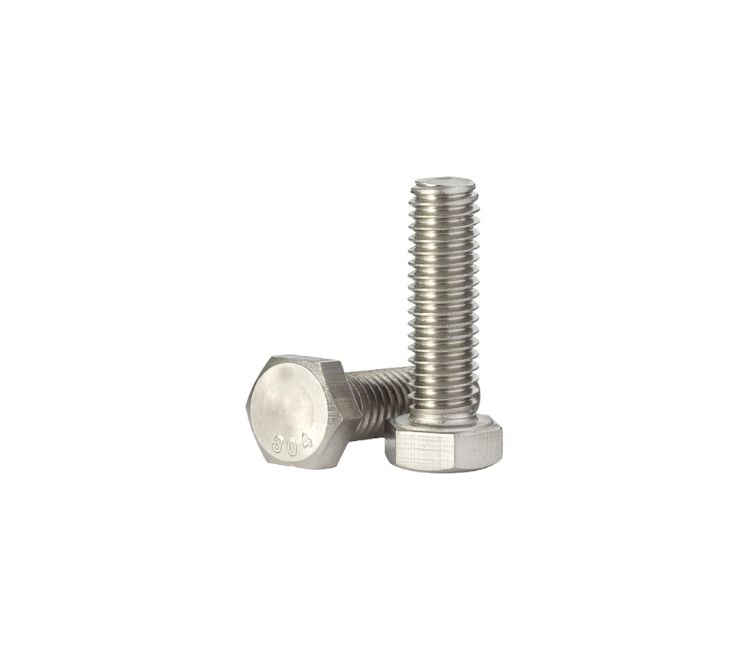
₹40 - ₹141
Min. order: 100 piece
Hex Bolts Manufacturer & Supplier | Stainless Steel, Carbon Steel & Alloy Steel | Ananka Group
2 yrs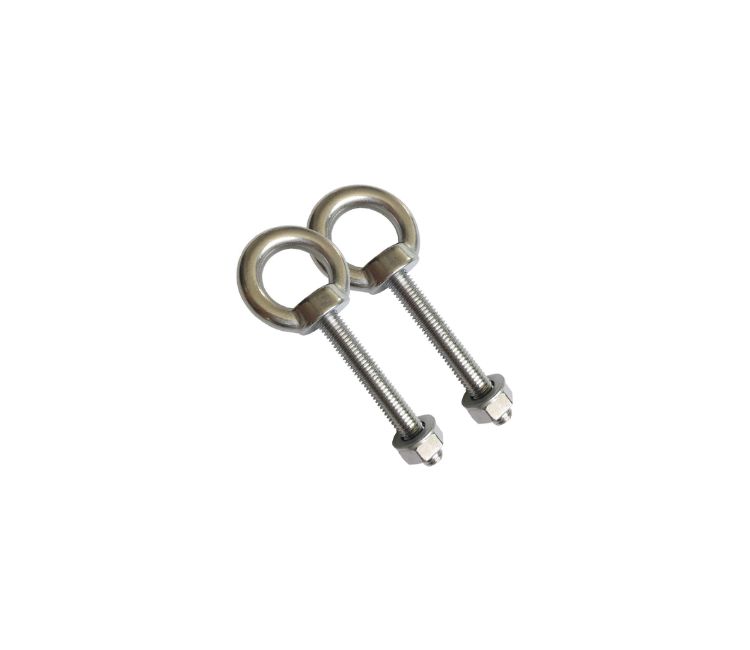
₹76 - ₹144
Min. order: 101 piece
Eye Bolts Manufacturer & Supplier | Stainless Steel 304, Stainless Steel 316 | Ananka Group
2 yrs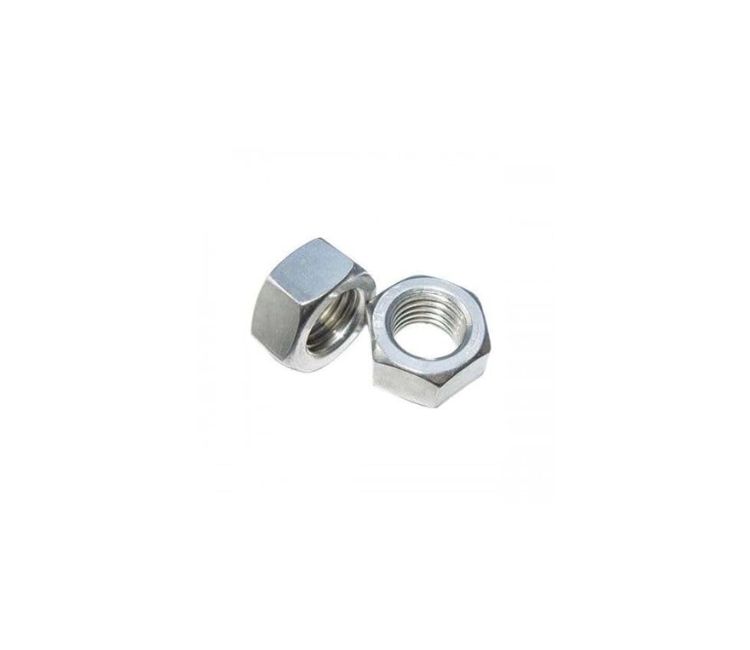
₹29 - ₹137
Min. order: 150 piece
Hex Nut Manufacturer & Supplier | Stainless Steel 304/316 | Ananka Group
2 yrs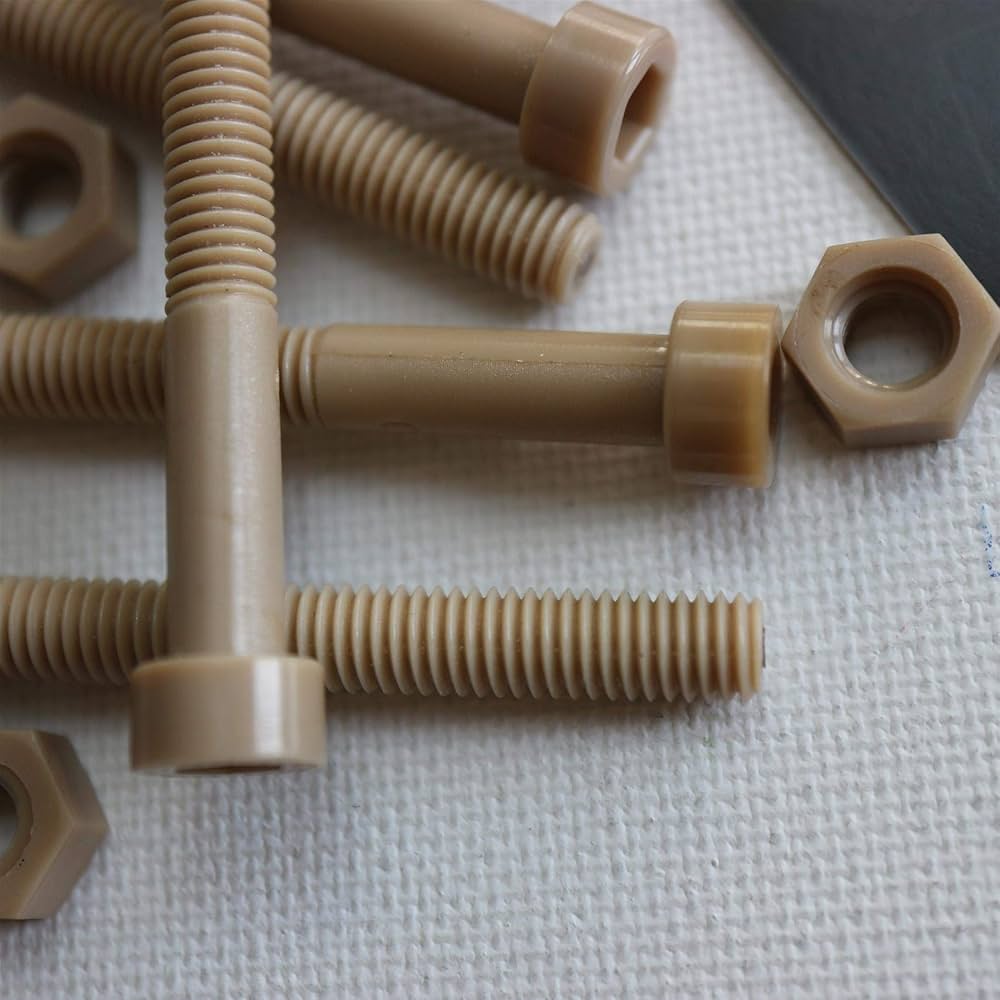
₹79 - ₹173
Min. order: 100 Items
Peek Nut Bolts Manufacturer & Supplier | Peek Grade | Ananka Group
2 yrs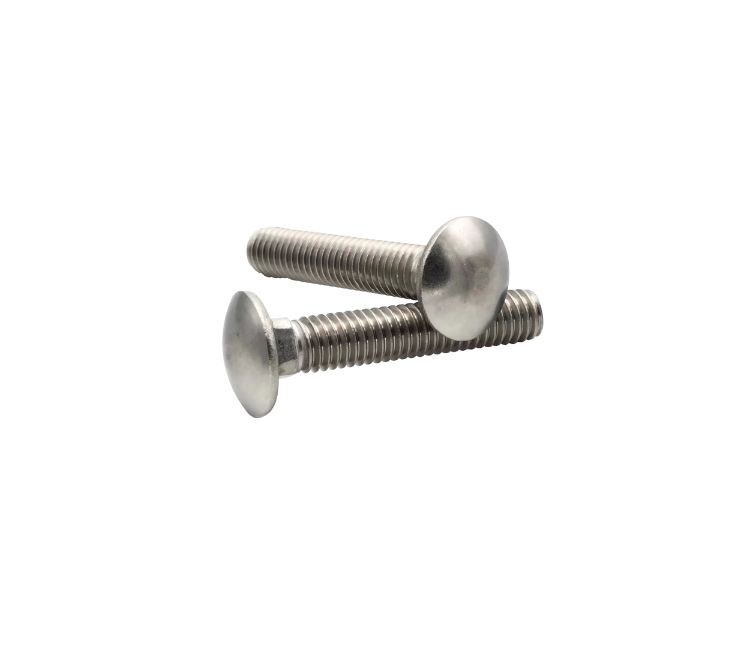
₹114 - ₹159
Min. order: 100 piece
Carriage Bolts Manufacturer & Supplier | Stainless Steel 304, Stainless Steel 316 | Ananka Group
2 yrs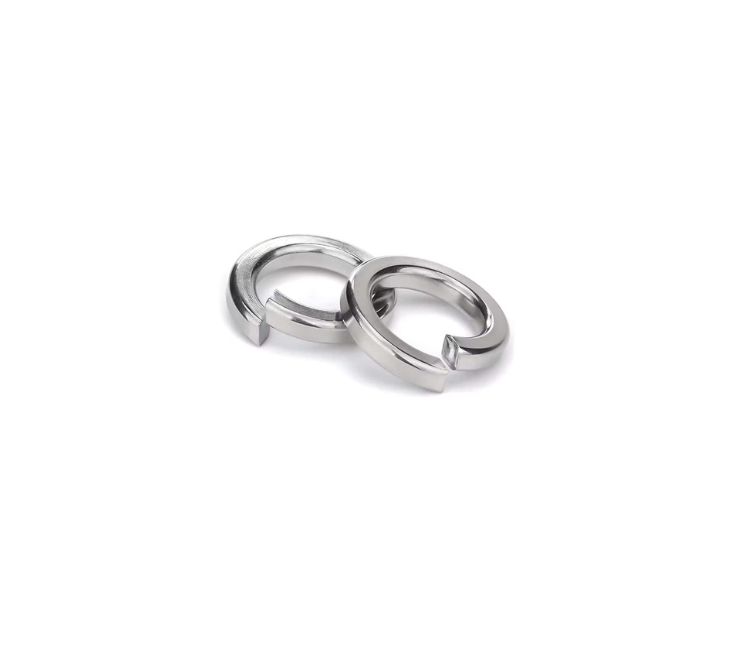
₹55 - ₹96
Min. order: 100 piece
Spring Washers Manufacturer & Supplier | Stainless Steel 304 & 316 | Ananka Group
2 yrs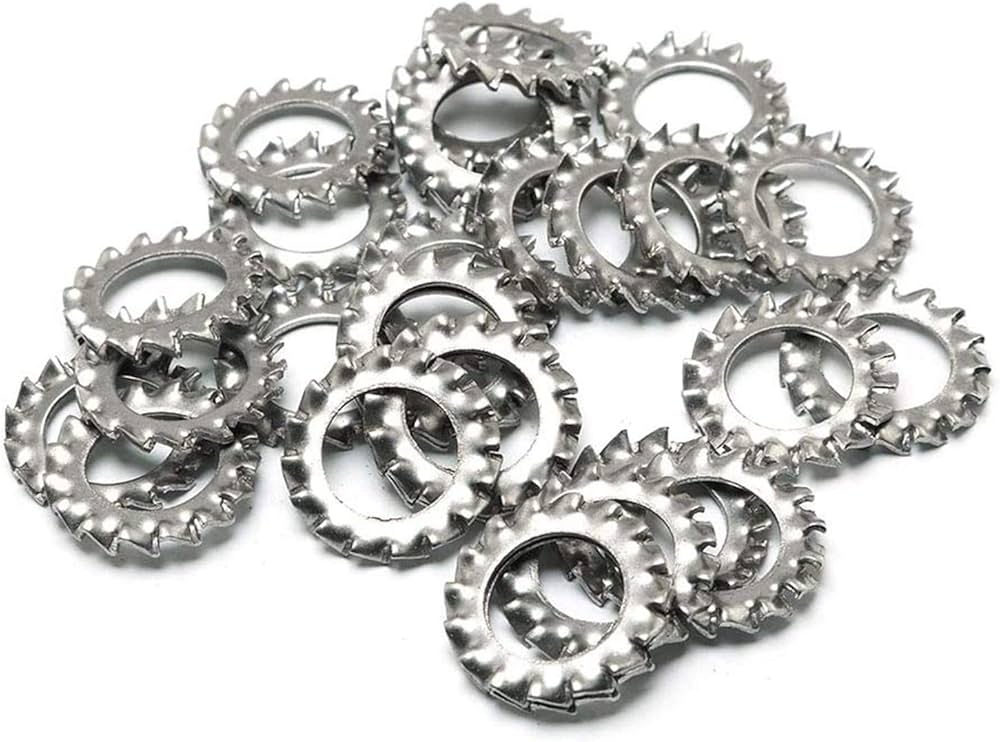
₹83 - ₹164
Min. order: 100 piece
External Star Washers Manufacturer & Supplier | Stainless Steel Grade | Ananka Group
2 yrs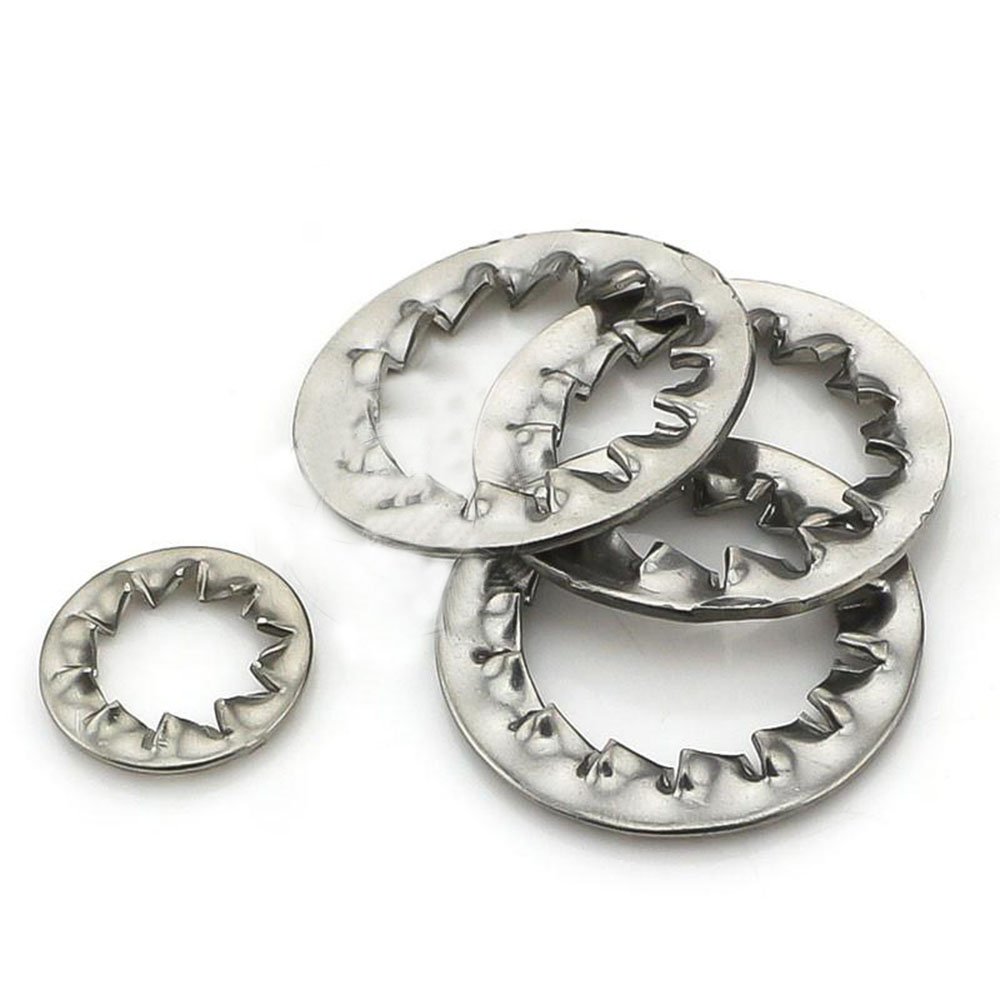
₹73 - ₹164
Min. order: 100 Items
Internal Star Washers Manufacturer & Supplier | Stainless Steel 304 Grade | Ananka Group
2 yrs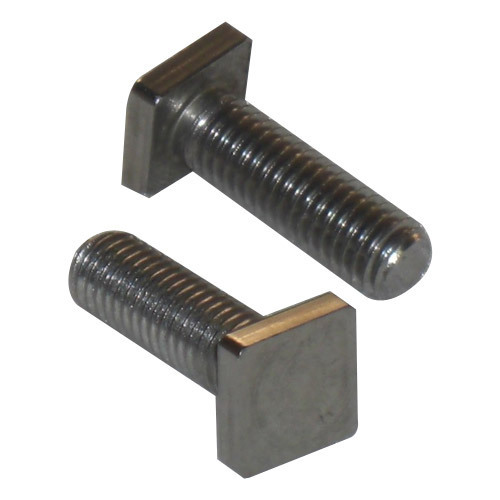
₹53 - ₹174
Min. order: 150 piece
Square Bolts Manufacturer & Supplier | Stainless Steel Grades | Caliber Enterprise
2 yrsfasteners manufacturer supplier dealer exporter
Choosing the right
This guide shows what to expect from a partner in the
What a fasteners manufacturer supplier dealer exporter should deliver
A true end-to-end
- Manufacturer: controls
fastener production , process checks, materials, and inspection. - Supplier: keeps stock, lead times, packing, and repeat supply in order.
- Dealer: offers ready stock, mixed lots, local service, and smaller MOQs.
- Exporter: handles compliance and fastener export documentation requirements for cross-border shipments.
The best partners also give
Core types of industrial fasteners
An industrial fastener types guide starts with load and service conditions. Common families are:
- Bolts and screws, such as socket head, hex head, flange, and machine screws
- Nuts, such as hex, nyloc, prevailing torque, and flange
- Washers, such as plain, spring, serrated, and structural
- Studs and threaded rods
- Rivets
- Pins and keys
- Anchors, both mechanical and chemical
A buyer may also work with a
Fastener standards: ISO, DIN, ASTM
Most buying errors start when specs are close enough. They are not. Match drawings and purchase orders to ISO DIN ASTM fastener standards based on use, region, and test needs.
Common standard groups
- ISO / DIN: common in metric work and many global industries
- ASTM: common in North America for structural and material specs
When you source parts, ask for:
- Standard reference
- Grade or property class
- Material and heat treat
- Coating or finish
- Test plan or inspection plan
Metric vs imperial fastener sizing
Mix-ups between metric vs imperial fastener sizing cause damage, scrap, and field failure. Use a tight receiving check:
- Verify thread pitch for metric parts and threads per inch for imperial parts
- Check wrench size and head size
- Use go/no-go gauges for quick sorting
Tip: if your shop uses both systems, color-code bins and keep them apart, especially for stainless and plated parts.
Fastener material selection
Material choice is where
Stainless steel fasteners and corrosion resistance
For many outdoor and wet jobs, stainless steel fasteners corrosion resistance matters more than top strength.
- 304 (A2): good general corrosion resistance
- 316 (A4): better for salt, wet areas, and harsh use
If you need the best fasteners for marine environments, 316 stainless is often the first pick. Still check crevice corrosion, dissimilar metal contact, and torque. Stainless can gall, so use the right lube and matching nut.
Duplex fasteners for hard jobs
A
How to choose bolt grade
Knowing how to choose bolt grade means matching strength to load and safety factor without overpaying.
Use this checklist:
- Clamp load and joint design
- Service temperature and relaxation risk
- Dynamic loading and fatigue
- Corrosion risk and coating effect
- Installation method, torque-controlled or tension-controlled
High tensile bolt applications
High tensile bolt applications often include:
- Structural steel joints
- Heavy machine frames
- Pressure parts, where the design code allows
- Automotive and industrial subassemblies
Always confirm the nut grade matches the bolt grade.
Manufacturer vs supplier vs distributor
Many buyers mix up fastener suppliers vs distributors. The difference is simple:
Fastener supplier
A
- Grouping lots
- Availability
- Pricing
- Packing and kitting
Fastener distributor
A
- Stock across many SKUs
- Local delivery and repeat fill
- Vendor-managed inventory
- Technical cross-reference and swaps
If your project changes a lot, a distributor can cut downtime. If you need tight control of metal, process, and process papers, direct factory control matters more.
Custom fasteners : from idea to tracking
When you need
- Design for manufacturability
- Material and heat treat choice
- Tooling, dies, and process route
- Prototypes and sample plan
- Dimensional reports and capability targets
Custom fastener manufacturing process
A typical custom fastener manufacturing process may include:
- Raw material check
- Cold forge or hot forge, or machining for low volume
- Thread roll or cut
- Heat treat, if needed
- Surface finish or coat
- Sort, inspect, and pack
- Lot tracking and document release
If the supplier cannot explain the route, you are buying risk.
Fastener quality control and certification
Fastener quality control needs clear tests. Ask for fastener quality control testing methods like:
- Dimensional inspection
- Hardness testing
- Tensile or proof load testing
- Wedge tensile
- Coating thickness and adhesion
- Salt spray testing
- PMI for stainless and alloy checks
- Microstructure checks when heat treat is critical
How to verify fastener certification
If you want to know how to verify fastener certification, use three steps:
- Check docs: MTC/CMTR, inspection cert, coating certs
- Match heat and lot numbers on packs to papers
- Check samples at the incoming dock with gauges and PMI for critical stainless or alloy parts
A good exporter should also support lot tracking through packing lists and labels.
Counterfeit fasteners: simple checks
Counterfeit fasteners can slip in when price pressure is high and checks are weak. Use counterfeit fasteners identification tips:
- Be wary of too-good-to-be-true lead times on rare grades
- Check head marks against the standard and grade
- Compare weight across samples
- Demand lot tracking and steady packing and labeling
- Use PMI for stainless, duplex, and alloy steels in critical service
If the supplier resists tests or documents, treat it as a red flag.
Bulk fasteners : cost control and uptime
Buying
Use this bulk fastener procurement checklist:
- Set annual or quarter demand and safety stock
- Standardize SKUs where you can
- Confirm packing: count accuracy, moisture control, labeling
- Set allowed swaps, or ban them
- Keep lot tracking for critical builds
- Agree on inspection level and rejection handling
- Plan buffer stock for imported and exported lanes
For assembly work, ask about kitting, barcoding, and VMI to improve throughput.
Export readiness
A capable
- Commercial invoice and packing list with lot-wise detail
- Country of origin and HS code match
- Certificates such as MTC/CMTR, conformity, and coating or test reports
- Marking, labeling, and palleting
- Customer-specific notes, such as release papers or third-party inspection
Tip: use the same document template each time and review it before shipment to avoid customs holds.
Regional sourcing notes
Some buyers search by region for local capacity or stock. For example:
automobile fasteners manufacturer in faridabad often ties to tiered auto supply and fast turn timescertified fasteners manufacturer company in ludhiana often points to traceable output, test papers, and broad industrial supply
If you source anywhere, look past the city name. Check standards, tests, lot tracking, and output quality.
Practical selection scorecard
When you compare vendors, score them on:
- Standards knowledge: ISO, DIN, ASTM, and correct grade match
- Material range: stainless, duplex, alloy steels, coatings
- QC strength: clear tests and shared reports
- Tracking: heat and lot control from raw material to shipment
- Capacity: stable lead times for repeat orders
- Custom work: DFM input and sample control
- Docs: export readiness and response time
- Ethics and risk: strong controls against counterfeit supply
If you need one source for daily replenishment and engineered parts, look for a partner that can act as a
Takeaway
A strong
If you want, share your use case, and I can turn it into a short spec checklist for any
Q&A
Question: What is the main difference between a fastener manufacturer, supplier, dealer, and exporter?
Short answer: A manufacturer controls production, materials, process, and inspection. A supplier focuses on stock, refill, packing, and price. A dealer keeps ready stock and local help. An exporter handles cross-border docs, labels, and shipping.
Question: Why is lot tracking so important when buying
Short answer: Lot tracking links each fastener batch to raw material, heat treat, test records, coating papers, and shipment docs. That matters because fasteners can look fine and still have the wrong material, grade, coat, or strength. Heat and lot numbers, MTC/CMTR papers, inspection reports, and incoming checks cut the risk of failure and fraud.
Question: How should buyers choose between 304, 316, and duplex stainless fasteners?
Short answer: Choose by service condition, not strength alone. 304 stainless works for many general jobs. 316 stainless is better for salt, wet, and marine use. Duplex stainless can fit harsher offshore or chemical jobs where higher strength and better corrosion resistance are needed. Also check galvanic corrosion, crevice corrosion, galling, and install torque.
Question: What should be in a purchase spec for fasteners?
Short answer: List the ISO, DIN, or ASTM standard, grade or property class, material and heat treat, coating or finish, size and thread details, test needs, certification papers, packaging and labeling, and tracking needs. For critical use, also say if swaps are allowed and if PMI, proof load, tensile, hardness, salt spray, or other tests are required.
Question: Is buying
Short answer: No. Lower unit cost is only one benefit. Bulk fastener buying should also keep production running, cut line stops, stop mixed lots, reduce SKU count, improve packing accuracy, support safety stock, and protect tracking. For assembly work, kitting, barcoding, vendor-managed inventory, and clear rejection handling can be as valuable as price.