View By:

₹90 - ₹271
Min. order: 90 piece
Gasket Manufacturer & Supplier | Asme B16.20 & Asme B16.21 | Gasco Inc
 2 yrs
2 yrs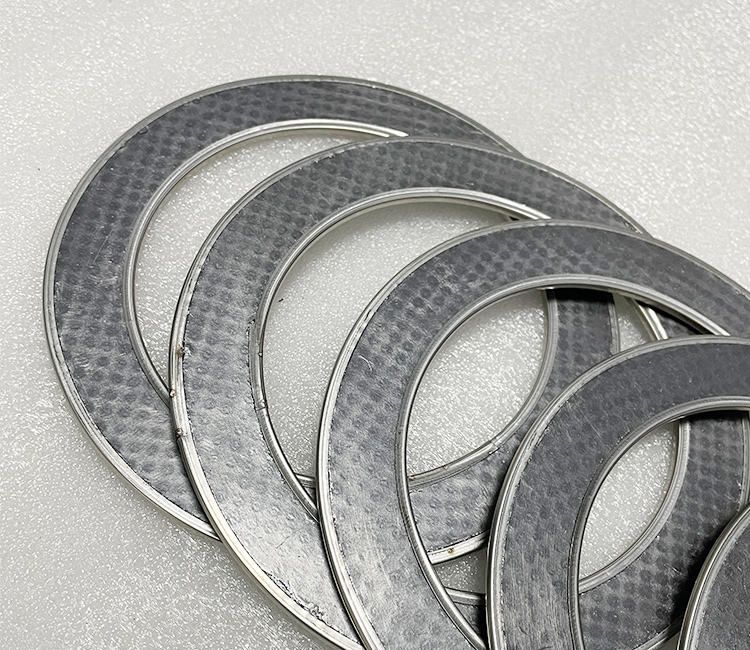
₹76 - ₹171
Min. order: 150 Items
Tanged Graphite Gaskets Manufacturer & Supplier | Reinforced Graphite Gaskets | Gasco Inc
2 yrs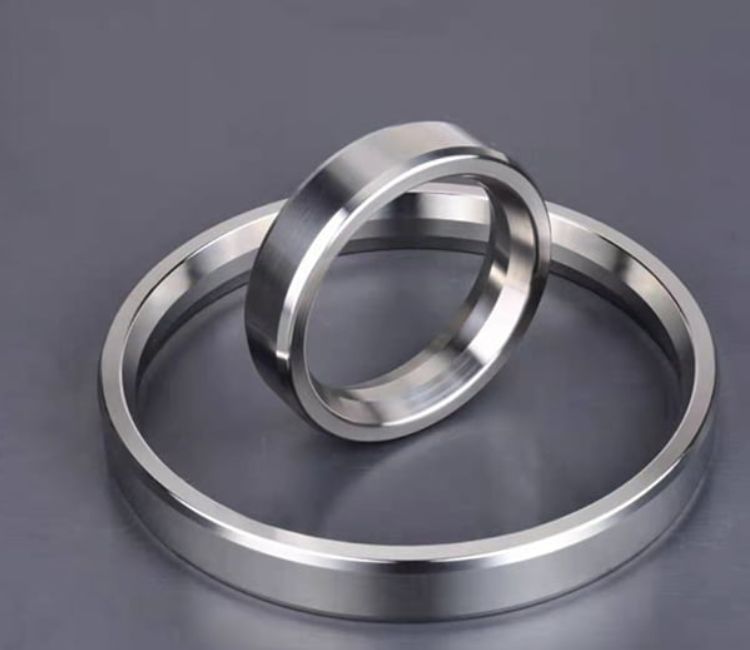
₹82 - ₹242
Min. order: 250 piece
Ring Joint Gasket Manufacturer & Supplier | R, Rx & Bx Type Rtj Gaskets | Gasco Inc
2 yrs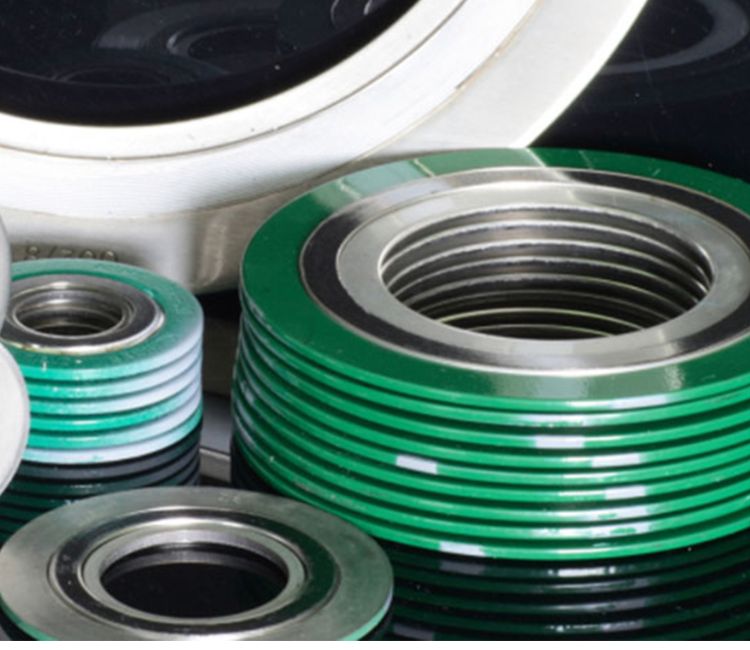
₹127 - ₹210
Min. order: 120 piece
Spiral Wound Gasket Manufacturer & Supplier | Industrial Sealing Gaskets | Gasco Inc
2 yrs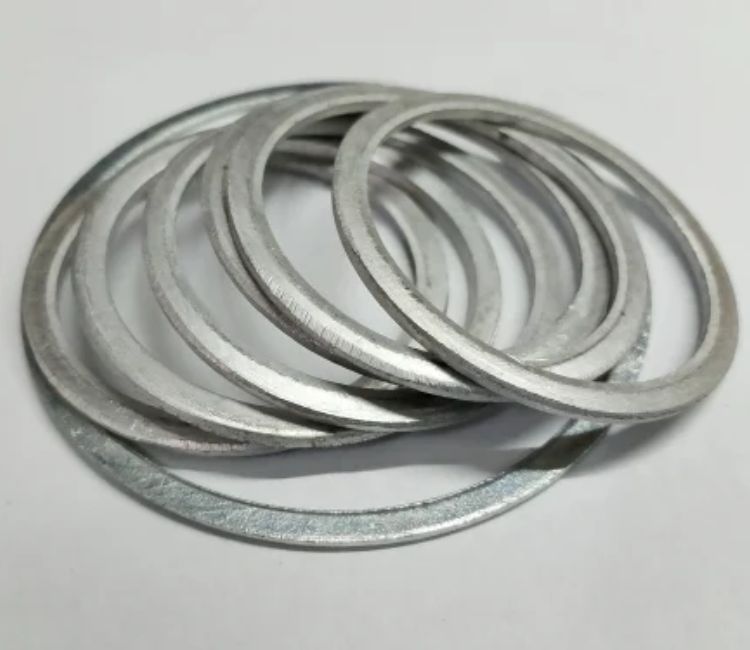
₹136 - ₹266
Min. order: 200 piece
Aluminum Gasket Manufacturer & Supplier | Industrial Flange Sealing Gaskets | Gasco Inc
2 yrs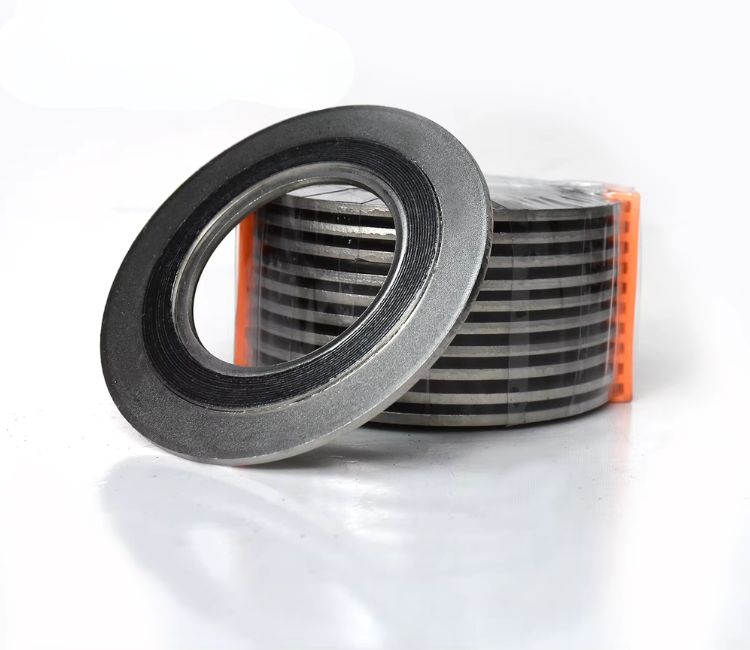
₹29 - ₹138
Min. order: 250 Items
Carbon Steel Gaskets Manufacturer & Supplier | Carbon Steel | Gasco Inc
2 yrs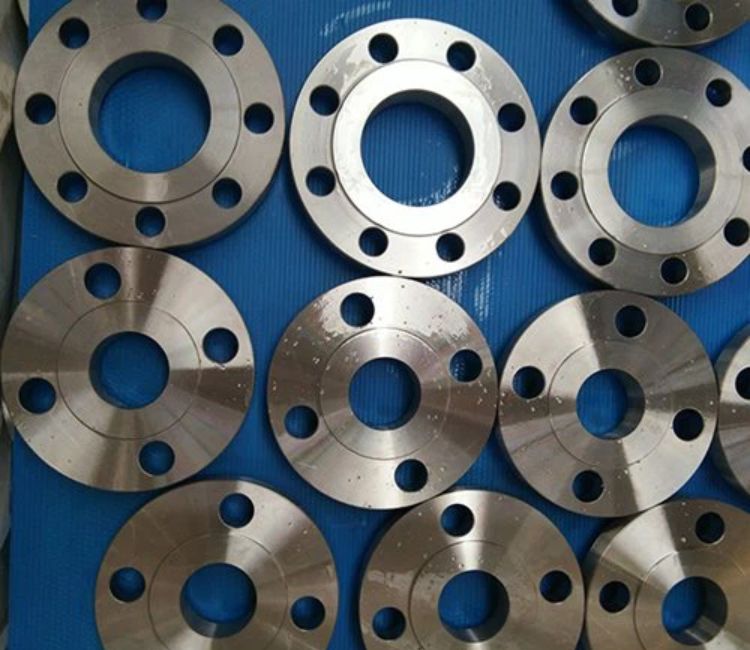
₹118 - ₹232
Min. order: 120 piece
Raised Face Flange Gasket Manufacturer & Supplier | Industrial Flange Gaskets | Gasco Inc
2 yrs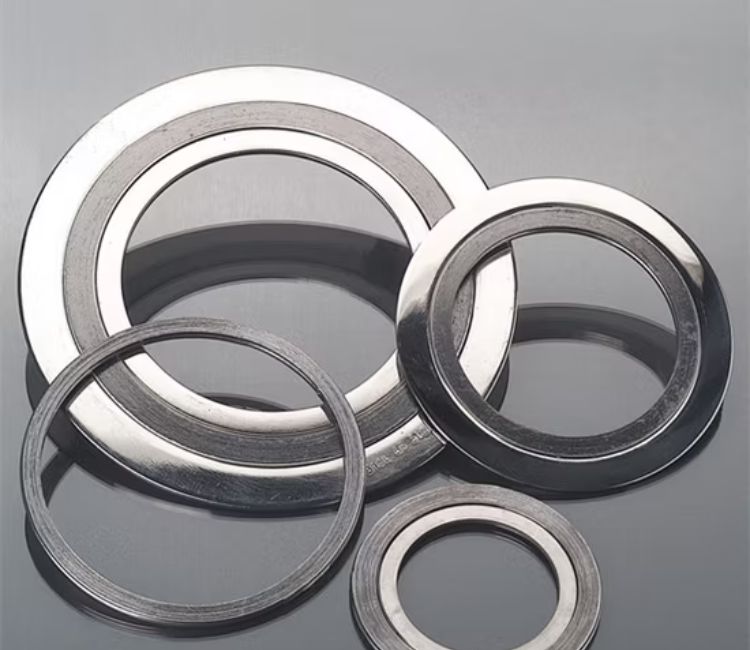
₹76 - ₹142
Min. order: 350 Items
Stainless Steel Gaskets Manufacturer & Supplier | Ss 304, 316 & 321 Gaskets | Gascoinc
2 yrs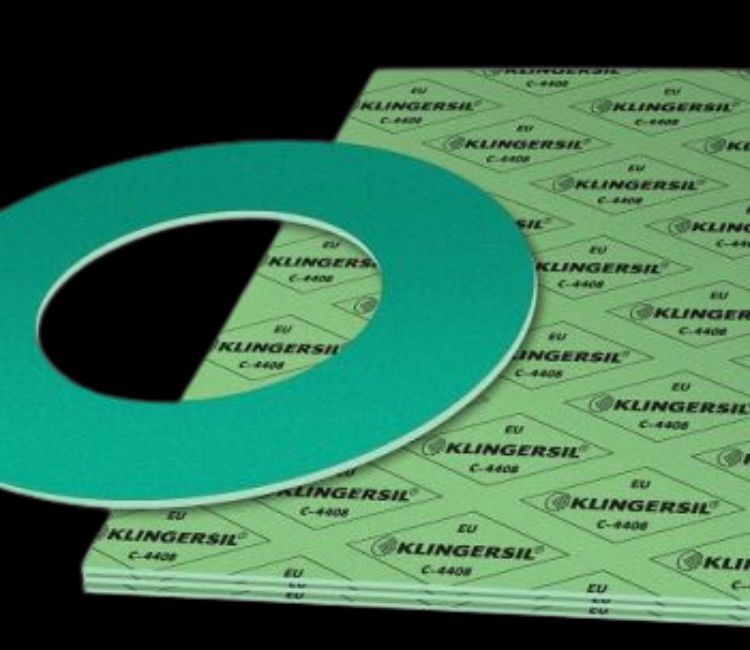
₹79 - ₹177
Min. order: 350 piece
Cnaf Gaskets Manufacturer & Supplier | Premium Grade Sealing Gaskets | Gasco Inc
2 yrs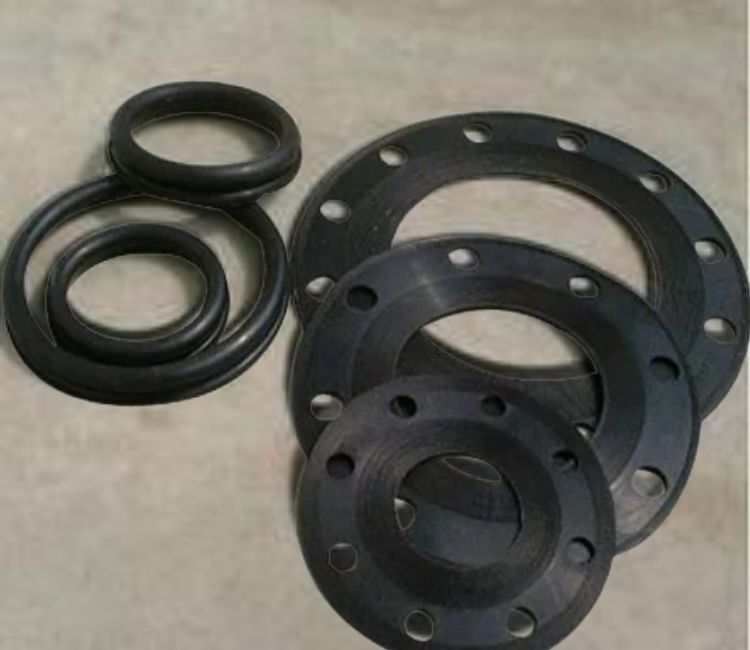
₹136 - ₹255
Min. order: 250 piece
Premium Rubber Gaskets Manufacturer & Supplier | Durable Sealing Products | Gasco Inc
2 yrs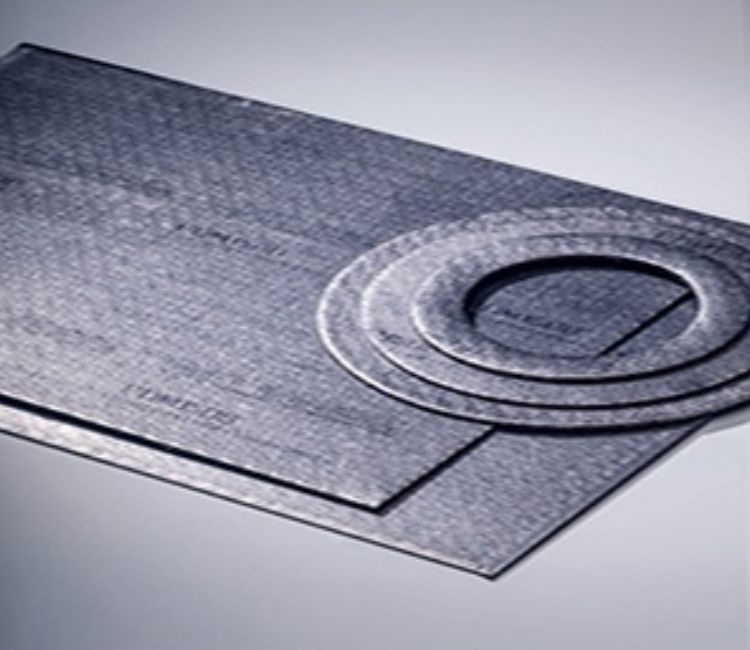
₹37 - ₹170
Min. order: 120 unit
Industrial Graphite Gaskets Manufacturer & Supplier | Premium Graphite Gaskets | Gasco Inc
2 yrs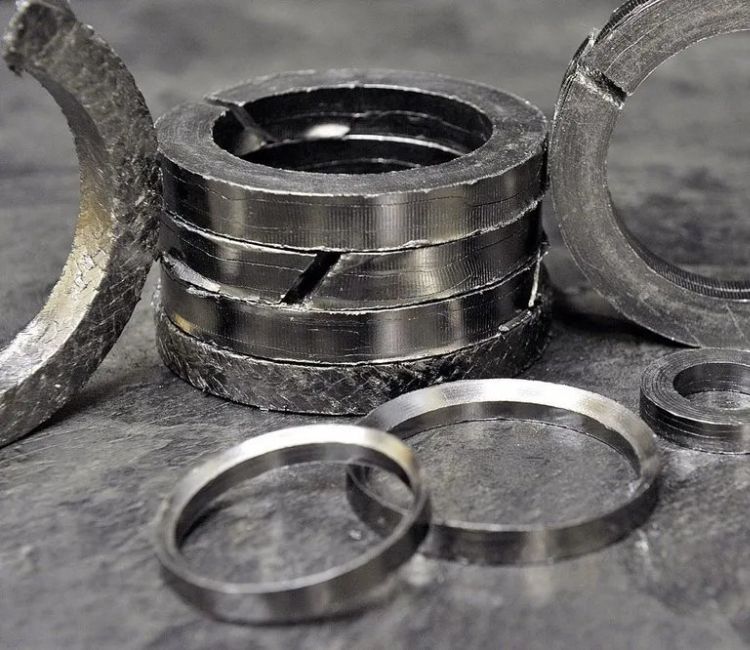
₹76 - ₹171
Min. order: 50 piece
Graphoil Ring Gaskets Manufacturer & Supplier | Advanced Ring Gasket Solutions | Gasco Inc
2 yrsChoosing the right partner for sealing parts can make or break uptime, safety, and total cost of ownership. Whether you’re sourcing for OEM production, MRO replacements, or export-driven projects, working with a
What a “gaskets manufacturer supplier dealer exporter ” really means (and why it matters)
A full-service
Manufacturer of gaskets : Produces parts in-house (cutting, forming, molding, lamination, inspection).Gasket supplier / industrial gasket suppliers: Stocks standard sizes and materials for quick delivery.- Dealer: Sources branded or specialty items (e.g., premium sheet goods, spiral wound brands) and provides local fulfillment.
- Exporter: Handles international packaging, compliance, and gasket export documentation requirements.
Why this matters: when one partner can provide
Where gaskets fail in the real world: common leakage causes
Even robust leak prevention sealing systems can fail if selection or installation is off. The most frequent issues include:
- Wrong gasket material selection guide assumptions (chemical attack, thermal cycling, compression set)
- Incorrect bolt load or flange finish for the chosen material
- Misread specs (e.g., not verifying spiral wound gasket specifications or facing type)
- Dimensional variation in “standard” parts and uncontrolled tolerances
- Mixed batches from multiple sources without traceability
- Poor storage (UV, ozone, heat) for elastomers
Actionable takeaway: treat gasket procurement like a mini-engineering project—define service conditions, verify standards, and validate supplier capability.
Gasket types and applications: a practical overview
Understanding
Soft (compressible) gaskets
Common for moderate pressure and temperature, especially where flange surfaces are imperfect.
- Rubber sheets and compounds (EPDM, NBR, Neoprene)
- Cork-rubber blends
- PTFE sheet (virgin or filled)
- Non-asbestos fiber sheet
Typical uses: water lines, HVAC, general industrial equipment, low-to-medium pressure piping.
Semi-metallic gaskets
Best for higher pressure and temperature ranges with proper flange design and bolt load.
- Spiral wound (with inner/outer rings)
- Kammprofile (serrated metal core with soft facing)
- Metal-jacketed
Typical uses: oil & gas, refineries, steam, chemical processing, high-integrity piping.
Metallic gaskets
For extreme pressure/temperature when flanges and bolting support the load.
- Ring-type joints (RTJ)
- Solid metal gaskets (copper, stainless, etc.)
Typical uses: high-pressure valves, critical flanges, severe thermal environments.
Foam and adhesive gaskets (die-cut / kiss-cut)
Great for dust, splash resistance, cushioning, and EMI/shielding assemblies.
- Polyethylene foam, polyurethane foam, silicone sponge
- PSA-backed die-cuts
- Precision
gasket fabrication for electronics and enclosures
Typical uses: appliances, electronics, LED lighting, telecom enclosures, automotive interiors.
This is where a
Rubber gasket vs silicone gasket: how to choose
Many buyers ask about rubber gasket vs silicone gasket because both are common and cost-sensitive.
Rubber gaskets (general category)
A
- Strong abrasion resistance (compound-dependent)
- Good sealing at lower bolt loads
- Cost-effective in many sizes
Potential limits:
- Some rubbers degrade under high heat, ozone, UV, or aggressive chemicals
- Compression set varies widely by compound and quality
Silicone gaskets
Often used for temperature extremes and clean environments.
Advantages:
- Excellent temperature stability compared to many rubbers
- Better UV/ozone resistance
- Food/medical grades available (verify compliance)
Potential limits:
- Lower tear strength than some rubbers
- Not universally compatible with fuels/oils (confirm)
Practical tip: don’t compare “rubber” to silicone as a single decision—compare silicone to a specific rubber compound (EPDM vs silicone, NBR vs silicone, etc.). A
PTFE gasket chemical compatibility and high temperature sealing solutions
If your system involves aggressive chemicals, solvents, or high-purity media, PTFE gasket chemical compatibility becomes a primary driver.
PTFE (and filled PTFE)
Strengths:
- Broad chemical resistance
- Low friction and non-stick behavior
- Suitable for many corrosive services
Considerations:
- Cold flow / creep under sustained load can reduce bolt load over time
- Filled PTFE grades can improve creep resistance—verify filler suitability for your media
High temperature sealing solutions
When temperature rises, you’re balancing oxidation resistance, relaxation, flange movement, and load retention.
Common approaches include:
- Spiral wound or kammprofile in steam/hot oil service
- Graphite facings where compatible
- Specialized elastomers for moderate heat (e.g., silicone, FKM/Viton where appropriate)
A capable
Spiral wound gasket specifications: what to verify before ordering
Because spiral wound gaskets are frequently used in critical piping, confirm spiral wound gasket specifications with discipline. Key points:
- Standard/Dimensional series: ASME B16.20 or EN 1514 (as applicable)
- Winding material: stainless grades, alloys (316, 321, Monel, Inconel, etc.)
- Filler: graphite, PTFE, or other (match temperature and media)
- Inner ring / outer ring: required by service class and flange type
- Pressure class: ensure correct class rating alignment with the flange
- Markings and traceability: heat numbers, lot control, and labeling
Ordering tip: specify flange type (raised face vs tongue-and-groove), nominal pipe size, class, standard, winding/filler materials, ring materials, and whether you require test certificates.
Gasket standards ASME EN: staying compliant across regions
Many buyers operate globally. Clarify gasket standards ASME EN early to avoid mismatched dimensions.
Common references include:
- ASME (often used in North America): e.g., ASME B16.20 for metallic and semi-metallic gaskets
- EN (often used in Europe): EN gasket dimensions and flange standards vary by series
If your project spans regions, ask your
Gasket materials : a field-ready selection checklist
Choosing correctly is easier when you standardize data capture. Use this mini gasket material selection guide:
- Media: chemicals, oils, solvents, steam, gases; concentration and contamination
- Temperature: continuous and peak; warm-up/cool-down frequency
- Pressure: operating and design; vacuum considerations
- Flange: standard, facing finish, flatness, flange type, available bolt load
- Movement: vibration, thermal cycling, misalignment, joint relaxation
- Compliance: food contact, potable water, fire safe, low emission, etc.
- Lifecycle goals: desired maintenance interval and acceptable leak rate
This is how to choose gasket performance confidently—turn conditions into an engineering-based selection rather than a best guess. (If you’re building internal SOPs, label this checklist as your “how to choose gasket” intake form.)
Custom gaskets , gasket design , and gasket fabrication : what “custom” should include
Custom isn’t only about shape. High-performing
What good gasket design looks like
Strong
- DFM guidance on minimum web widths, hole-to-edge distance, and tear risk
- Compression targets (deflection and recovery)
- Material callouts (hardness, density, compression set, flame rating if needed)
- Adhesive/liner selection for PSA-backed parts
- Drawings with tolerances, revision control, and inspection criteria
Common custom fabrication methods
Professional custom
- Die cutting (steel rule) for high-volume, cost-effective shapes
- CNC knife cutting for prototypes and short runs
- Waterjet for thicker or specialty materials
- Compression or injection molding (elastomer parts)
- Lamination and PSA application
- Clean cutting for cosmetic edges and reduced particulate
For foam parts specifically, choosing a
- Easy peel-and-stick application on the line
- Clean release liners
- Multi-up layouts to improve assembly speed
- Repeatable kiss-cut depth control for consistent peeling
A
Gasket services that reduce downtime (beyond simply selling parts)
The best
- Material recommendations with documented rationale (temperature/chemical/pressure)
- Rapid prototyping for fit-check and compression validation
- Inventory programs (Kanban, min-max stocking, blanket orders)
- Incoming inspection support: sample plans, certificates, and labeling
- Failure analysis assistance (compression set, extrusion, chemical degradation, flange imprint review)
- Packaging optimized for installation (kitting by machine, QR-coded labels)
In industrial settings, these service layers can matter as much as the part itself—especially for
Gasket supplier quality certifications: what to ask for (and why)
Not every application needs aerospace-level paperwork, but you should align documentation to risk. Typical
- ISO 9001 (baseline QMS expectation for many industries)
- Material traceability and lot control (especially for critical media)
- Certificate of Conformance (CoC) for each shipment when required
- Incoming material verification (thickness, density, hardness)
- Dimensional inspection reports for custom parts
- Change control and PPAP-style documentation for automotive-like programs (if applicable)
Procurement tip: if your supplier is both a manufacturer and exporter, ensure the certificate language matches the importing country’s expectations and your customer’s audit requirements.
Bulk gasket procurement options: pricing, lead times, and risk control
For plants and OEMs, bulk gasket procurement options can lower cost—but only if controlled. Options include:
- Blanket purchase orders with scheduled releases
- Consignment inventory for high-run items
- Standardization: reducing the number of
gasket materials and sizes where feasible - Approved alternates: pre-qualified substitutions to reduce line stoppage
- Dual sourcing for critical sizes (one primary, one backup)
Risk control checklist for bulk orders:
- Define acceptable tolerances and inspection AQL
- Require clear labeling (part number, revision, lot)
- Set packaging rules (flat pack to avoid deformation; UV protection for elastomers)
- Agree on shelf-life rules for sensitive materials/adhesives
Gasket export documentation requirements: shipping globally without delays
If you’re importing from a
- Commercial invoice with accurate HS codes and product descriptions
- Packing list with carton counts, weights, and dimensions
- Country of origin statement (when requested)
- Certificates (CoC, material declarations, test reports) as contractually required
- Shipping terms (Incoterms) aligned to who pays freight, insurance, duties
- Special packaging/marking for hazardous environments or customer rules (if applicable)
Practical tip: confirm the naming on invoice matches what customs expects (e.g., “industrial sealing gaskets” with material type) to reduce clearance questions.
Where to buy gaskets: how to pick the right channel
When people ask where to buy gaskets, the right answer depends on urgency, complexity, and compliance needs.
Buy from a manufacturer
Best when you need:
Custom gaskets - Better unit economics at volume
- Tight tolerances and controlled
gasket production - Engineering support and drawing control
Buy from industrial gasket suppliers (distributors)
Best when you need:
- Same-day shipping of standard sizes
- Brand-specific items
- Local support and broad catalog access
Buy from a dealer/exporter
Best when you need:
- Export-ready packaging and paperwork
- Multi-item consolidation
- Ongoing shipments to multiple sites/countries
In many cases, the strongest setup is a hybrid: direct for custom/high-volume items, distributor for emergency spares, and an exporter for consolidated global programs.
Shielding gaskets manufacturer : electronics and EMI/RFI sealing considerations
For electronics, enclosure integrity often includes EMI/RFI performance. A
- Conductive foams (with fabric-over-foam or metalized layers)
- Conductive elastomers (silicone-based with conductive fillers)
- Shielding fingerstock or hybrid sealing profiles
- PSA-backed options for fast assembly
Key selection factors:
- Required shielding effectiveness (dB) across frequency range
- Compression force limits (avoid warping thin housings)
- Environmental sealing needs (IP rating targets, dust/splash)
- Galvanic compatibility with enclosure metals
A supplier experienced in shielding can integrate sealing + conductivity without overloading the latch/fastener system.
Industrial gaskets : application examples and quick selection tips
Below are fast, practical pairings (always verify against your actual conditions):
- Water / mild chemicals: EPDM rubber sheet (watch temperature limits)
- Oils / fuels: NBR or specialty fluoroelastomers (confirm compatibility)
- Steam / high temperature piping: spiral wound or graphite-based solutions (verify flange and bolt load)
- Strong solvents / corrosives: PTFE-based gaskets (consider filled PTFE for creep resistance)
- Outdoor sealing: UV/ozone-resistant compounds like EPDM or silicone
- Electronics enclosures: foam die-cuts, PSA-backed parts, or shielding gaskets
These examples help narrow
A buyer’s checklist for selecting a gasket supplier (use this before RFQ)
When evaluating a
- Do they offer the relevant
gasket types (soft, semi-metallic, metallic, foam, shielding)? - Can they support custom
gasket fabrication services with prototypes and volume scaling? - Do they provide traceability and the
gasket supplier quality certifications you require? - Do they understand gasket standards ASME EN and can they cross-reference correctly?
- Can they advise on PTFE gasket chemical compatibility and high-temp options credibly?
- Do they have documented controls for
gasket production (inspection, change control, labeling)? - Can they handle bulk gasket procurement options (inventory programs, scheduled releases)?
- If international: do they routinely manage gasket export documentation requirements?
If a supplier struggles to answer these clearly, you’re likely to face delays, mismatches, or repeat failures.
Conclusion: get better sealing outcomes with the right partner and process
A reliable sealing program isn’t just about where to buy gaskets—it’s about choosing the right