View By:
₹80 - ₹165
Min. order: 100 piece
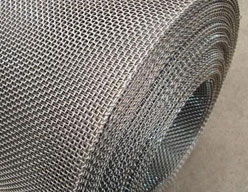
Stainless Steel Wire Mesh Manufacturer & Supplier | Stainless Steel 304 Grade | Bhansali Wire Mesh
 2 yrs
2 yrs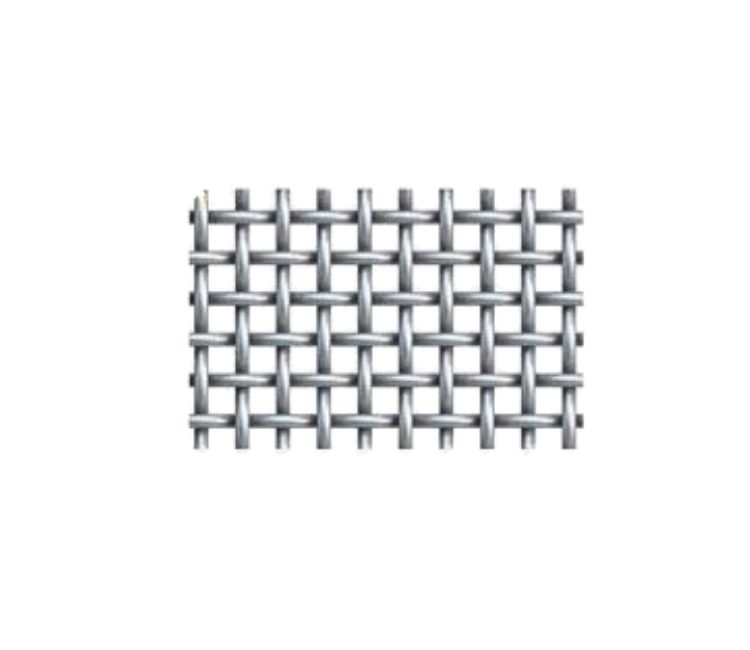
₹33 - ₹148
Min. order: 100 piece
Reliable Plain Weave Wire Mesh Manufacturer & Supplier | Ss 316l Material | Bhansali Wire Mesh
2 yrs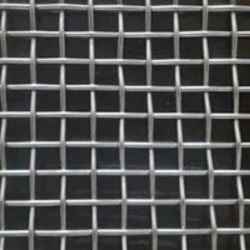
₹48 - ₹139
Min. order: 100 piece
Square Wire Mesh Manufacturer & Supplier | Ss 304, Ss 316 | Bhansali Wire Mesh
2 yrs
₹40 - ₹131
Min. order: 100 piece
Trusted Double Crimped Wire Mesh Manufacturer & Supplier | Ss 304 | Bhansali Wire Mesh
2 yrs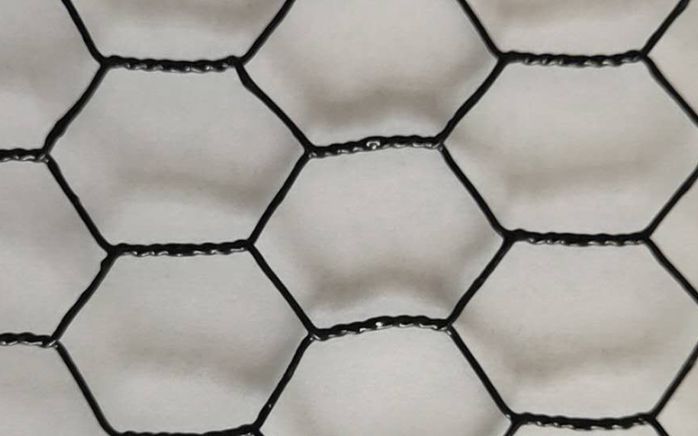
₹52 - ₹158
Min. order: 250 piece
Trusted Hexagonal Wire Mesh Manufacturer & Supplier | Ss 316 | Bhansali Wire Mesh
2 yrs
₹76 - ₹173
Min. order: 150 piece
Reliable Carbon Steel Wire Mesh Manufacturer & Supplier | Ss 304 | Bhansali Wire Mesh
2 yrs
₹40 - ₹158
Min. order: 350 piece
Premium Titanium Wire Mesh Manufacturer & Supplier | Titanium Grade 2 | Bhansali Wire Mesh
2 yrs
₹37 - ₹177
Min. order: 350 piece
Advanced Super Duplex Steel Wire Mesh Manufacturer & Supplier | Uns S32750 Grade | Bhansali Wire Mesh
2 yrs
₹46 - ₹167
Min. order: 350 piece
High Performance Duplex Steel Wire Mesh Manufacturer & Supplier | Duplex Steel Uns S31803/s32205 | Bhansali Wire Mesh
2 yrs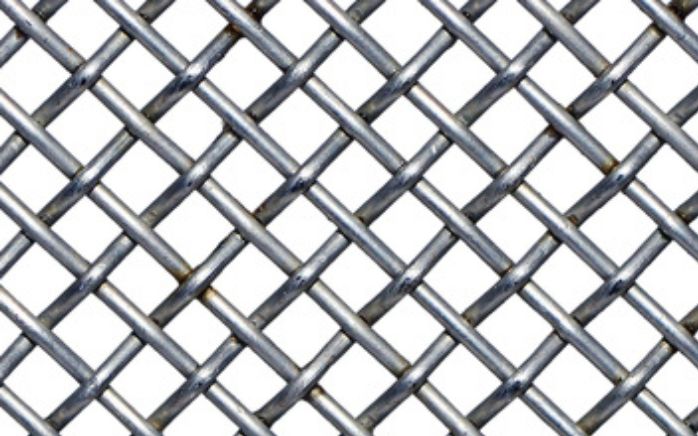
₹60 - ₹151
Min. order: 150 piece
Corrosion Resistant Welded Wire Mesh Manufacturer & Supplier | Ss 304 Material | Bhansali Wire Mesh
2 yrs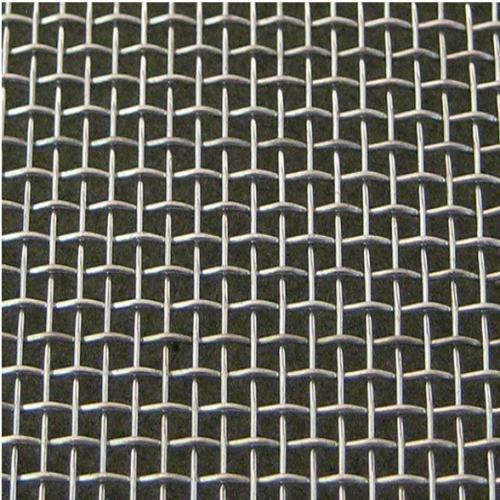
₹60 - ₹135
Min. order: 50 piece
Advanced Inconel Wire Mesh Manufacturer & Supplier | Nickel Alloy Grade | Bhansali Wire Mesh
2 yrs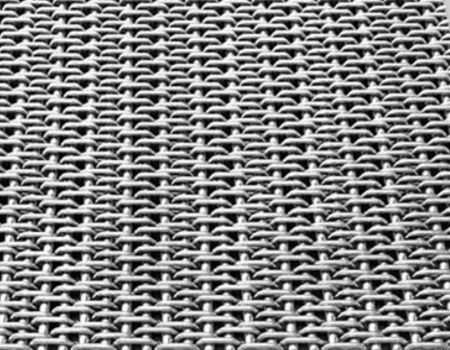
₹50 - ₹132
Min. order: 350 piece
High Integrity Dutch Wire Mesh Manufacturer & Supplier | Stainless Steel Grade | Bhansali Wire Mesh
2 yrsChoosing the right
What the Wire Mesh Manufacturer Supplier Dealer Exporter Role Covers
Many buyers search for a
- Manufacturer: makes wire, weaves or welds mesh, and controls size.
- Supplier: stocks common sizes and ships fast.
- Dealer: mixes brands and helps with local delivery.
- Exporter: packs, marks, and ships to export standards.
For long-term buying, choose an ISO certified mesh factory with in-house tests and steady process control.
Core Wire Mesh Products : What You Can Buy and Why It Matters
A good
1) Woven Wire Mesh (Precision + Filtration)
A
Common uses:
- Industrial mesh for filtration, such as air/liquid separation and sieving
- Screen printing and vibration screens
- Lab and process strainers
If you need
2) Welded Wire Mesh (Strength + Panels)
A
Common uses:
- Construction reinforcement and partitions
- Animal enclosures and security fencing
- Machine guards and rack backing
Here, mesh panel load-bearing capacity matters. Weld quality and wire size are key.
3) Specialty Materials: Stainless, Copper, Galvanized, and More
Material choice drives rust life, current flow, and cost:
Stainless steel wire mesh manufacturer options, often 304 or 316, for chemical resistance and food-grade use.Copper wire mesh manufacturer options for EMI shielding, battery work, and builds that need conductivity.- Galvanized steel for outdoor and construction jobs when budget matters.
When buyers ask for the best outdoor mesh material, the answer depends on exposure:
- Coastal or salt air: stainless, often 316.
- General outdoor fencing: hot-dip galvanized is common.
- Decorative use with corrosion resistance: stainless or coated mesh.
Welded Mesh vs Woven Mesh: A Practical Comparison
The choice between welded mesh vs woven mesh changes performance, fabrication, and price.
Choose welded wire mesh when you need:
- Rigidity and flatness for panels
- Better load behavior for guards and partitions
- Fast install and steady panel shape
Choose woven wire mesh when you need:
- Exact openings for filtration and sieving
- Smoother flow for screening
- More options in fine mesh counts and wire diameters
Both are
Wire Mesh Applications by Industry
A good
- Construction: reinforcement, plaster mesh, fencing, and debris control for a mesh supplier for construction
- Filtration and process: industrial mesh for filtration, strainers, and filter discs
- Food and pharma:
stainless steel mesh , cleaning, traceability - Mining and aggregates: screen decks and abrasion resistance
- Automotive and energy: protection screens, ventilation, and EMI shielding with copper
- Architecture: façade screens, partitions, and safety barriers
- Agriculture: enclosures, guards, and sorting screens
Filtration Focus: Stainless Steel Filter Mesh for Air, Liquid, and Solids
If you are sourcing an
- Air filtration: pressure drop, dust load, and pleat fit.
- Liquid filtration: micron rating, chemical resistance, and cleaning cycle.
- Solid screening: abrasion, impact, and throughput.
Key spec questions to ask:
- What is the target particle size or micron rating?
- Is it a single-layer mesh or a multi-layer laminate?
- What is the operating temperature and chemical exposure?
- Do you need certificates for composition, RoHS/REACH, or food contact?
For filtration, buyers often start with
How to Choose Mesh Gauge Without Overpaying
How to choose mesh gauge is one of the best ways to cut cost without hurting function. Gauge changes strength, open area, and weight.
Use this approach:
- Define the job: containment, filtration, guarding, reinforcement, or decoration.
- Set minimum strength: load, impact, and span length.
- Decide the open area you can accept: airflow or flow rate vs rigidity.
- Confirm the build method: welding vs weaving, plus cutting and edge finishing.
- Test a sample before full order.
Rule of thumb:
- Thicker wire, which often means a lower gauge number, adds strength but cuts open area.
- Fine wire increases open area and flow but can dent or bend.
Wire Mesh Size Chart Guide: What to Request in a Quote
A wire mesh size chart guide helps only if it matches how factories define mesh. When you ask for pricing, include:
- Mesh type:
welded wire mesh or woven - Material grade: stainless 304 or 316, copper, galvanized, and more
- Wire diameter: mm or inches
- Aperture/opening: clear opening size
- Pitch/spacing: center to center where needed
- Roll width and length: if you want to buy mesh rolls in the right pack size
- Sheet/panel size: if you want cut panels
- Tolerance requirements: critical for filtration and auto assembly
If you do not have a chart, ask the supplier for a standard table and mark the SKUs they stock.
Wire Mesh Fabrication : Turning Mesh into Ready-to-Install Parts
Beyond raw rolls, many buyers need
- Cutting, shearing, and slitting
- Framing, edging, and hemming
- Spot welding to frames and brackets
- Forming cylinders, cones, and baskets
- Punching and stamping filter discs
- Surface finishing, such as passivation for stainless or coating for steel
This is where
The Manufacturing Side: Machines, Welding, and Process Control
If you buy in high volume, check the factory equipment level. Some producers are also a
Ask about:
- Welding current and pressure control
- Inline straightening and leveling
- Weaving loom capacity for fine
stainless steel mesh - Inspection steps: visual checks, size checks, and weld pull tests
Pricing: What Really Drives Galvanized and Stainless Costs
Cheap mesh can cost more if it fails early or comes out of spec. Main pricing drivers include:
Galvanized mesh pricing factors
- Zinc coating type, such as electro-galvanized or hot-dip
- Coating thickness evenness
- Wire diameter and mesh opening
- Roll size, packing method, and MOQ
Stainless steel mesh suppliers cost drivers
- Grade, such as 304 vs 316, and wire drawing quality
- Weave complexity and fine mesh counts
- Flatness, cleaning, and passivation needs
- Certification and traceability papers
Always compare quotes on the same basis: material grade + wire diameter + opening + tolerance + finish + packaging.
Export Quality Mesh Standards: What a Real Exporter Provides
If you buy from abroad, choose a real exporter, not just a seller that ships once in a while. Export readiness includes:
- Compliance with export quality mesh standards
- Clear labels for rolls or sheets and heat or lot traceability
- Moisture protection and fumigation-ready pallets if needed
- Correct HS codes and invoice details
- Packing that prevents edge crush and coil telescoping
An ISO certified mesh factory is often better at quality records, inspection steps, and corrective action.
Bulk Mesh Order Minimum Quantity: How to Plan Procurement
Bulk mesh order minimum quantity varies by product:
- Stock items: low MOQ, sometimes one roll or sheet
- Custom aperture or wire diameter: higher MOQ because setup takes time
- Fabricated parts: MOQ depends on tooling and welding jigs
Tips to reduce MOQ pain:
- Match specs to standard inventory sizes when you can.
- Combine similar SKUs in one run.
- Ask for a staged delivery plan: make once, ship in batches.
Where to Buy Mesh Rolls and How to Qualify a Supplier Fast
If you ask where to buy mesh rolls, the best answer is: buy from a supplier that can prove consistency, not just stock.
Use this fast checklist to qualify any
- Can they share material certificates and test reports?
- Do they have steady lead times and repeatable tolerances?
- Can they provide samples from the same process you will receive?
- Do they offer
custom wire mesh and fabrication support? - Do they clearly explain welded mesh vs woven mesh tradeoffs?
- Do they have references for your field, such as construction, filtration, or OEM?
For construction buyers, choose a mesh supplier for construction that understands site handling, bundle labels, and quick replacement cycles.
Practical Selection Scenarios
Scenario A: Outdoor fence panels on a budget
- Likely choice:
welded wire mesh , galvanized - Key: rust protection, steady welds, and panel flatness
Scenario B: Chemical plant filtration for liquids
- Likely choice: woven
stainless steel mesh , often 316 - Key: micron rating, cleaning cycle life, and paperwork
Scenario C: EMI shielding enclosure
- Likely choice: copper mesh or fine stainless
- Key: conductivity and shielding, plus build fit
Takeaway: Your Best Results Come from Specification + Supplier Fit
A dependable
Focus on fit-for-use engineering: define the job, use a wire mesh size chart guide to set specs, check corrosion resistant mesh benefits for the environment, and confirm production capacity for steady quality.
If you want, share your application, environment, and target opening size, and I can outline an optimized spec and RFQ template for your next order.
Q&A
Question: What is the most important factor when choosing a
Short answer: Fit for the job. A good supplier should match the material, mesh type, gauge, build method, tolerances, and export needs to the real use case. For long-term or technical buying, an ISO certified mesh factory with in-house testing, docs, steady tolerances, and repeatable process control is usually the safer choice.
Question: Should I choose
Short answer: Choose
Question: Which wire mesh material is best for outdoor use?
Short answer: The best outdoor material depends on exposure. For coastal or salty places, stainless steel, often 316, is usually preferred because of its corrosion resistance. For general outdoor fencing or budget-sensitive construction, hot-dip galvanized steel is common. For decorative jobs that still need corrosion resistance, stainless or coated mesh may be a better fit.
Question: What information should I include in a wire mesh RFQ?
Short answer: A strong RFQ should include mesh type, material grade, wire diameter, aperture or opening size, pitch or spacing if needed, roll or panel size, tolerance requirements, finish, packaging, quantity, and any needed certificates. For filtration or auto assembly, tolerances, micron rating, chemical exposure, and docs should be very clear.
Question: How can I reduce wire mesh procurement cost without sacrificing performance?
Short answer: Start by defining the job and minimum performance needs, then avoid extra specs for wire diameter, material grade, or custom sizes when you do not need them. Matching standard inventory sizes, choosing the right gauge, combining similar SKUs in one run, and asking for samples before bulk ordering can reduce cost while protecting quality and performance.